
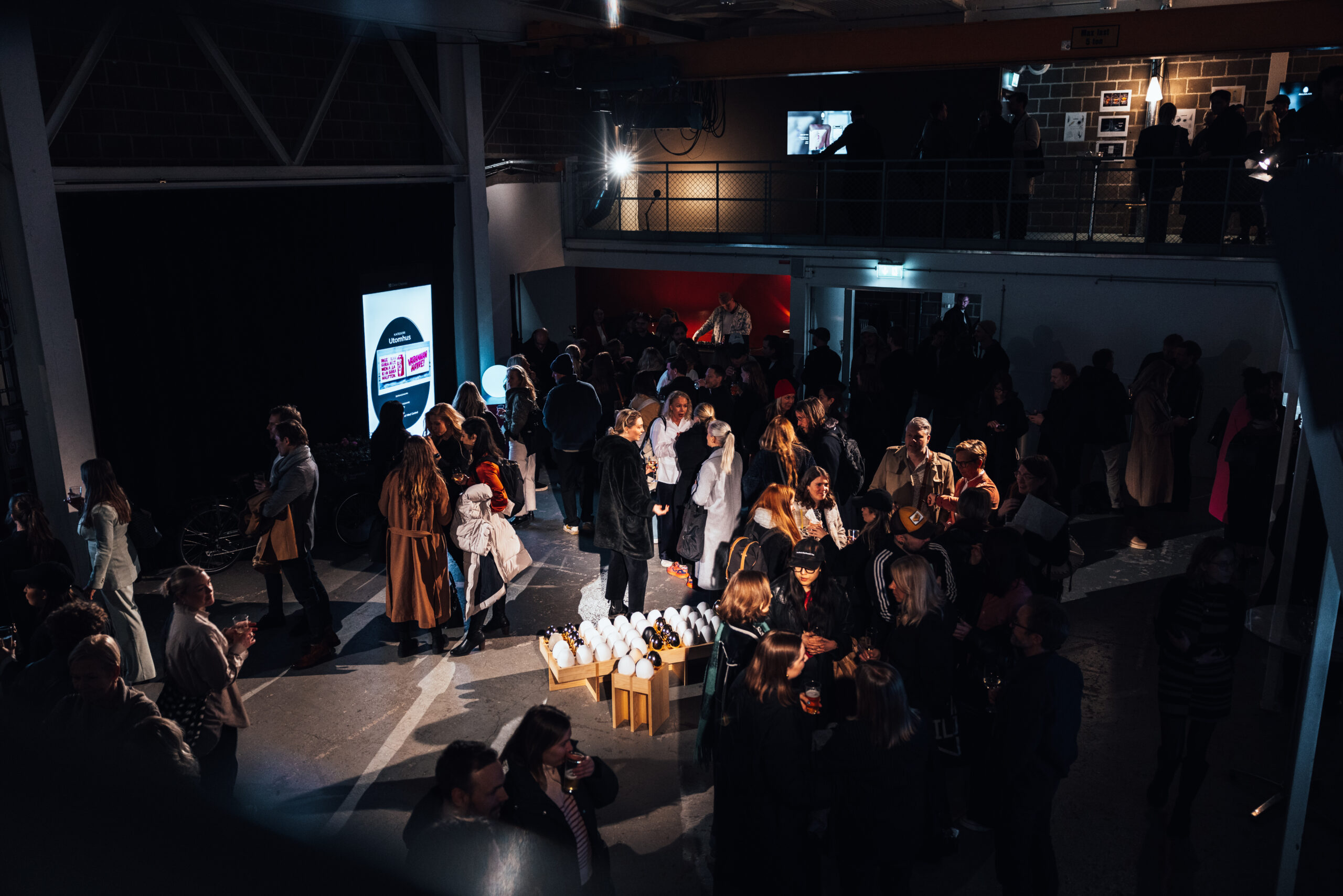
A greenhouse for entrepreneurs
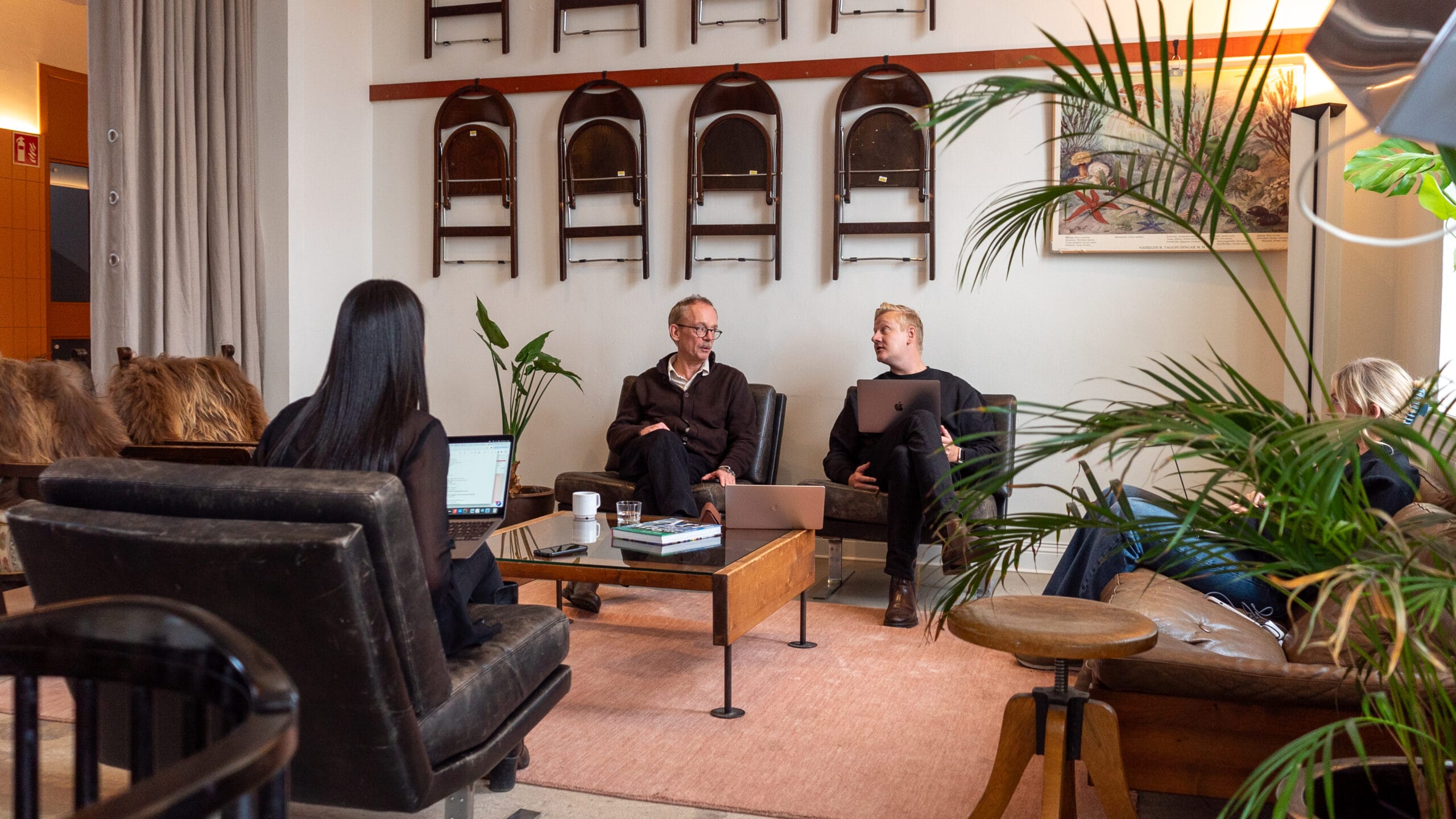
One of A House’s main missions is to encourage meetings. With everyday tools, ranging from a single shared coffee machine to membership activities, we promote and strengthen our community. Through new collaborations, businesses and freelancers get the best conditions to develop and grow.
From day one, our concrete building has caused a stir in Östermalm. It has always been a place for innovation, where ideas are both hatched and developed into finished products. When A House Ark moved in, we wanted to create a meeting place for creative companies to grow in, both for startups that were bubbling in the establishment phase and for full-grown scale-up companies.
Inbukators at A House Ark
Thanks to our members Sting and former members SSE Business Labs, we have been the place where several success stories were written. As incubators, they help companies and entrepreneurs with coaching, capital and networks. Sting has supported over 400 companies in tech, AI, climate and health, with both business support and a community.
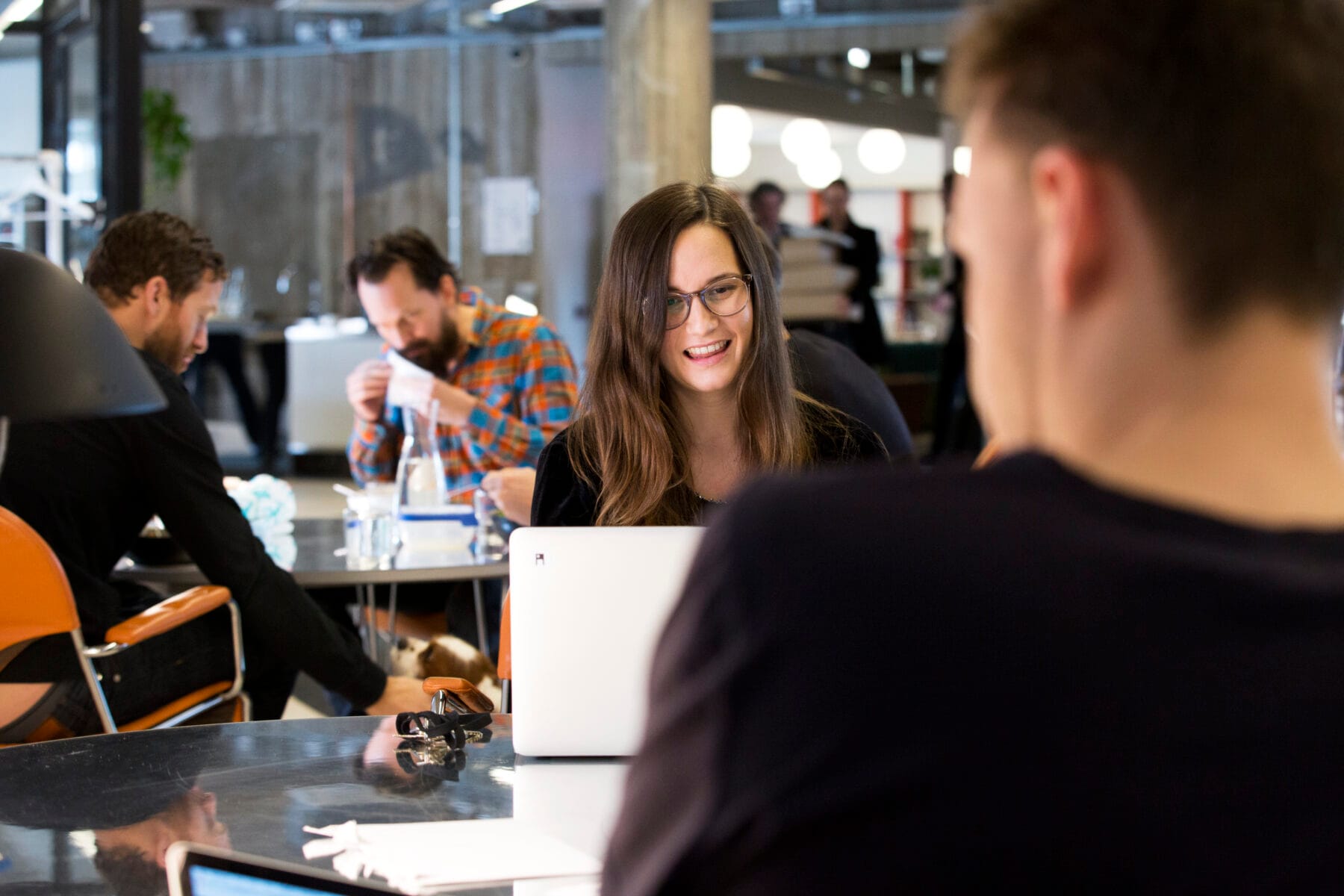
Sting – the largest ecosystem for startups in the Nordics
“At Sting, we help startups through coaching, capital and networks. We offer tailored support depending on where the company is-from early stage ideas to fast-growing scaleups. Our startups get access to experienced business coaches, investor networks, community and practical tools to scale their business. We run both incubator and accelerator programs and have helped over 400 startups take the next step.”
What is A House for you?
“The place to be! It’s a gathering place for like-minded souls, which is evident the second you step inside the door. Ideas are bubbling in the air and the tea is boosted with entrepreneurship.”
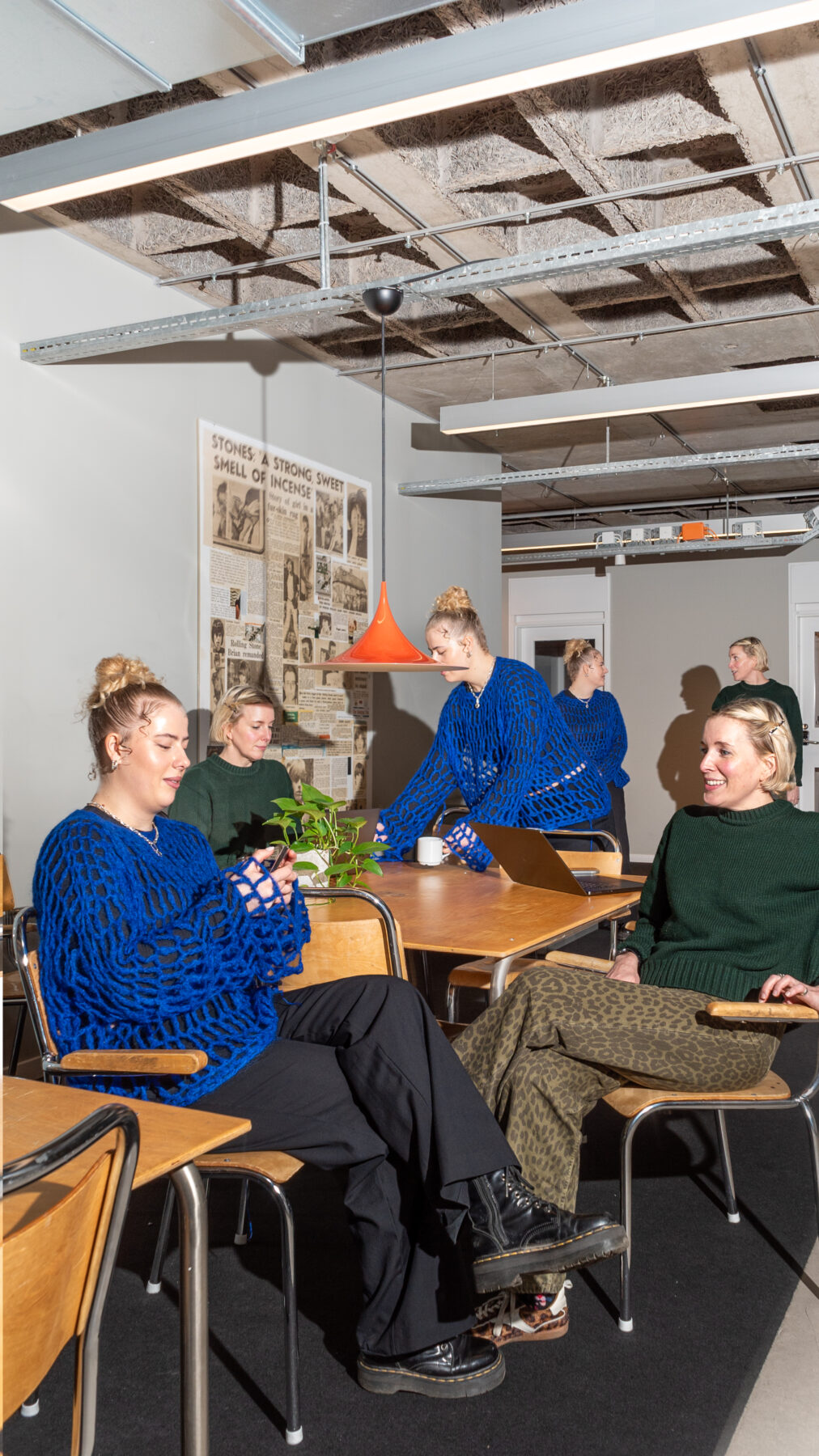
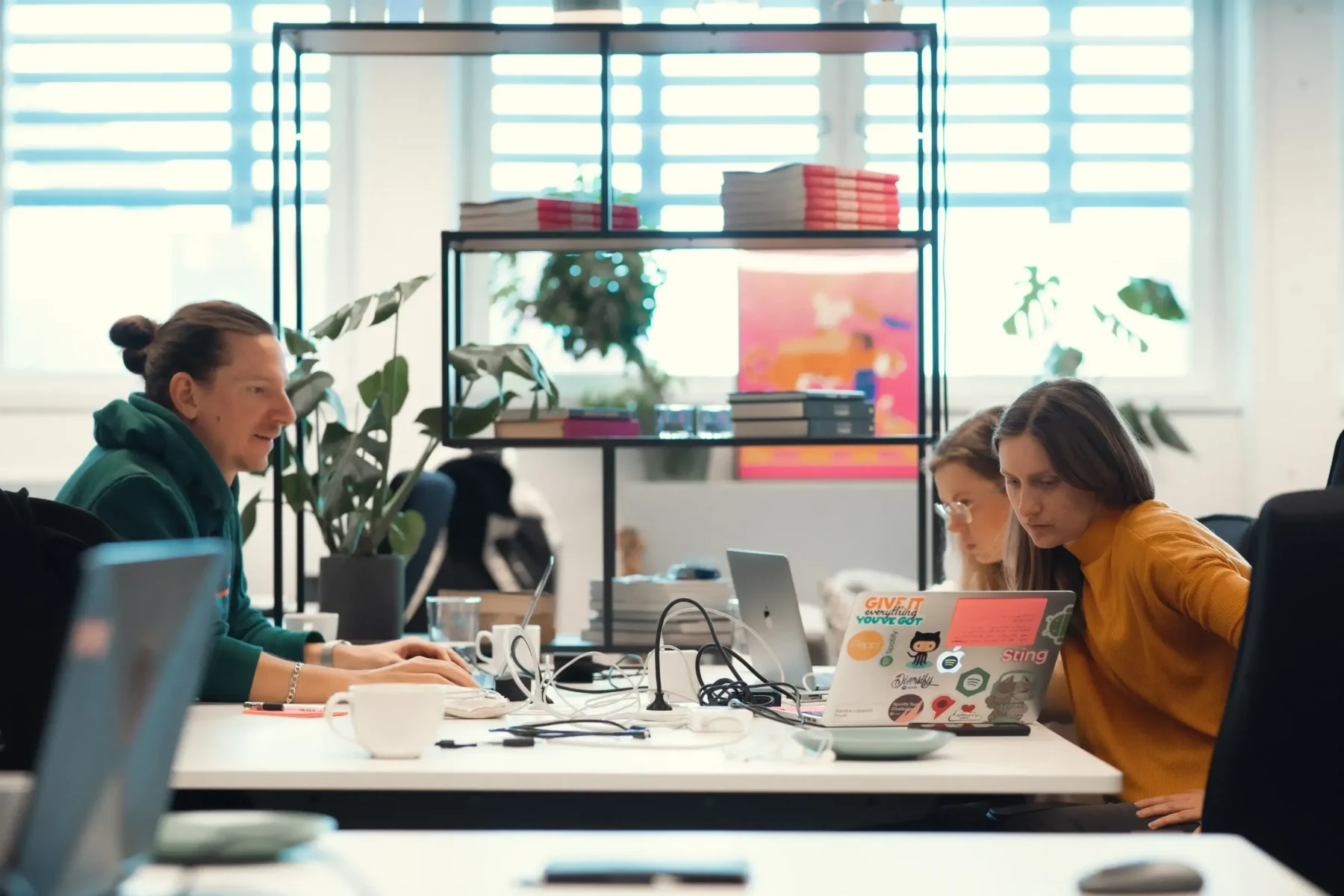
Companies that have grown with Sting on Ark
Care to Translate – Instant and medically accurate translations for safe and effective communication between healthcare professionals and patients.
ReOrbit – Satellite network with real-time data for more efficient space operations and better connectivity.
Yubico – The company behind YubiKey, the small security key that protects millions of people and businesses worldwide from data breaches.
SSE Business Labs history on Ark
The School’s own startup incubator, the SSE Business Lab, focuses on promoting entrepreneurship and supporting startups to grow and develop faster. They spent a long time at Ark, where several successful startups emerged:
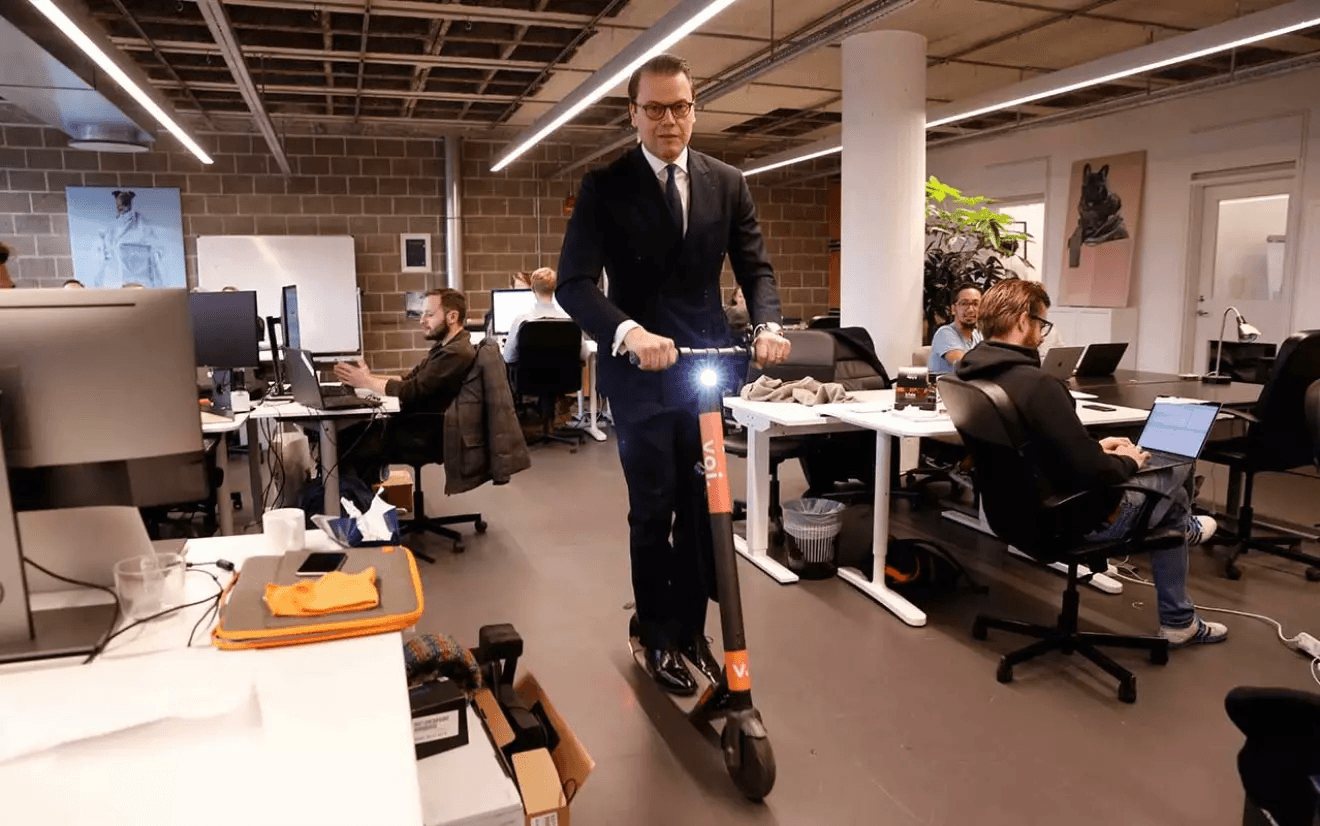
Voi
dibz
Scrintal
Astrid Wild
Napper
Telgea
Normain
Cay Collective AB
May
Spotlights on our members
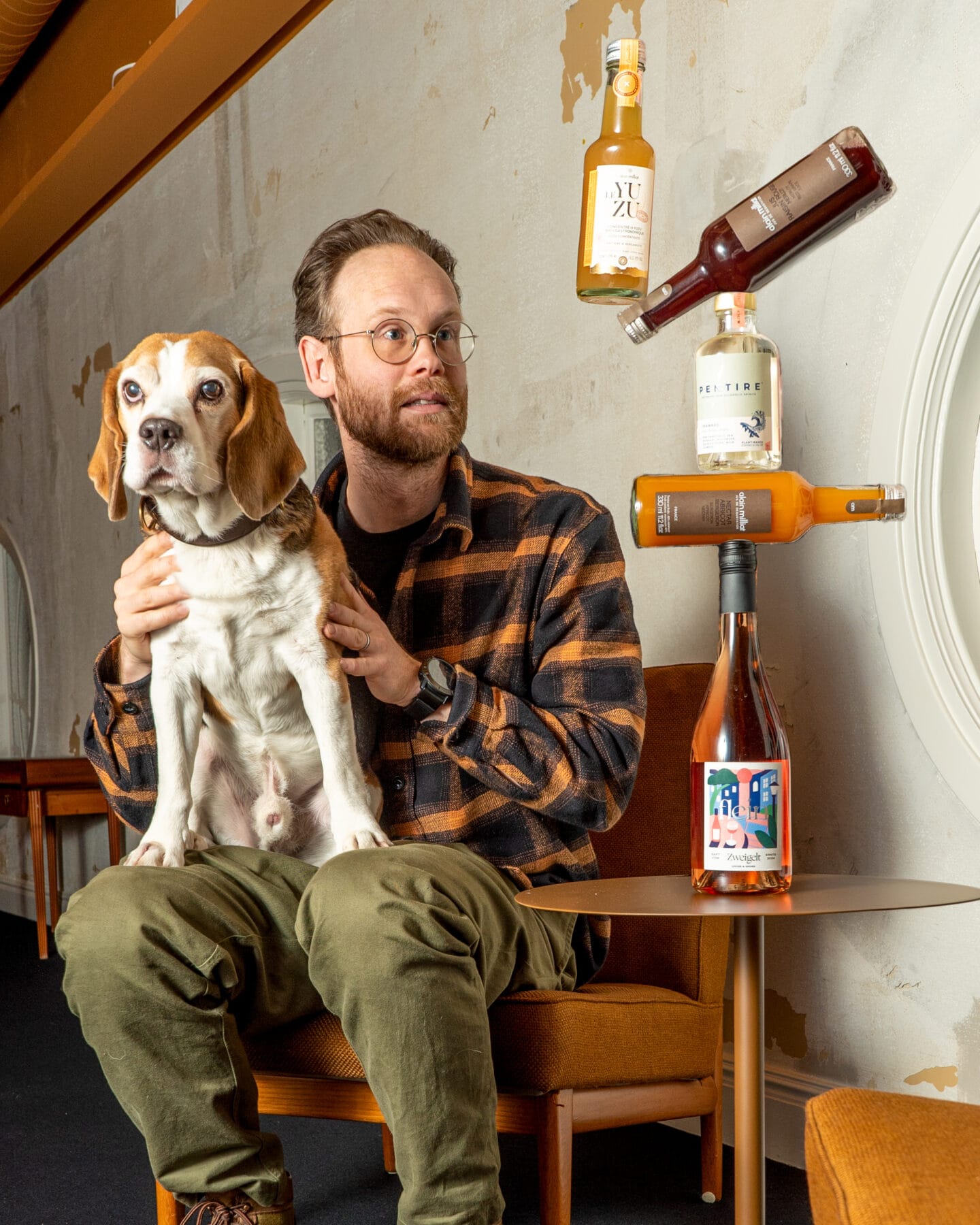
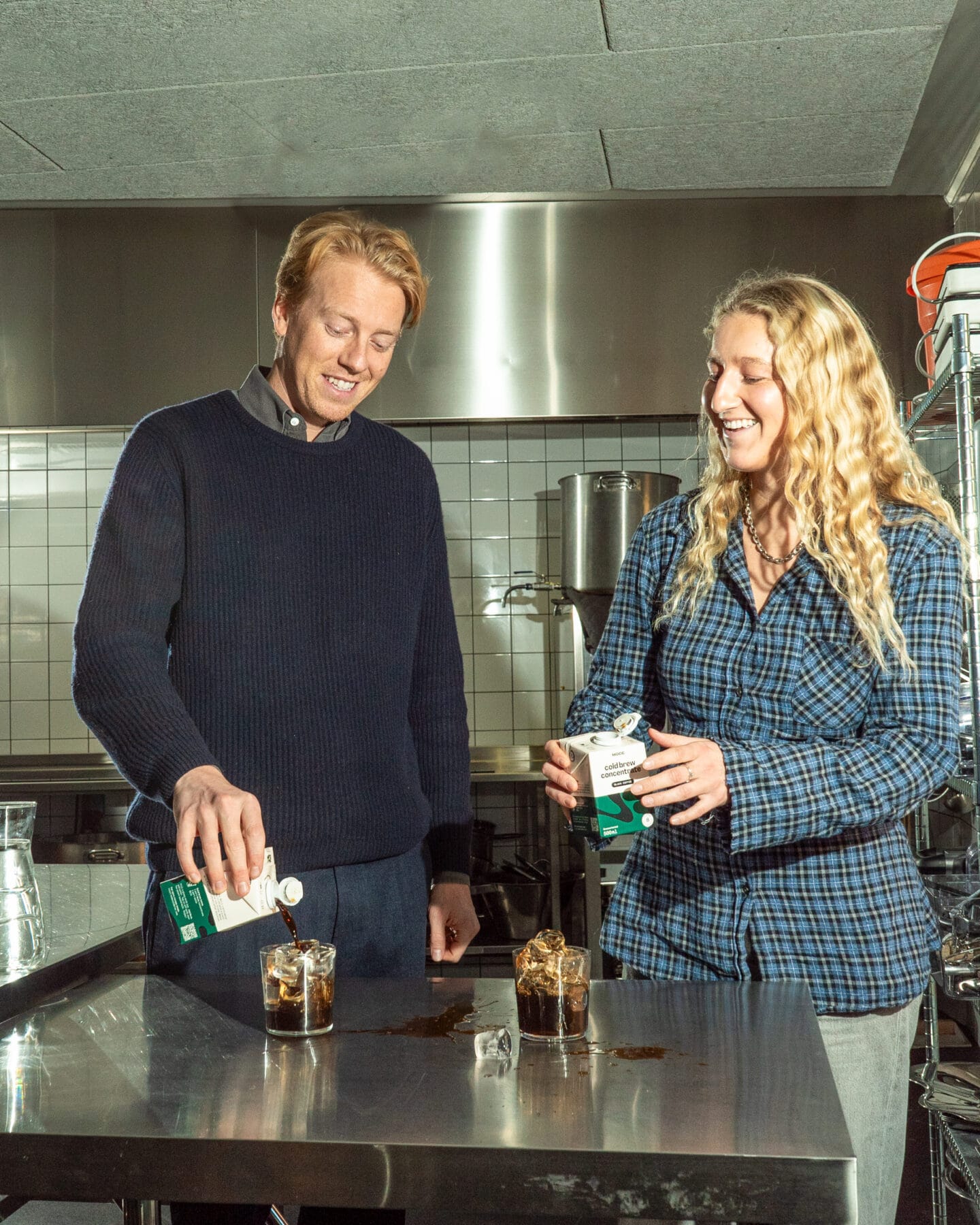
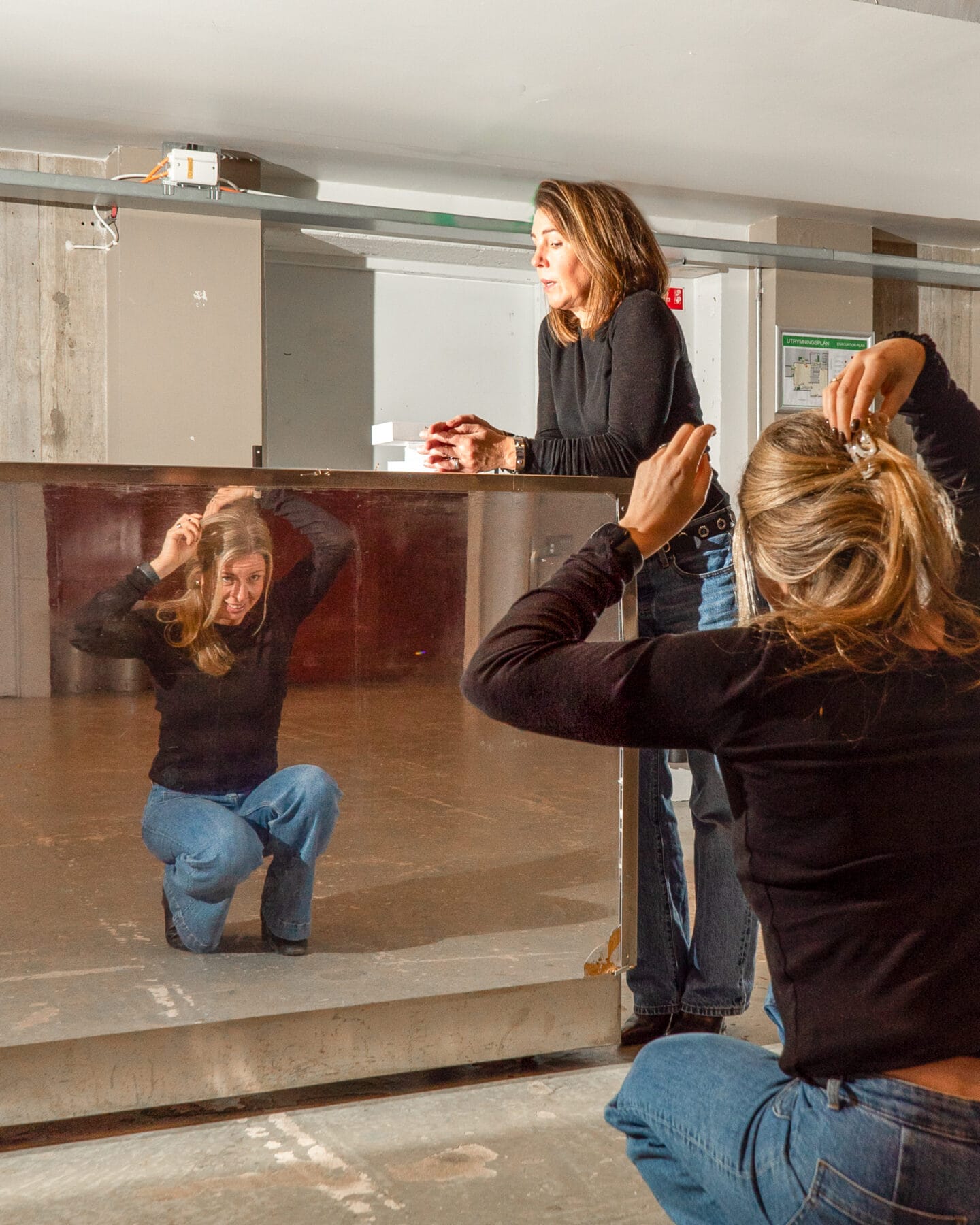
At A House, we always strive to uplift our members by highlighting their successes and projects, both on our social media and internal channels. By sharing their stories, initiatives and achievements, we not only create a platform for our members to reach out to a wider audience, but we also strengthen the community at A House. Our goal is to create a broad network, while building a creative and inspiring environment together.
Our history
A building in need of love and a longing for a different meeting place.
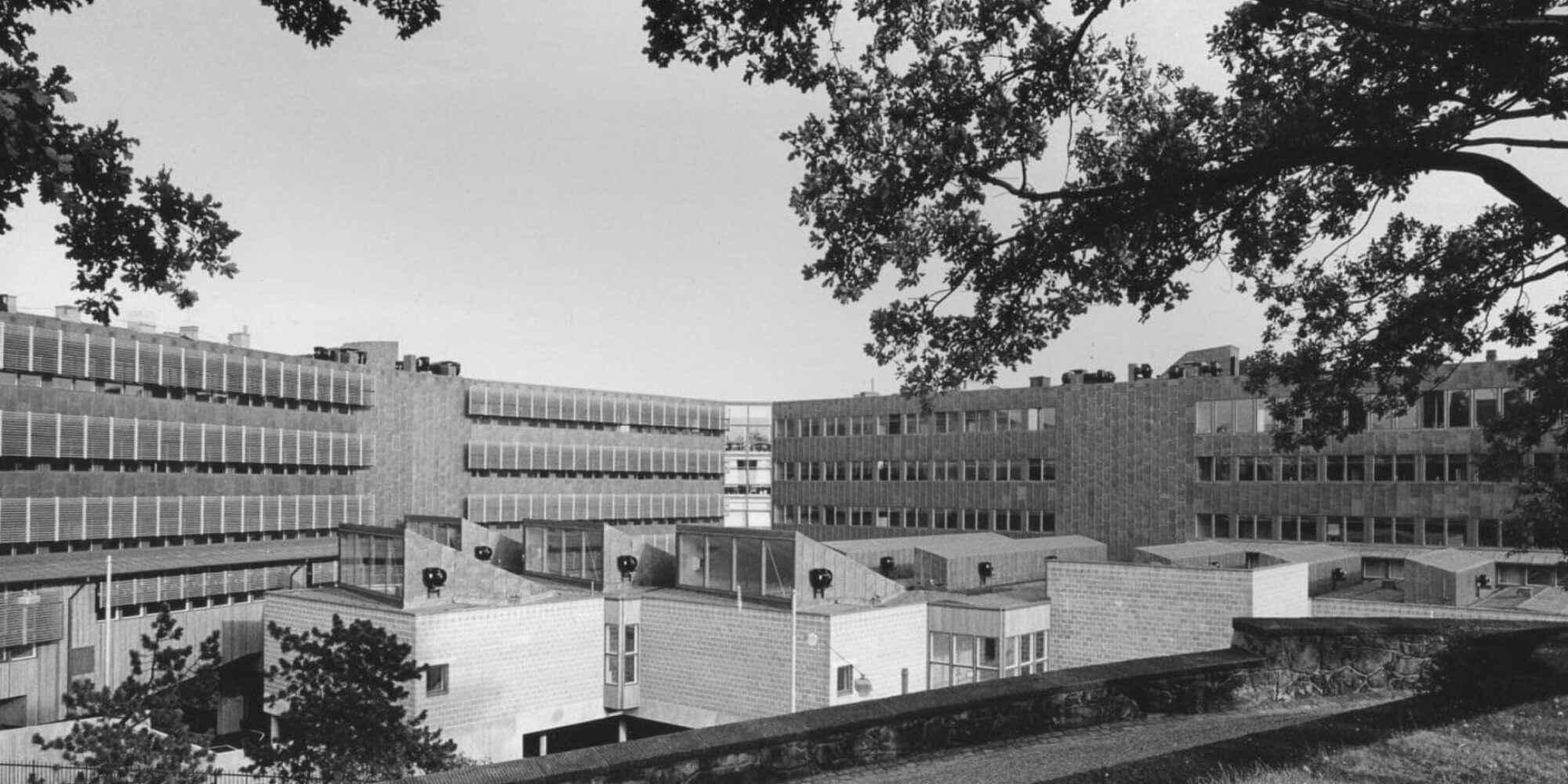
In 2015, the School of Architecture relocated from its brutalist building near Engelbrektskyrkan to the KTH Campus on the opposite side of Valhallavägen. The property owner, Akademiska Hus, aimed to maintain the building as a hub for learning and innovation. Their vision was to create a prototype for the workplaces of the future – an experimental space designed for the needs of a changing world.
The project was entrusted to Richard Hammarskiöld and Johan Almquist. With extensive experience within the creative industries, they recognized the value of collaboration and networking. However, they also saw the need for a space that could naturally foster creativity and innovation – bringing together emerging talent and established companies. This vision led to the concept of a house dedicated to food, fashion, media, and music, where business, academia, and the city could intersect and contribute.
When A House took over the former School of Architecture, the building had remained largely untouched since the 1970s. As renovations began, the move-in was gradual, with the team occupying small sections of the building one at a time. To ensure the space met the needs of its future members, the team collaborated with them throughout the development process. Co-creation and iterative development have always been at the heart of A House, and this approach continues to guide us. For us, the journey is more important than the destination – being “finished” holds no intrinsic value.
The name A House pays homage to the history of our first location. The building, currently known as Ark, was affectionately called “A-huset” by the School of Architecture. By retaining its original identity while adding our own unique touch, we set out with the ambition of creating a model that could eventually expand internationally.
Our mission is to create inspiring spaces where both emerging talent and established companies feel at home. Functionality and ergonomics, while important, have never been our main focus. Instead, we aim to capture the essence of each location, crafting unconventional environments with curated vintage furniture and surprising material combinations. We prefer quirky over conventional – better bold than bland.
Today, A House spans four locations in Stockholm: Ark in Östermalm, Filmhuset at Gärdet, Börshuset in Slakthusområdet, and Katarinahuset in Slussen. Each destination has a rich history and a unique story to tell, which we highlight through its design. Every location is defined by its own theme – Brutalist living room (Ark), Cinematic elegance (Filmhuset), Meaty Art Nouveau (Börshuset), and Functionalist Avantgarde (Katarinahuset).
History of our destinations
Ark
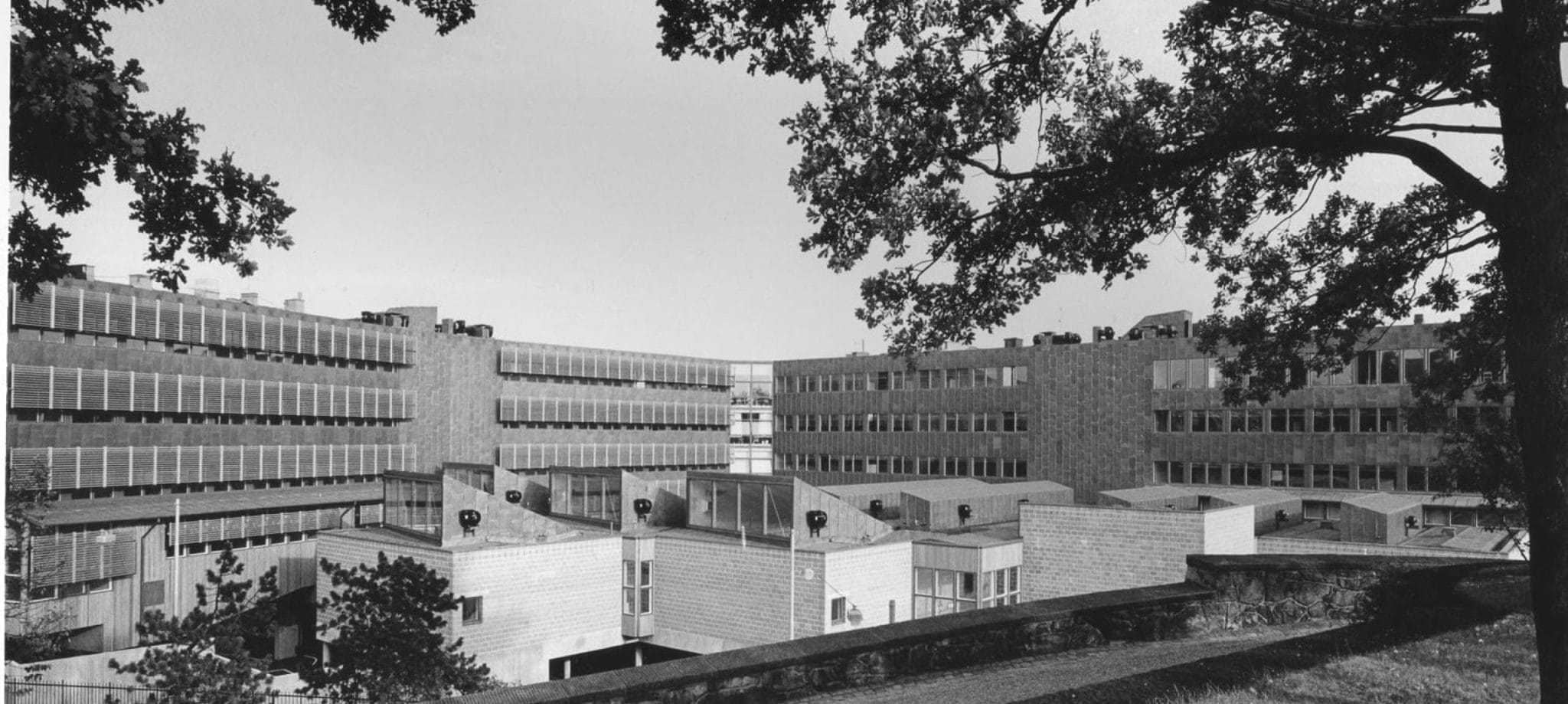
From criticized institution to creative destination. In Sweden’s ugliest building, nothing has been left to chance. Ark has been making room for creativity since 1971.
Filmhuset
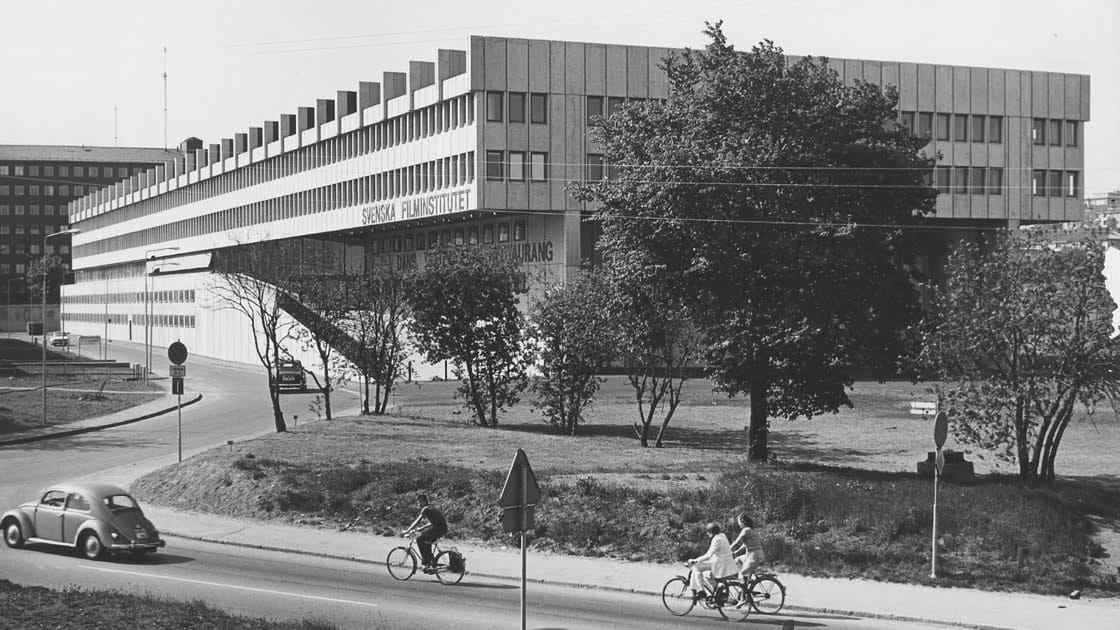
From cinematic elegance to extravagance. Controversial from the drawing board – Filmhuset has stirred strong emotions since 1970.
Börshuset
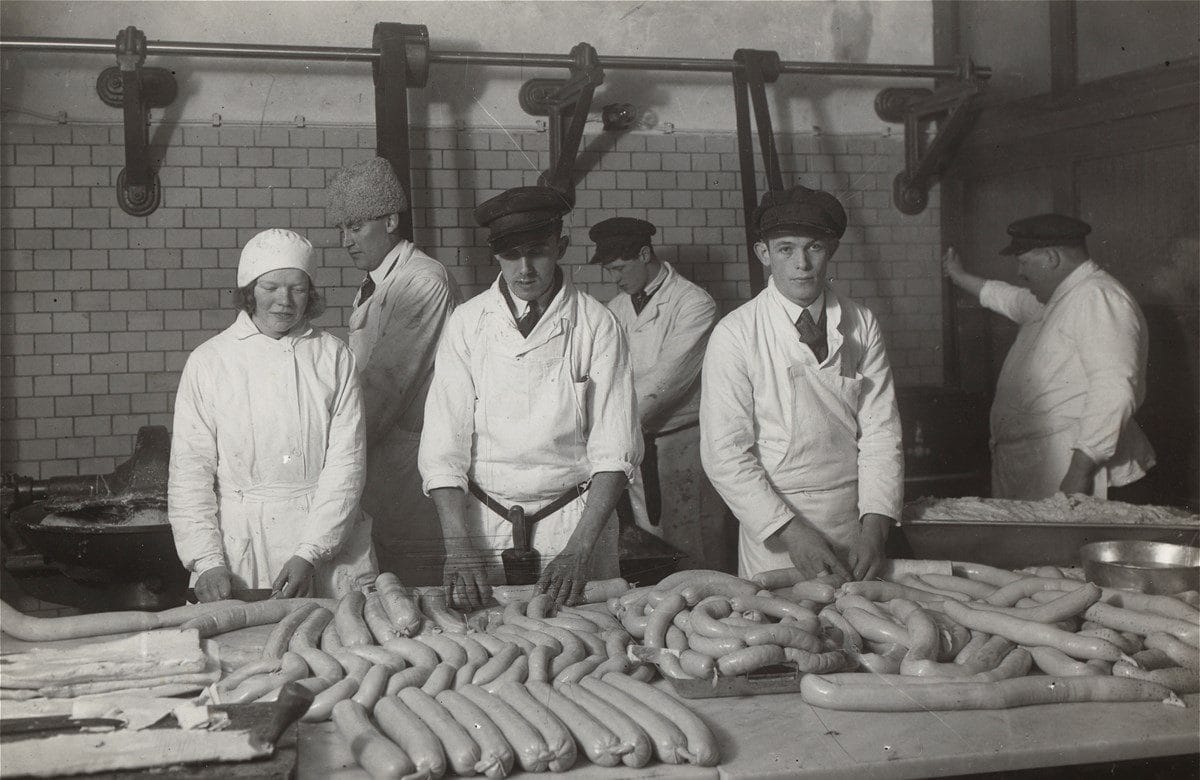
From cattle to creators. Bank, meat market, police station… Börshuset has been showing new sides since 1912.
Katarinahuset
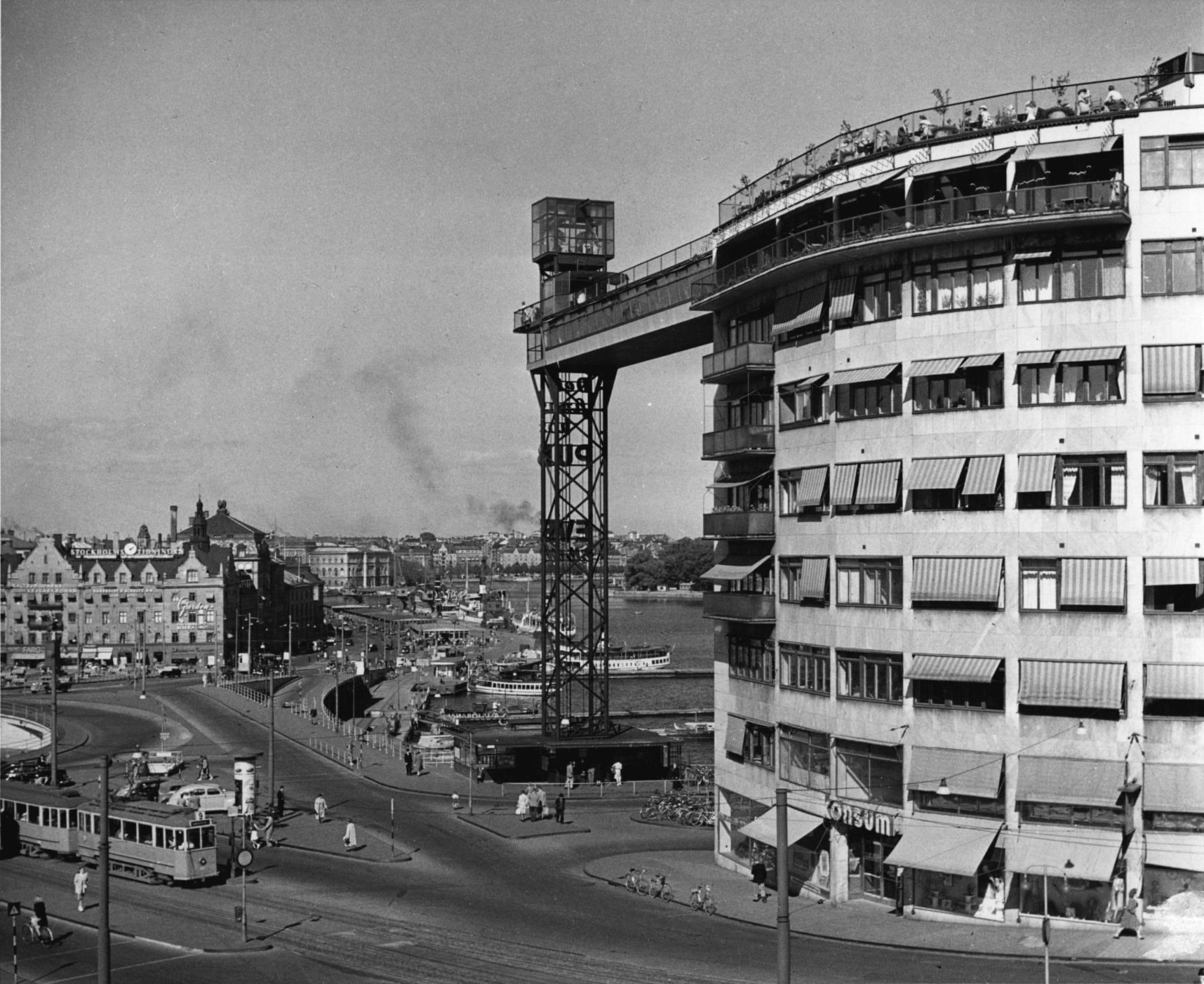
From co-op to creative coworking. Residential buildings in poor harbor districts, the headquarters of KF, and now – hub of Stockholm’s new business center. Katarinahuset is a true product of its era.

Ark
A destination for fashion, food, music and media
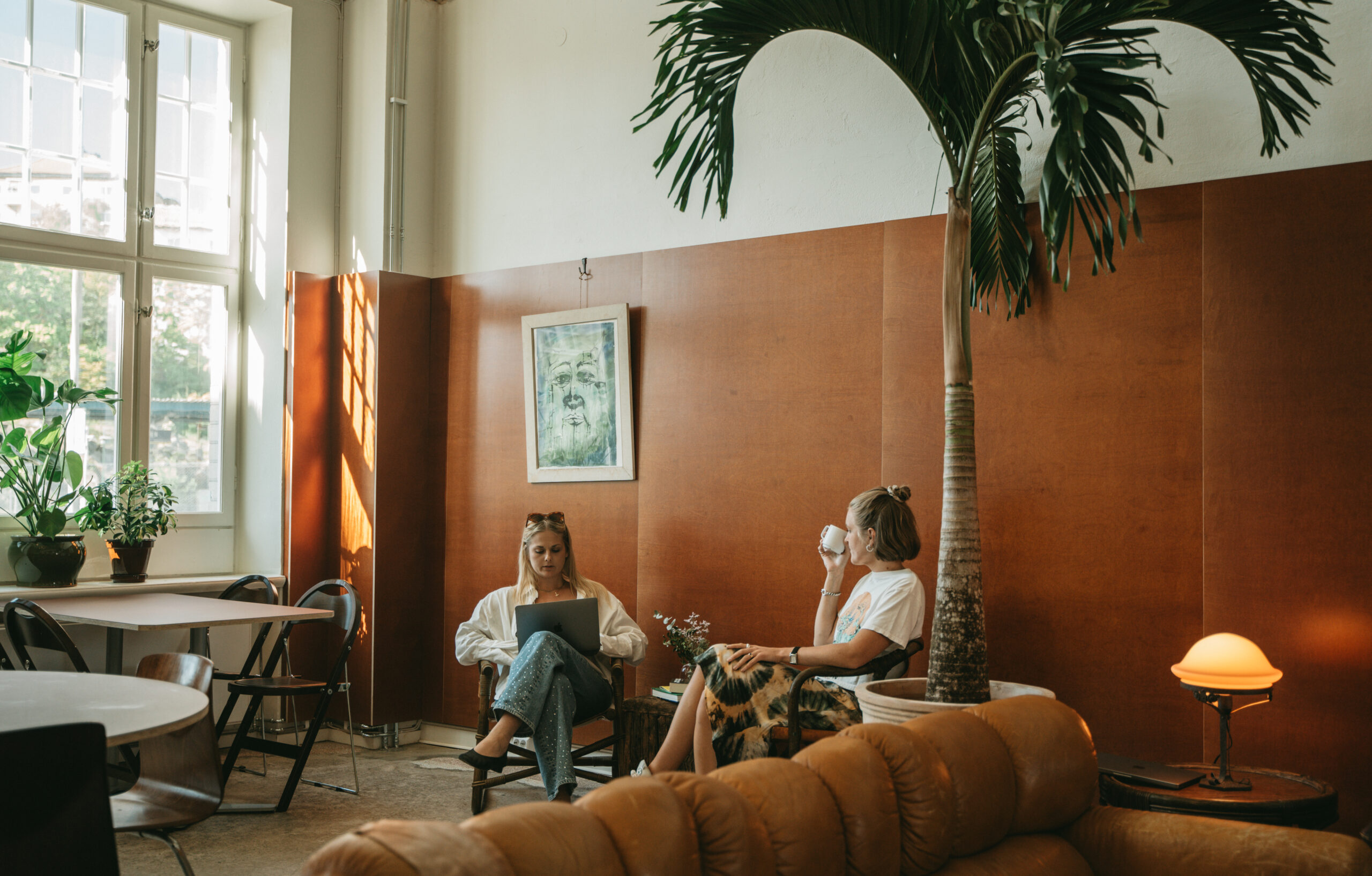
A brutalist living room in Östermalm.
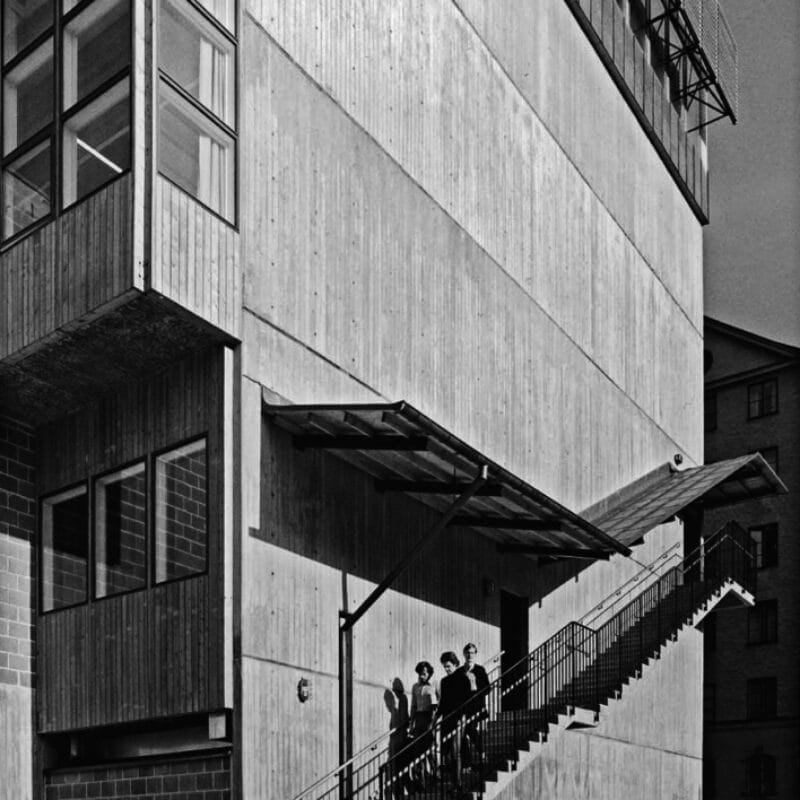
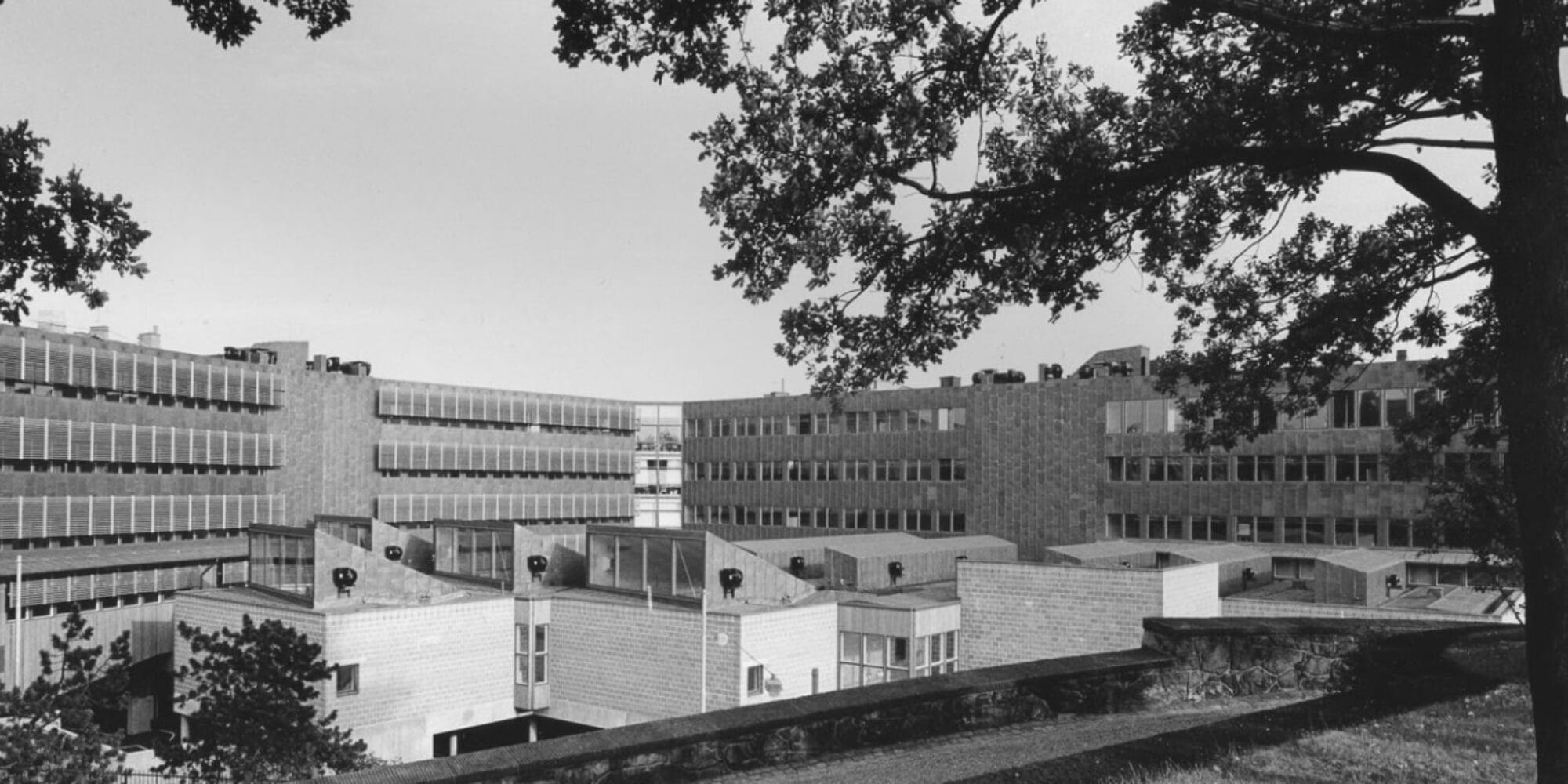
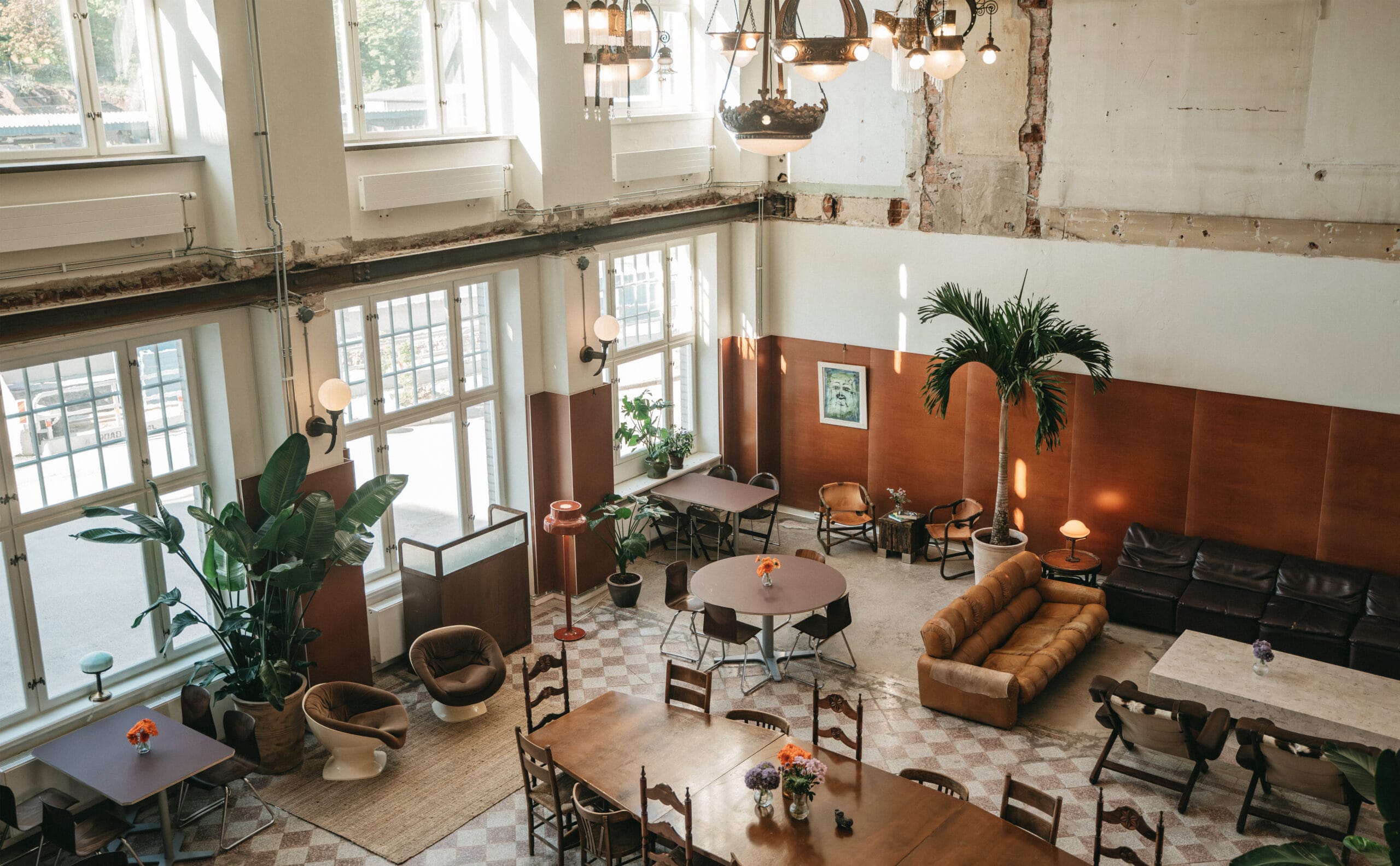
Tucked in amongst the beautiful turn-of-the-century buildings of Östermalm lies the former School of Architecture – a brutalist building often voted Sweden’s ugliest building. When the idea of creating a prototype of future workplaces began, we transformed the building into a meeting place with creativity at its core. The doors to A House’s first destination, Ark, opened in 2016.
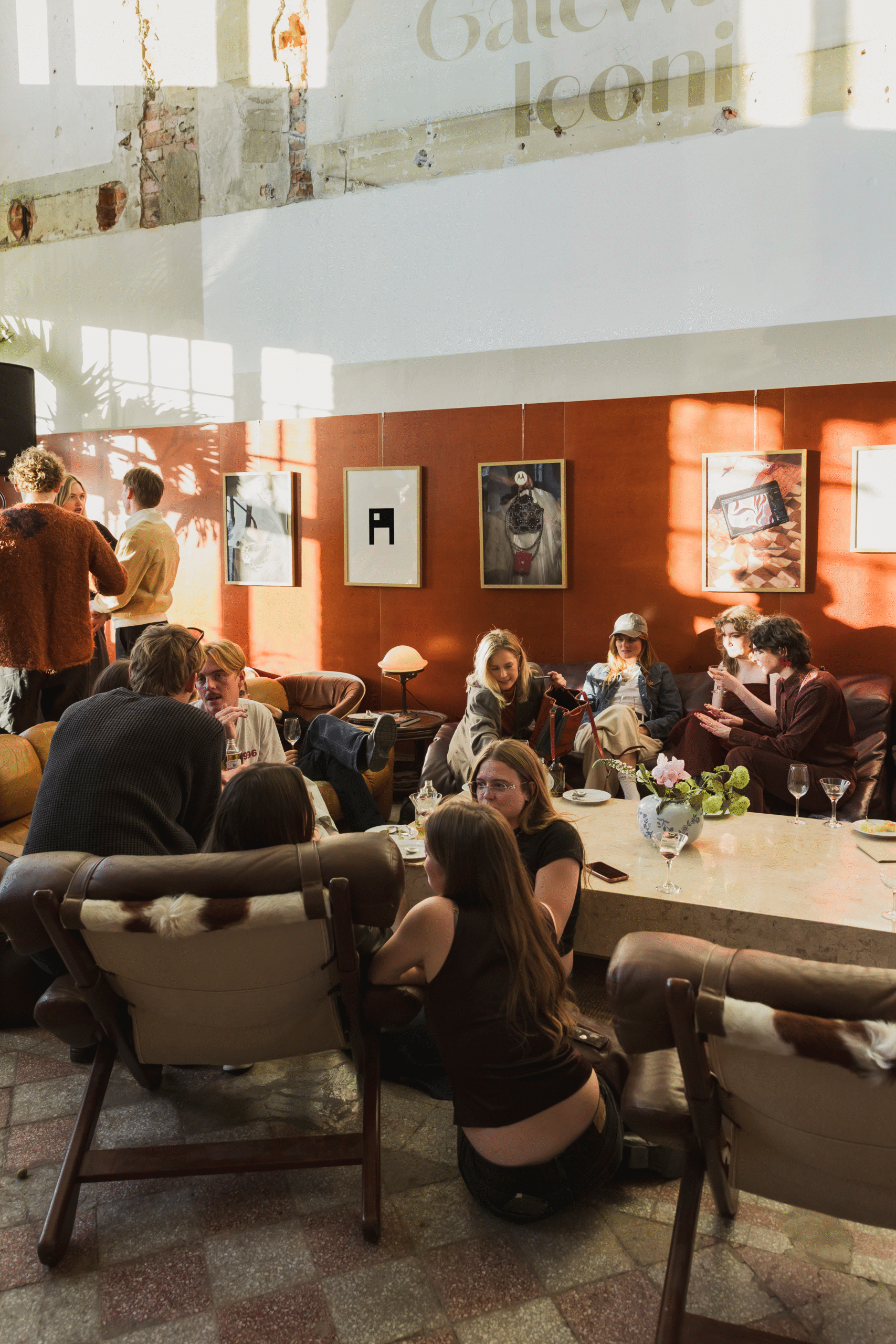
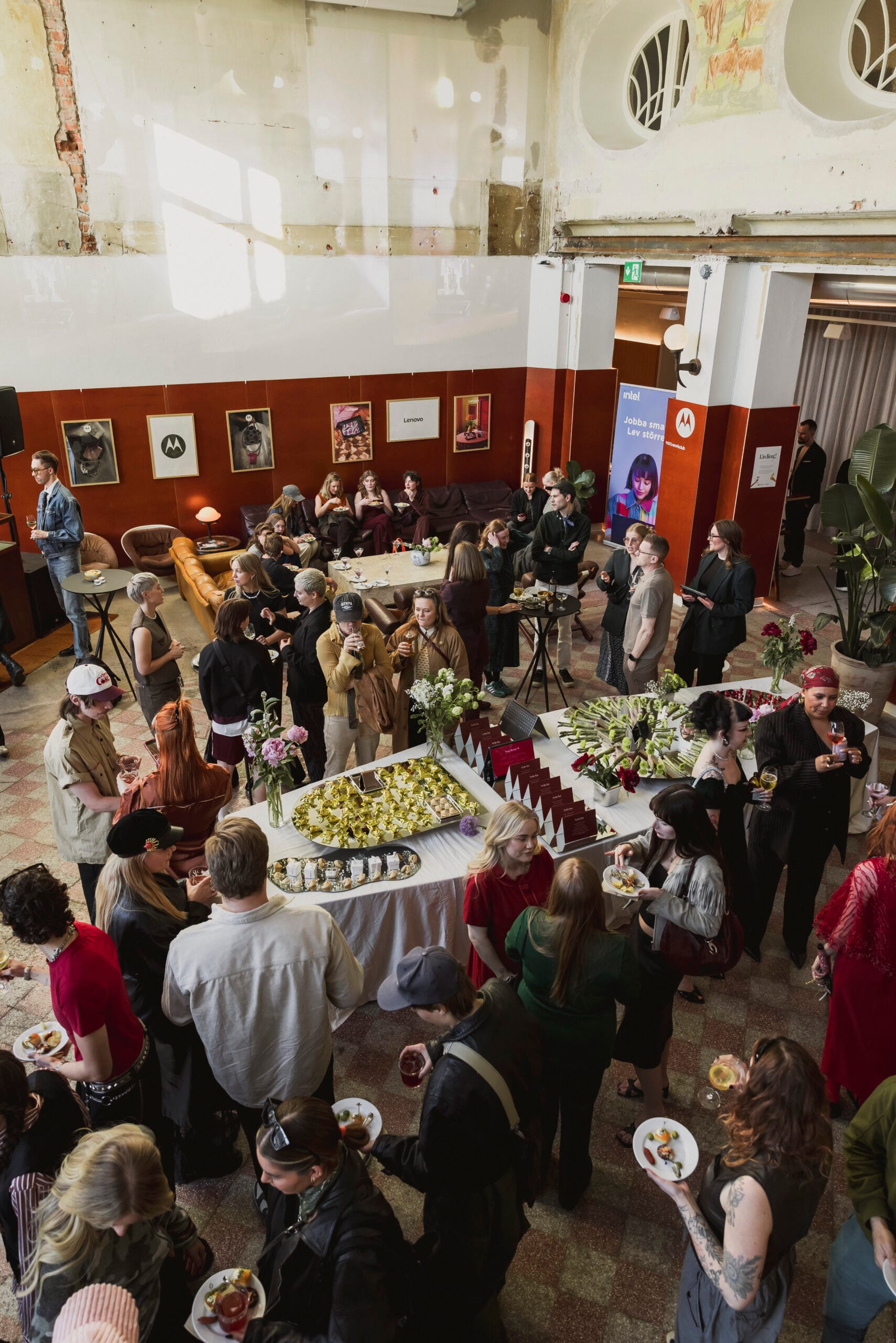
Today, Ark is a meeting place for creative industries focused on fashion, food, music, and media. Our community ranges from freelance creatives and startups to established companies. Events fill our space day and night, everything from concerts and lectures to design exhibitions, fashion shows, and even ice baths. Every year, we welcome summer on our large yard, overlooking Engelbrektskyrkan.
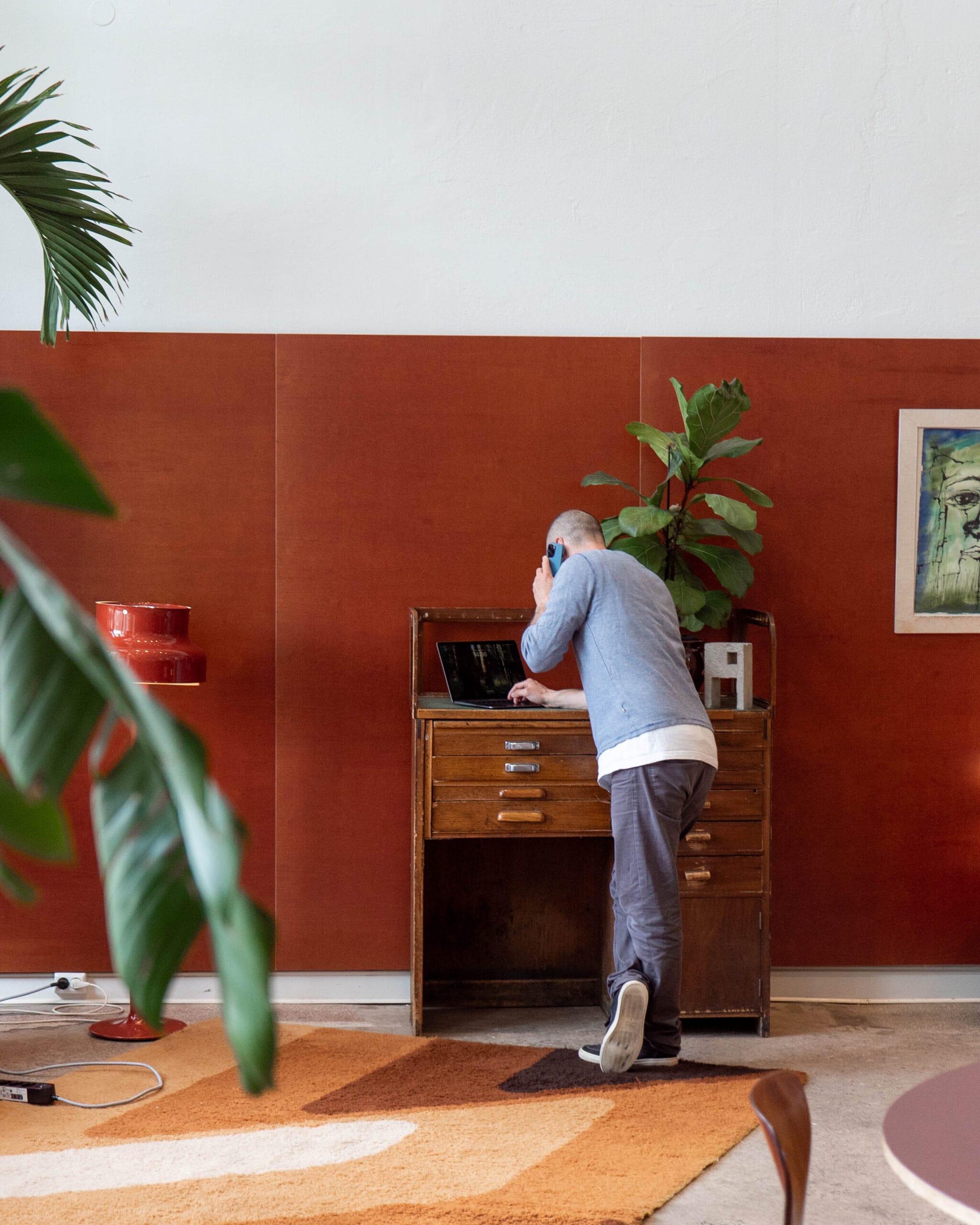
A House Ark is more than just coworking. We provide inspiring environments for creators to grow, collaborate, and find community. Our formula? Curiosity, character, inspiration, learning, culture, food, and drinks. Constantly evolving spaces, contrasts, and unexpected experiences – plus those undefinable elements that, according to our members, make A House truly unique.
Facts
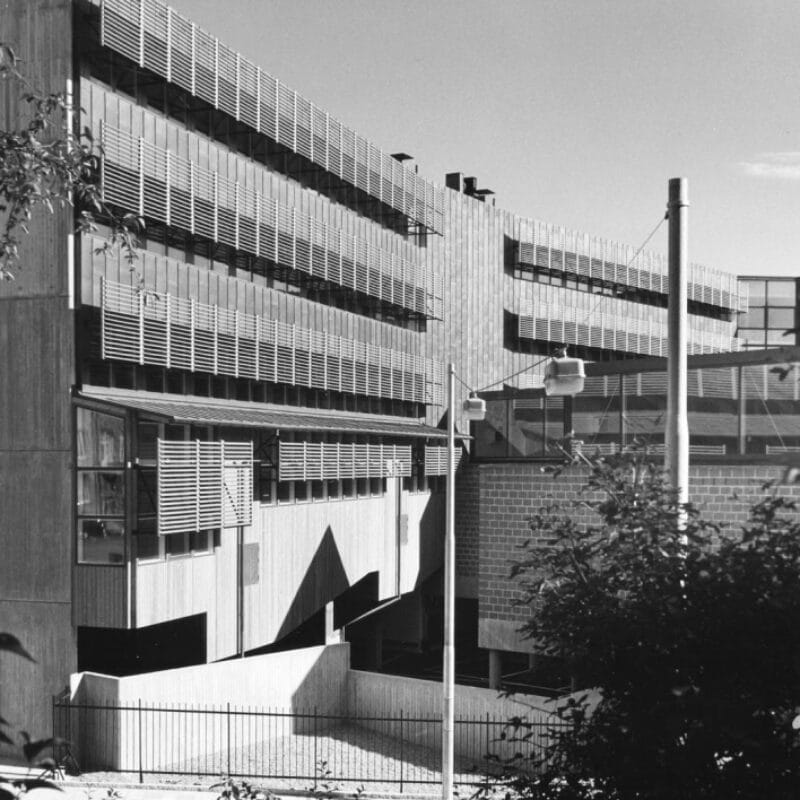
A House Ark is located in the former premises of the School of Architecture in Östermalm. The building was designed in a brutalist style by architect Gunnar Henriksson and built in 1970. The interior design today goes under the keywords brutalist living room. Ark has an area of approximately 12,500 m².
- Ground Floor with 3 restaurants/cafes and a brewery
- Event Spaces, 1 423 m² (of which 395 m² outdoors)
- Coworking, 3 000 m²
- Lobby, 40 seats
- Workclub, 44 seats
- Studios, 35 units (10-112 m²)
- Larger Offices, 7 (400-800 m²)
Opening hours Front Desk
Weekdays 8:00 – 17:00 / Weekends closed
Member access 24/7
Contact us
Östermalmsgatan 26A, 114 26 Stockholm
ark@ahouse.se
+46 8 410 899 00
Membership
As a member of our community, you get access to activities that make it easy to discover new collaborations. Breakfast, yoga, lectures, and AWs are some examples. Choose between a lobby membership, a fixed place in the Workclub, a desk, or your very own office space. Whatever your needs, we’ll find a solution.
Event venues
Host your event in our iconic buildings, where the venues set the stage, but you decide the content. Our flexible spaces are suited to events and conferences of all sizes, and many can be combined to create a multi-layered event experience. Rent them as raw spaces or co-create with us.
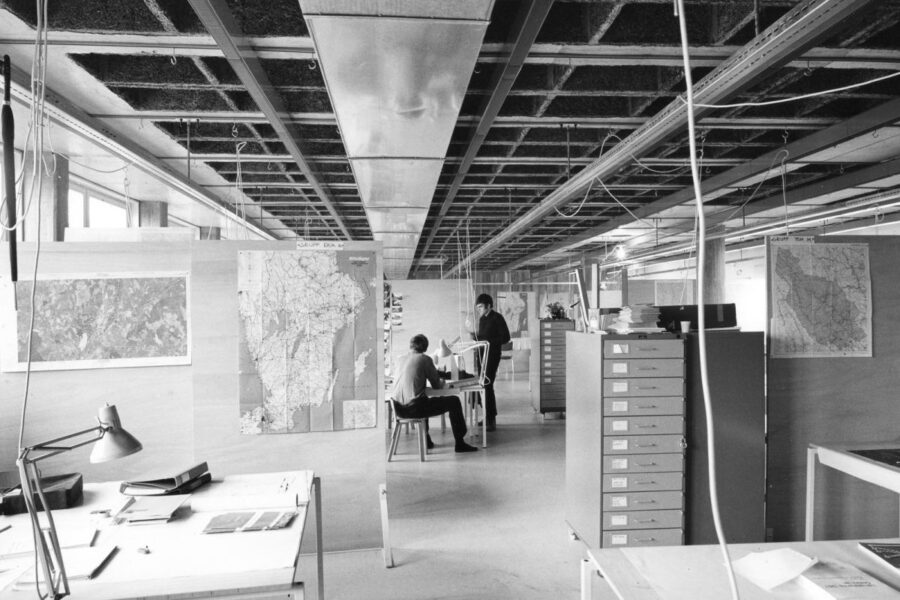
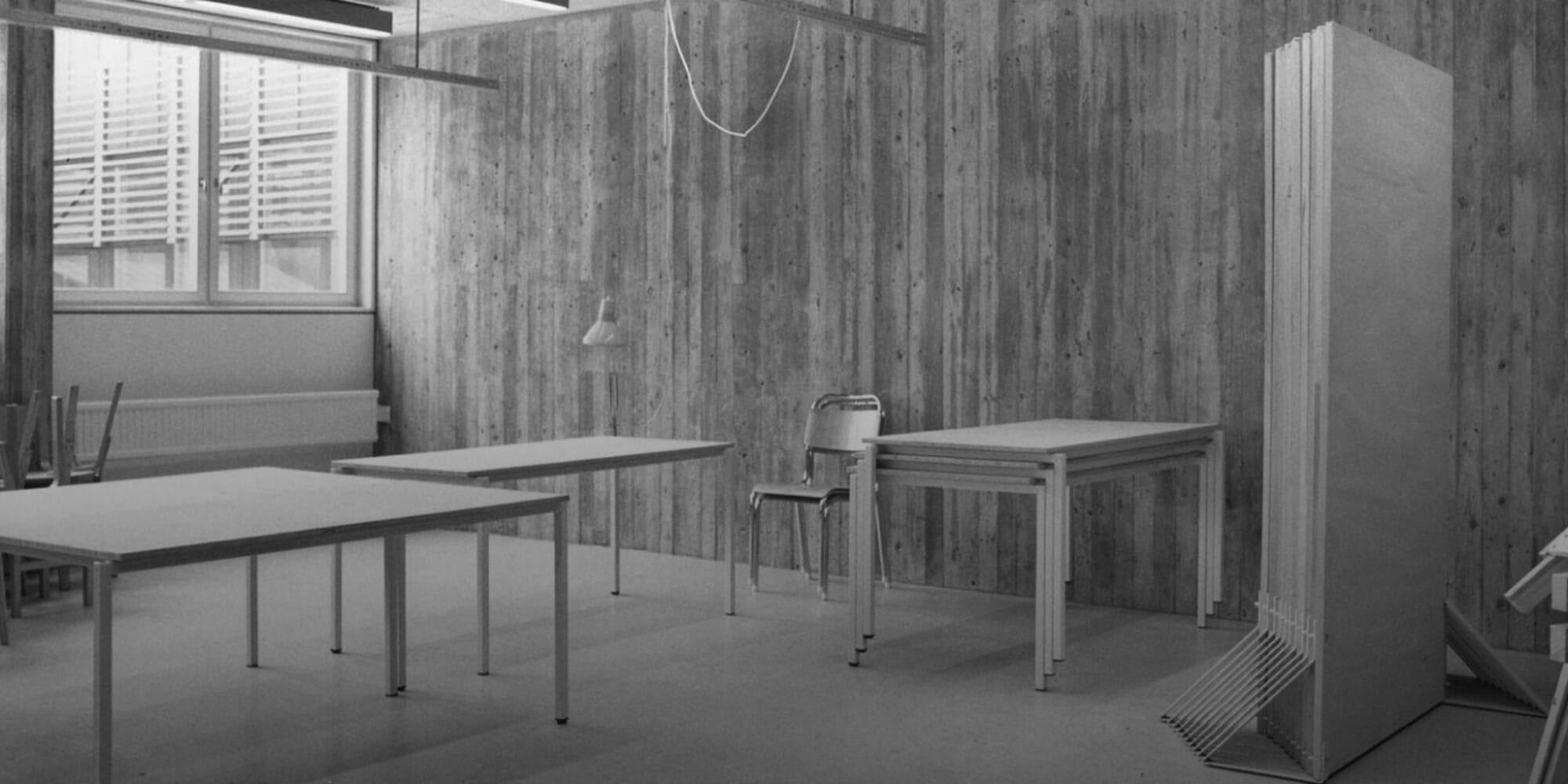
From criticized institution to creative destination
In Sweden’s ugliest building, nothing has been left to chance. Ark has been making room for creativity since 1971.
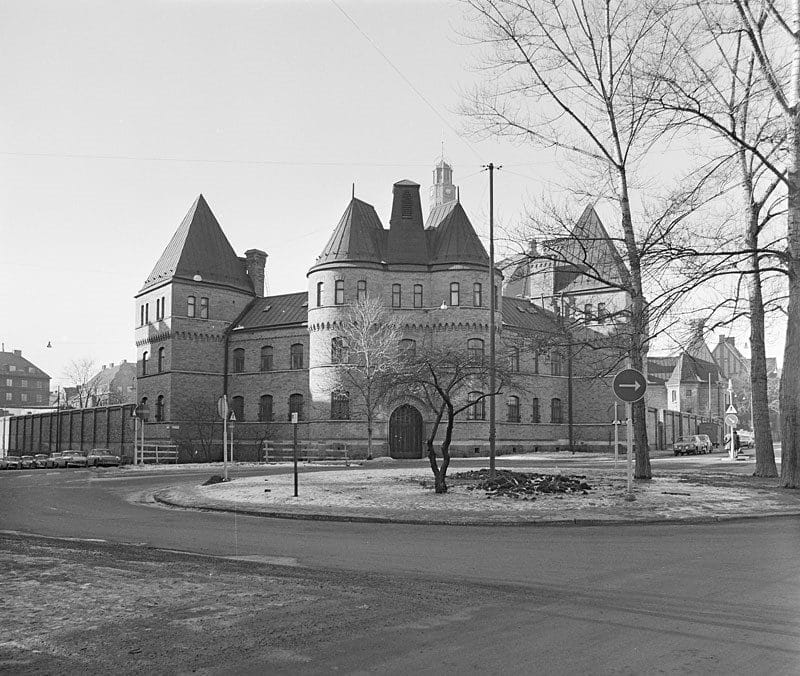
The intersection of Östermalmsgatan, Uggleviksgatan, and Rådmansgatan is a site rich in history. In the late 19th century, it was home to a women’s prison — a red, medieval-inspired building featuring 115 cells and pie-shaped exercise yards. After three decades, the National Archives took over the premises, using them to store historical records.
By the 20th century, the demand for architects had increased significantly. In the late 1960s, a decision was made to construct a new building for Stockholm’s School of Architecture, which had previously been part of the Royal Institute of Technology’s (KTH) campus. Gunnar Henriksson, head of KTH’s architectural office, was commissioned for the project. The red castle was demolished to make way for something entirely new.
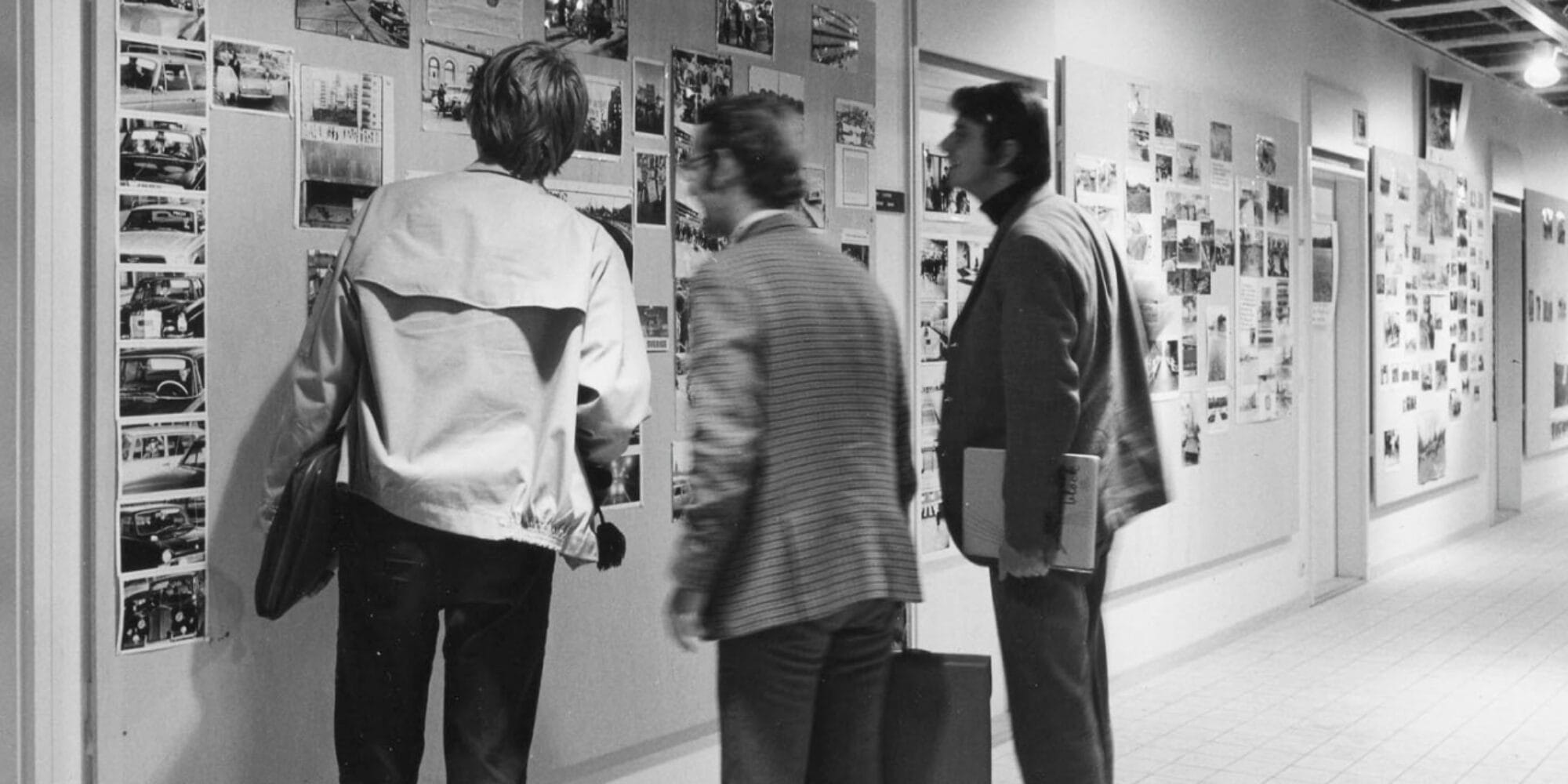
To ensure the new building did not appear more prestigious than other institutions, the project was bound by strict financial constraints. Henriksson also aimed to empower students to shape their own environment, leading to a design that prioritized simplicity. The result was the A-house – a 12,500-square-meter structure influenced by the ideals of New Brutalism, emphasizing materiality, function, and technology over color, form, and ornamentation. The building’s design was dictated by its intended uses, accommodating drafting rooms, lecture halls, studios, laboratories, and workshops. It remained the home of the School of Architecture until 2015.
At first glance, the building’s unique architecture may seem harsh in relation to its surroundings. However, its design was carefully crafted with respect for the environment: the building’s volumes mirror those of neighboring structures, and its concrete façade was chosen to avoid competing visually with Engelbrektskyrkan.
The A-house, now called Ark, is regarded as one of Sweden’s few fully realized Brutalist buildings. The original vision of allowing the building’s users to shape its function is still very much alive, serving as a guiding principle for all A House destinations.
Filmhuset
A destination for film and moving pictures
“No ordinary damn building.”
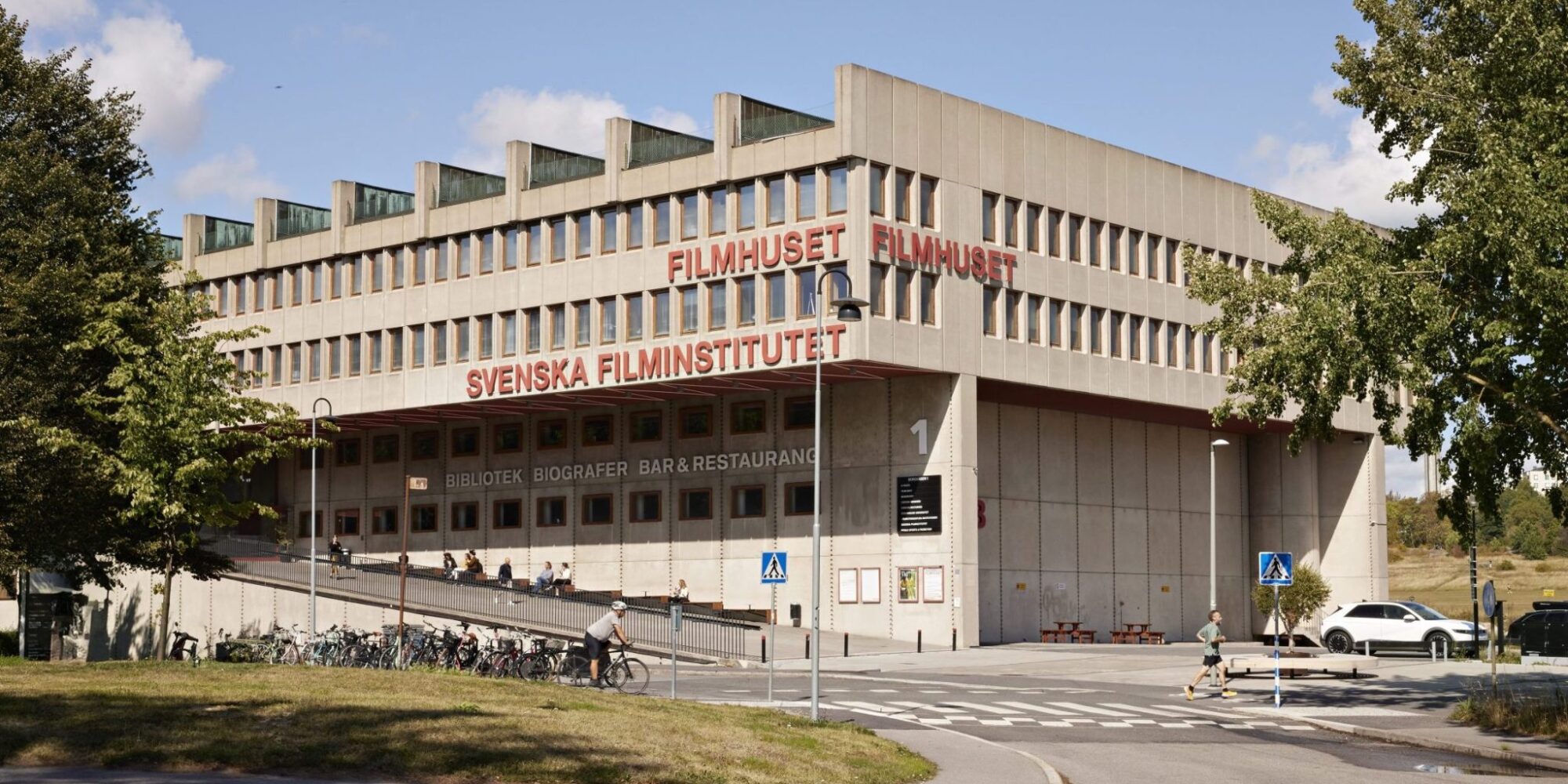
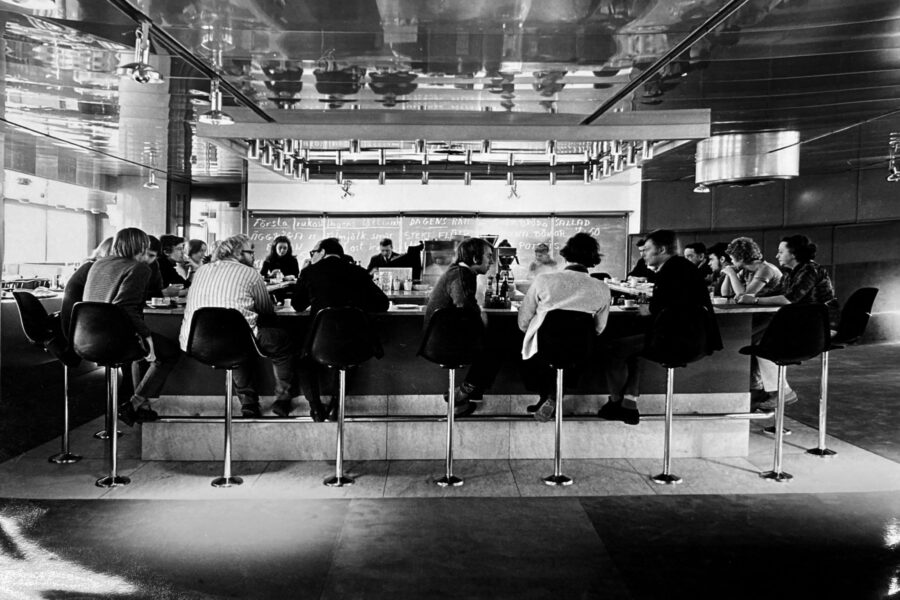
Since its opening in 1971, Filmhuset has stirred strong reactions. The brutalist concrete building in Gärdet pays homage to cinema in its design – window lines echo the perforations of film reels, elevator doors mimic makeup mirrors, and the winding staircases resemble rolling strips of film. It’s been called both ugly and brilliant.
In 2021, A House moved into Filmhuset with a mission: to create a vibrant space for film and motion pictures. The building houses cinemas, coworking spaces, editing studios, event venues, a film shop, a library, production studios, a café, a restaurant, and one of the world’s oldest and largest film archives. Spaces like Filmrummet and Cinemateket establish it as a hub for film discussion and development.
A House is built on personality, new business opportunities, inspiration, and learning. It’s a place defined by constant growth, contrasts, and surprising experiences – including some intangible elements that, according to our members, are make A House truly unique.
As Swedish Film Institute founder Harry Schein once said, Filmhuset is simply “No ordinary damn building.”
Facts
A House Filmhuset was designed by architect Peter Celsing on behalf of the Swedish Film Institute. The building was inaugurated in 1971 and has since been an important destination for film and moving images. The interior design is characterized by the theme of cinematic elegance. A House is located on the 4th floor and has a large event venue with its own entrance on floor 2. Filmhuset spans 24 700 m², of which A House occupies 3 500 m².
- Entrance Floor with café, bar, restaurant and foyer
- Sweden’s only specialized film library and the world’s oldest film archive
- Film Shop
- Cinemas, 3 pcs
- Studios and Editing/Podcast rooms, 210 m²
- Coworking, 1 230 m²
- Event Venues, 1 220 m²
- Lobby, 30 seats
- Workclub, 14 seats
- Studios, 9 pcs (11-25 m²)
Opening hours Front Desk
Weekdays 8:00 – 19:30 / Weekends 13:00 – 19:00
Member access 24/7
Contact us
Borgvägen 1, 115 53 Stockholm
filmhuset@ahouse.se
+46 8 665 11 00
Membership
As a member of our community, you get access to activities that make it easy to discover new collaborations. Breakfast, yoga, lectures, and AWs are some examples. Choose between a lobby membership, a fixed place in the Workclub, a desk, or your very own office space. Whatever your needs, we’ll find a solution.
Event Venues
Host your event in our iconic buildings, where the venues set the stage, but you decide the content. Our flexible spaces are suited to events and conferences of all sizes, and many can be combined to create a multi-layered event experience. Rent them as raw spaces or co-create with us.
From cinematic elegance to extravagance
Controversial from the drawing board – Filmhuset has stirred strong emotions since 1970.
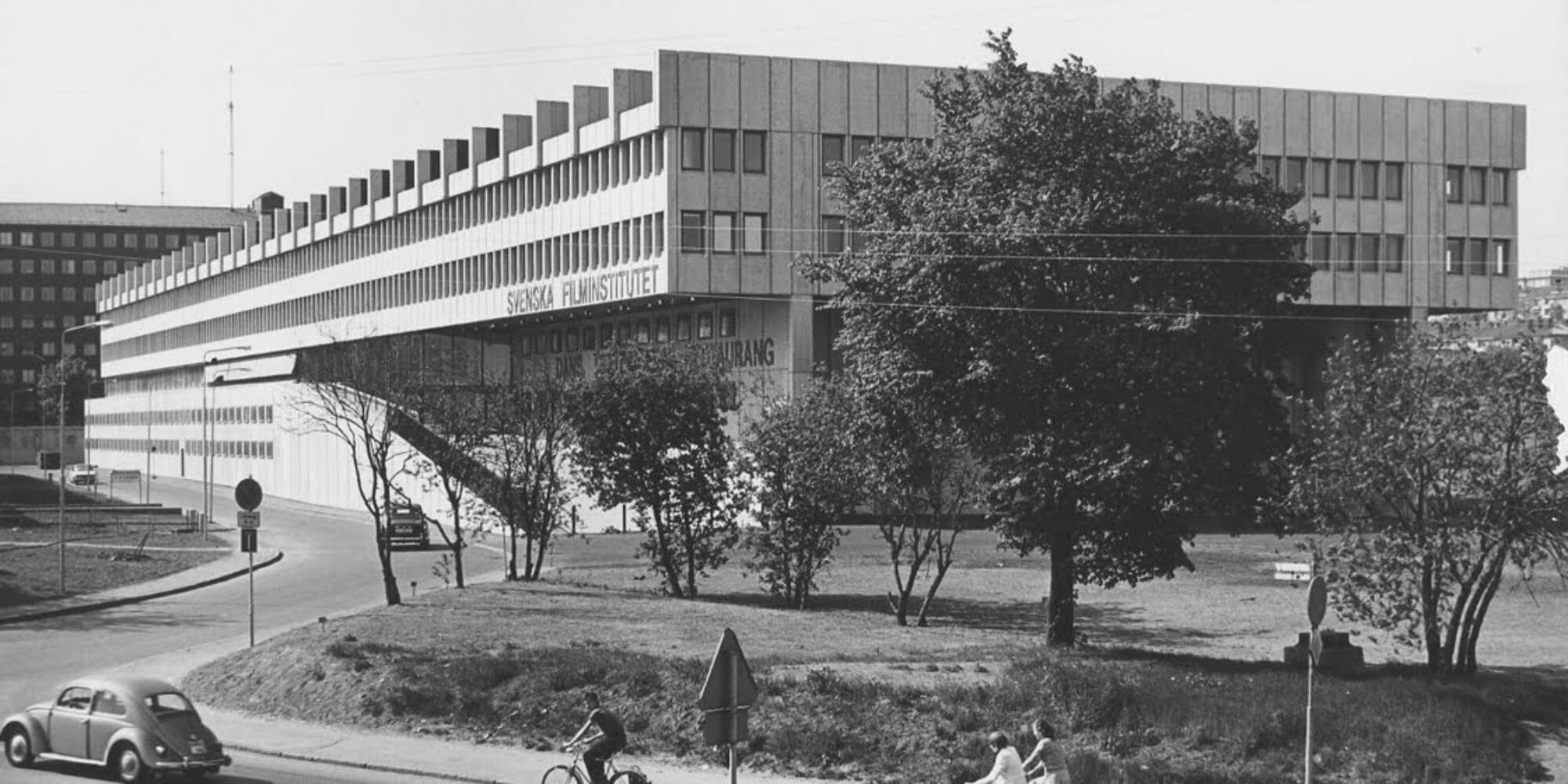
The Swedish Film Institute (SFI) was founded in 1963 at the initiative of film critic and businessman Harry Schein. Its purpose was to develop Swedish cinema and strengthen Sweden’s position internationally. Schein, who became SFI’s first CEO, introduced a reform that relieved cinemas from the entertainment tax. Instead, they were required to contribute 10% of their revenue to SFI, which redistributed the funds as grants. Part of the budget was allocated to archiving, documenting, and restoring films.
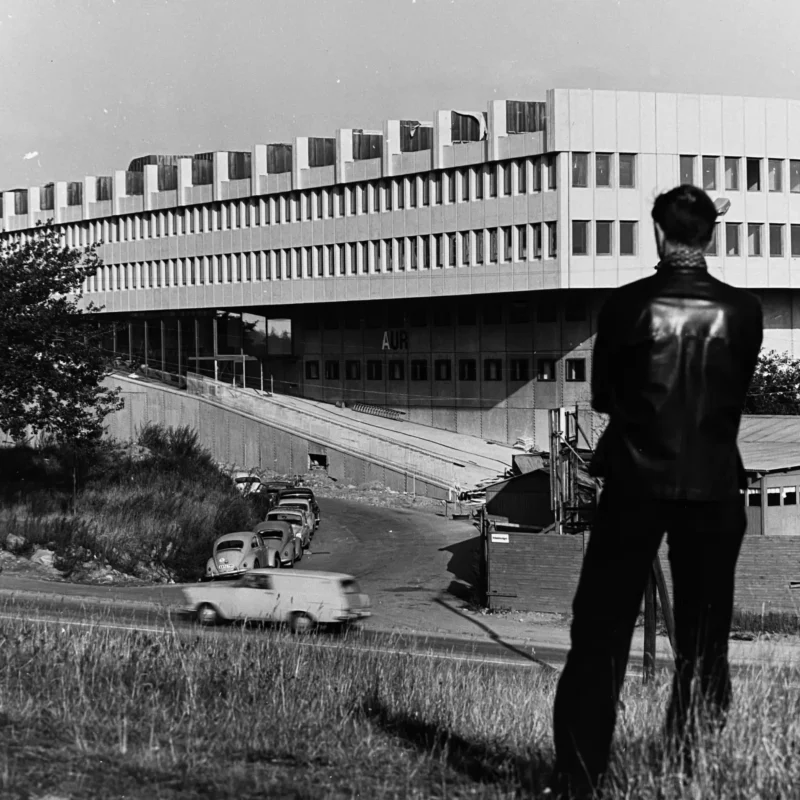
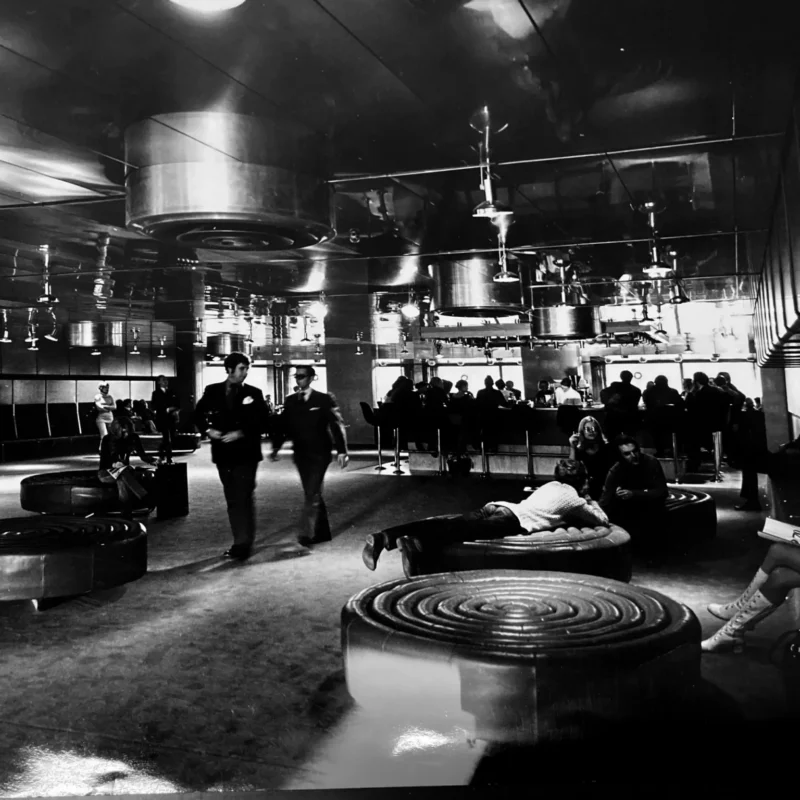
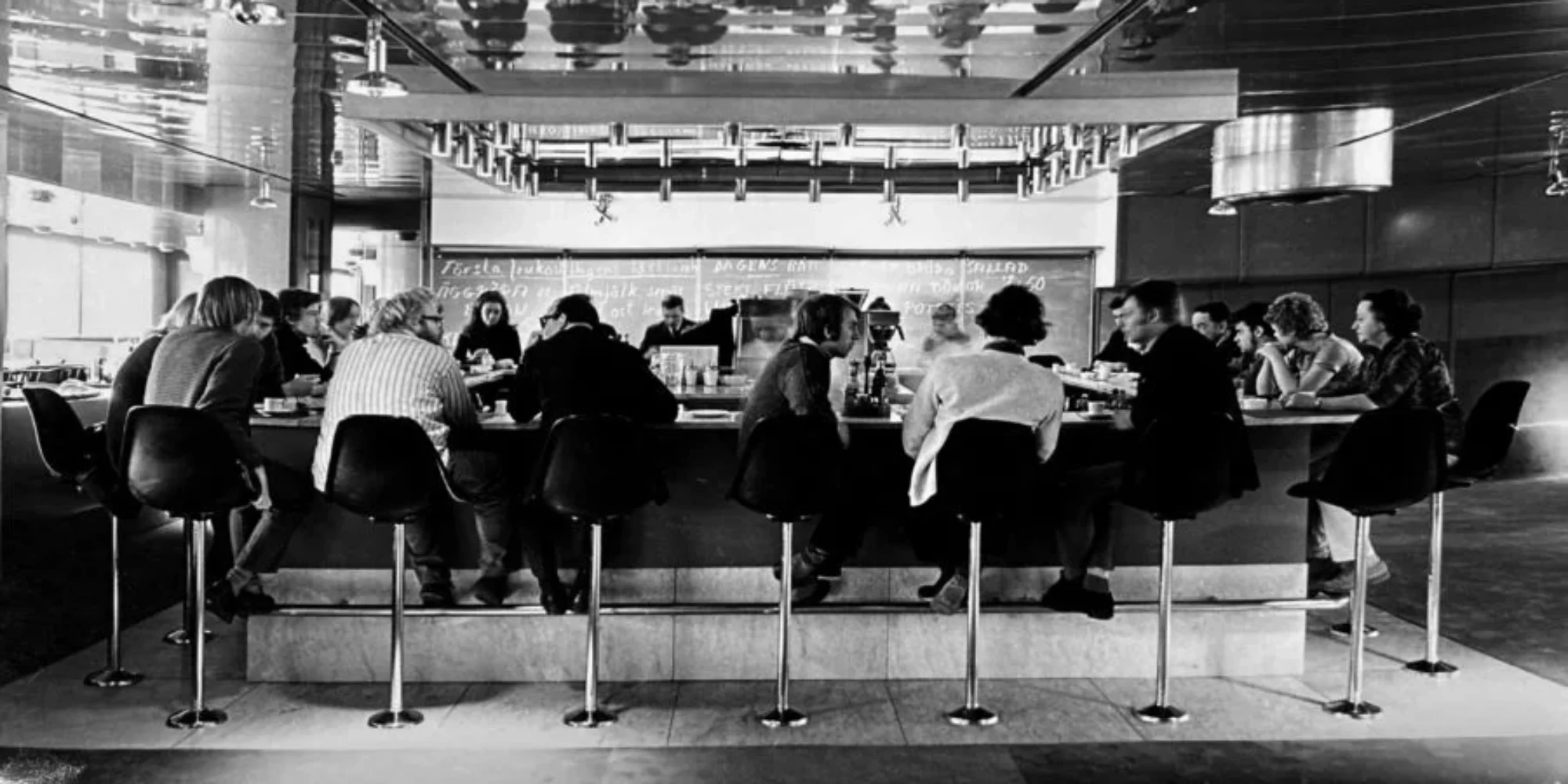
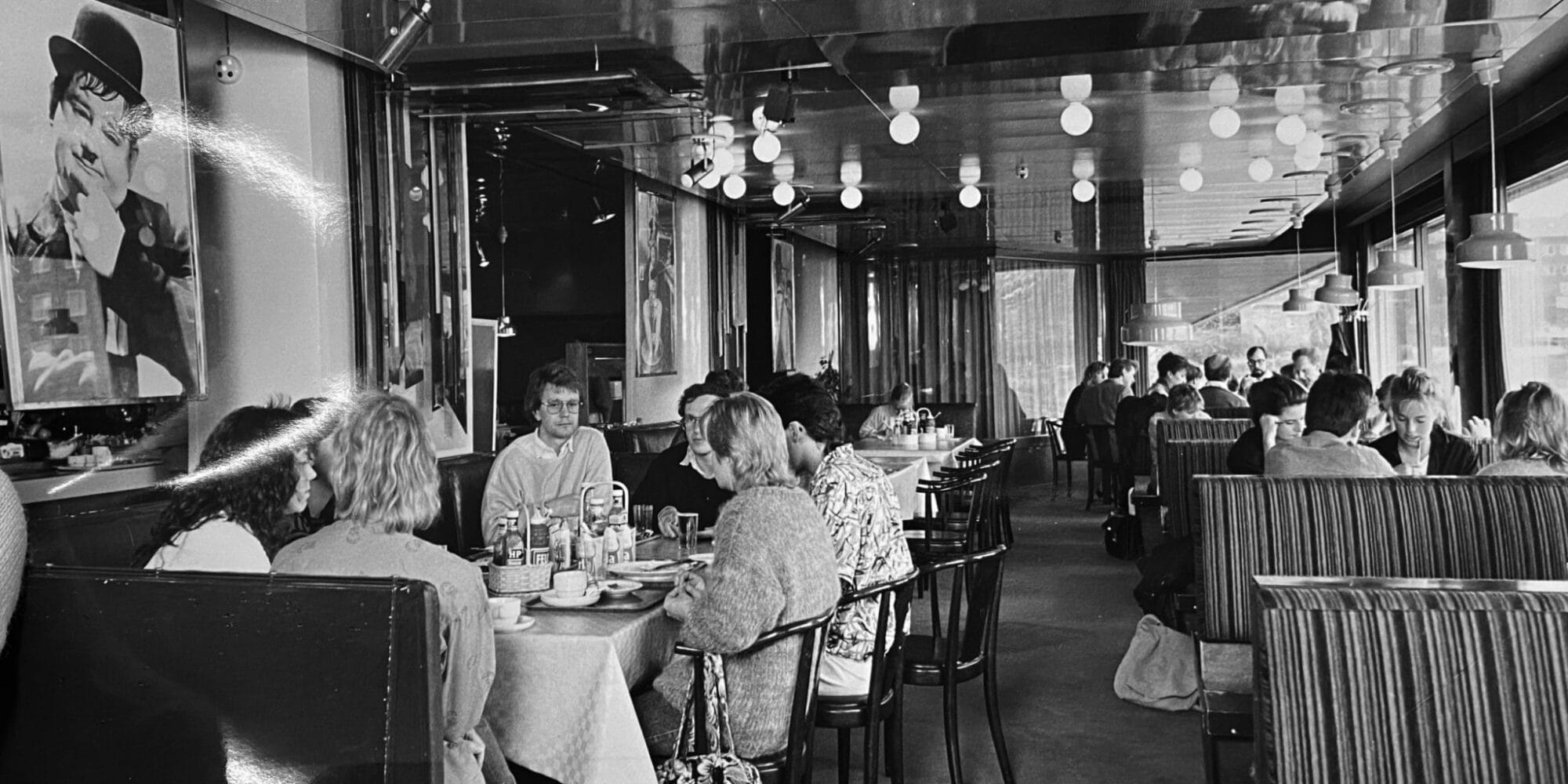
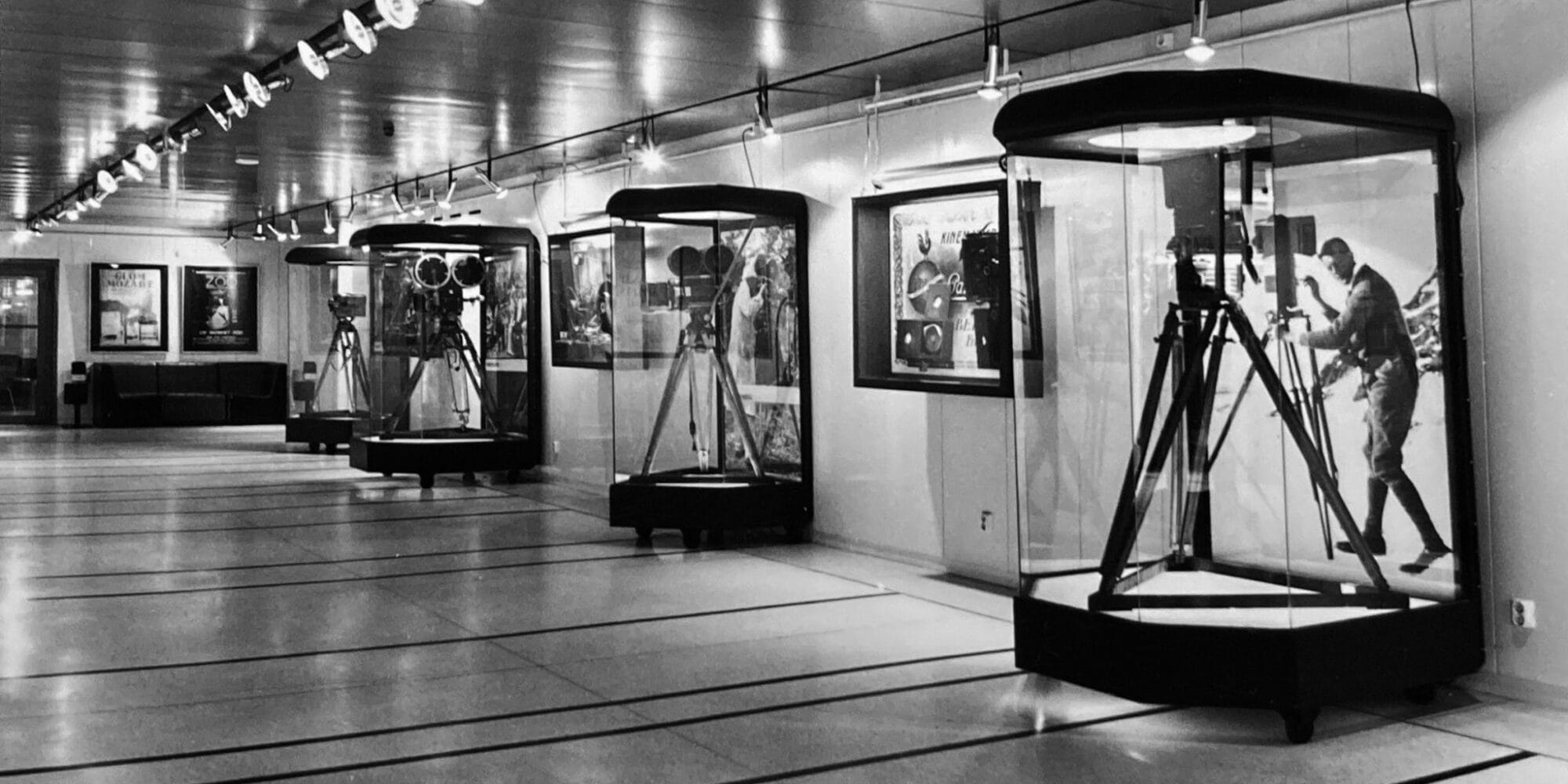
In the mid-1960s, SFI decided it was time for its own building. Schein tasked architect Peter Celsing with the project, giving him the brief: “No ordinary damn house!” He got exactly what he asked for — the brutalist design and its proposed location next to the Swedish Armed Forces headquarters made the project controversial from the outset. The original plan for windows facing the Armed Forces’ offices was rejected, and Celsing was forced to design a windowless side facade. As a playful dig at the neighbors, he included a large eye in the exterior.
In 2008, Filmhuset was modernized and today hosts several film-related organizations, including Cinemateket, the Swedish Arts Council, and various production companies. It also houses three cinemas: Bio Victor and Bio Mauritz (named after silent film legends Victor Sjöström and Mauritz Stiller), and Bio Julius (named after cinematographer and director Julius Jaenzon). The building also contains a library and one of the world’s largest film archives. A House moved in in 2020 with the mission of creating a vibrant hub for film and moving images.

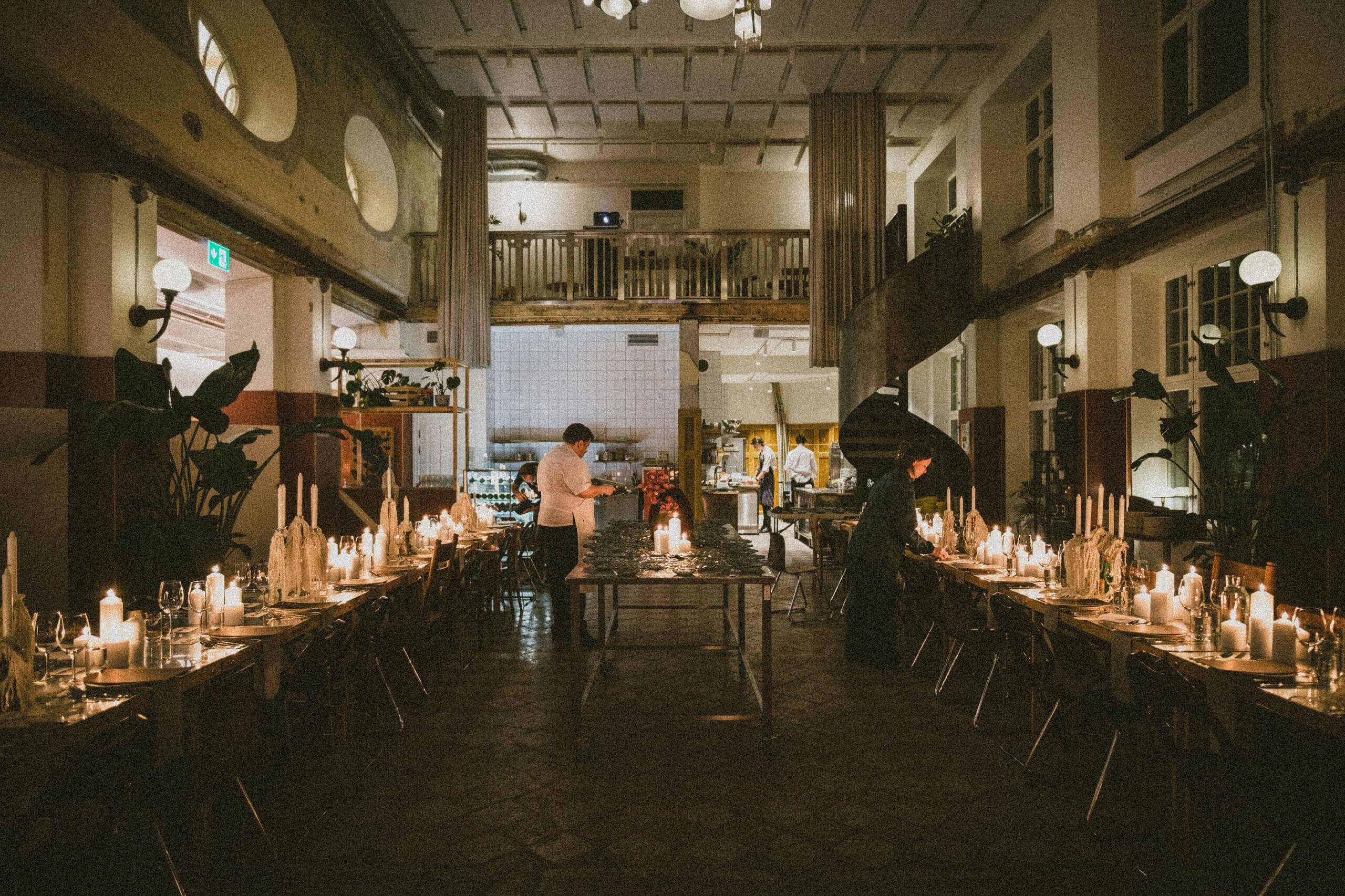
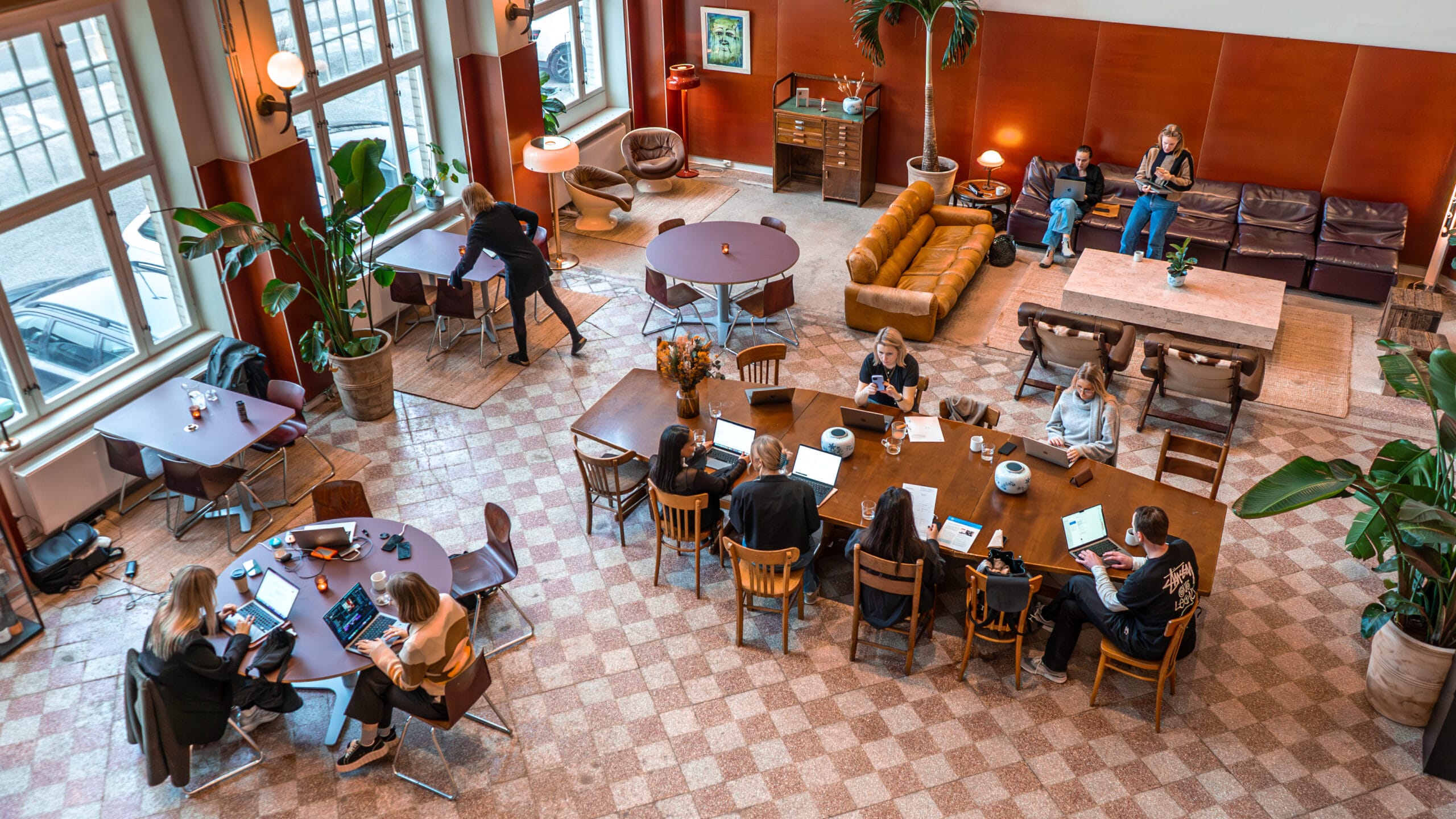
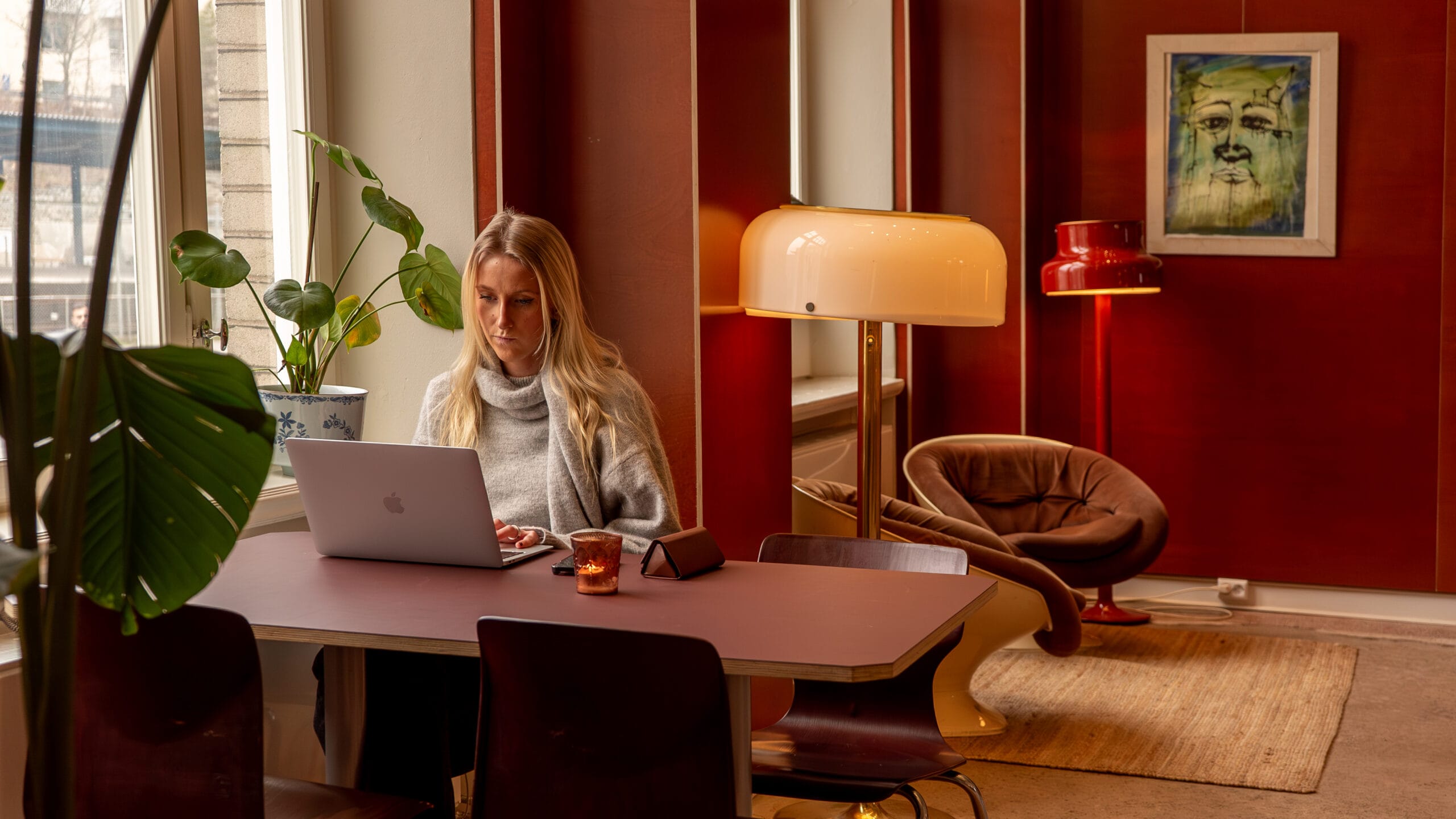
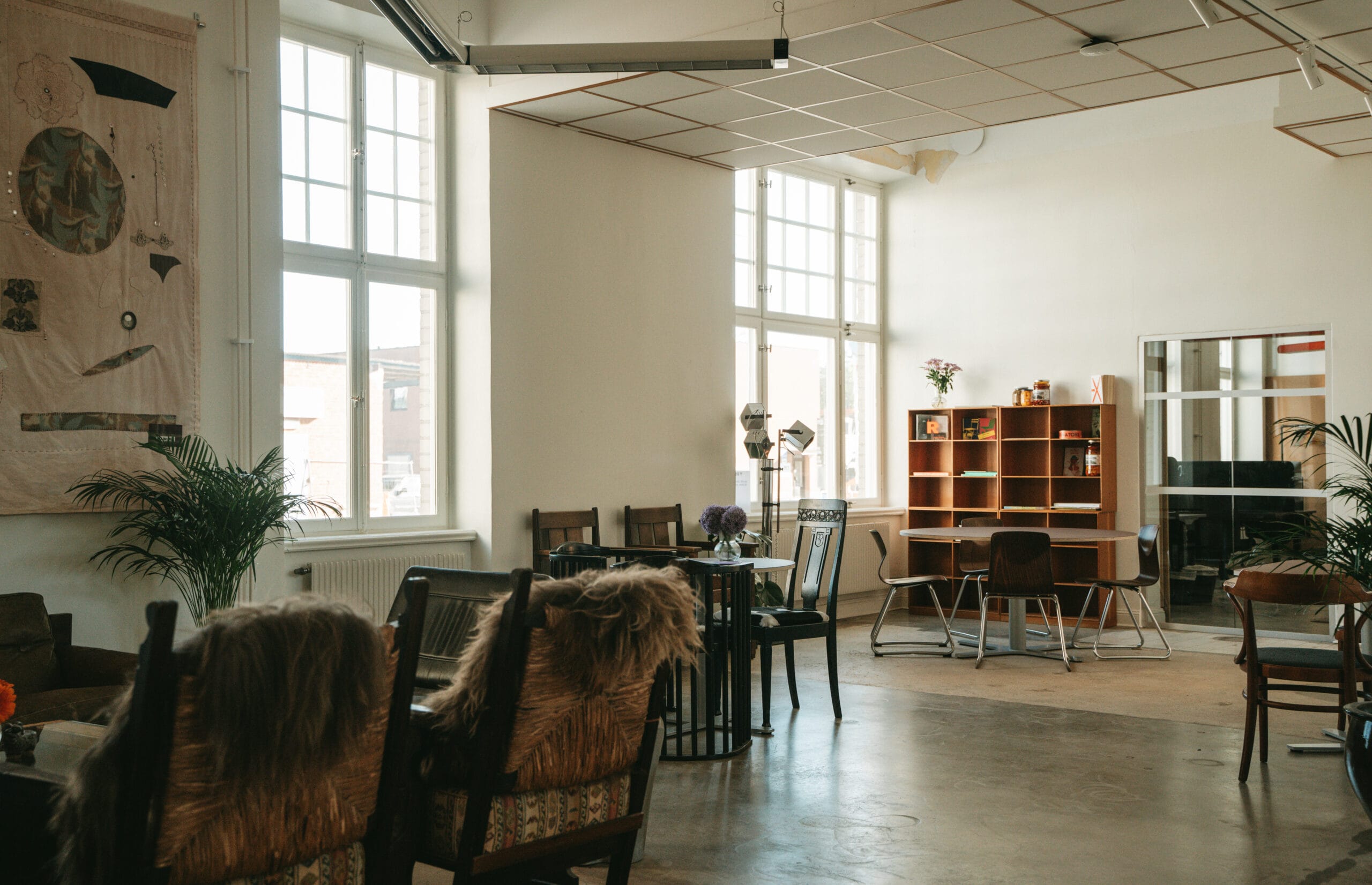
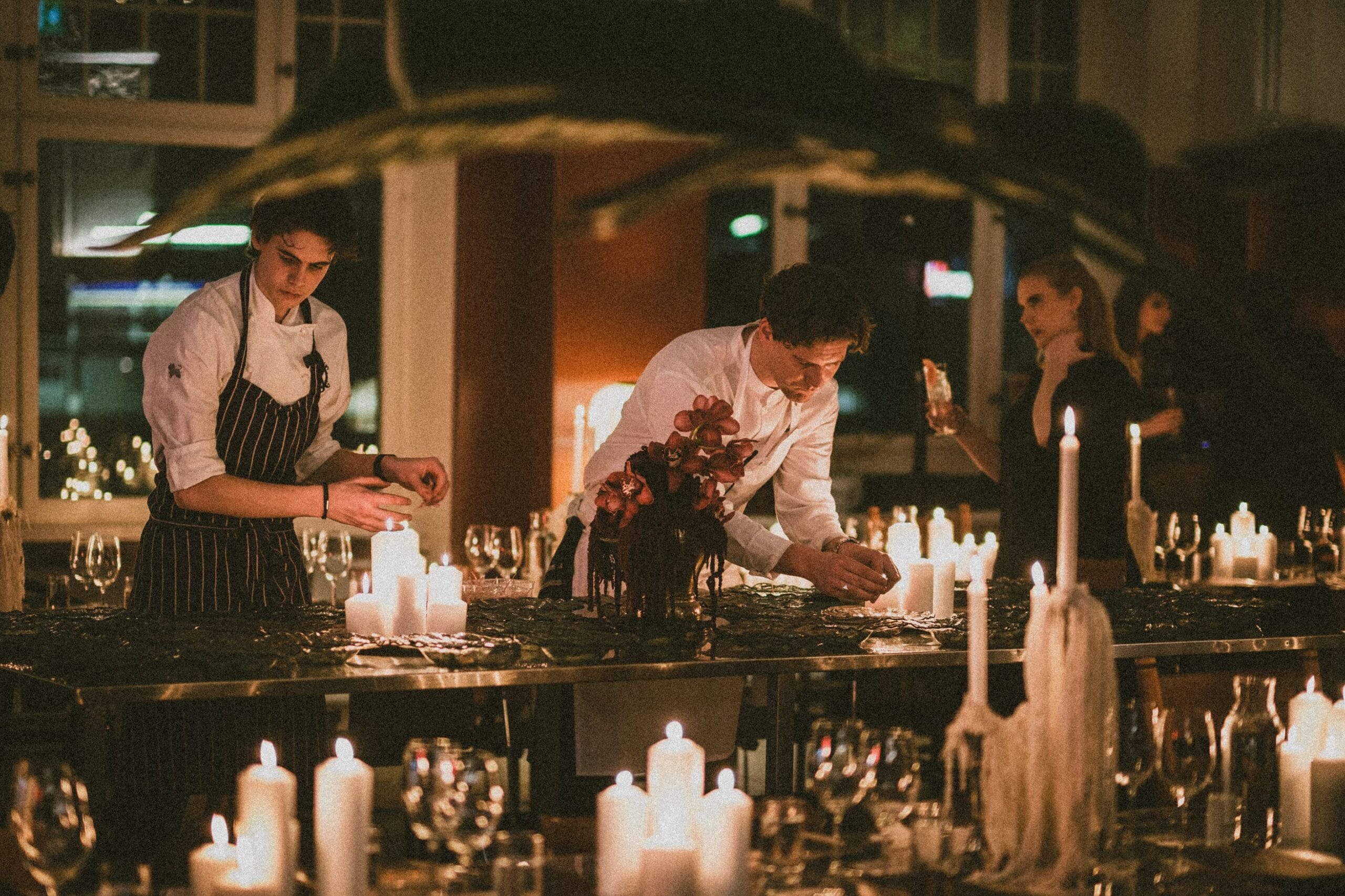
Fleshy Art Nouveau in creative neighborhoods.
Over the past decade, the Slakthusområdet district has been transformed into a hub for restaurant and culture enthusiasts. Popular venues such as SOLEN, Hosoi, Bar Montan, Fållan and Slaktkyrkan attract visitors in the evenings and on weekends. In the coming years, thousands of new homes, expanded public transport and more new restaurants will make the area even more attractive. Here, A House is creating a new meeting place for creative businesses, with a focus on music, design, food and drink.
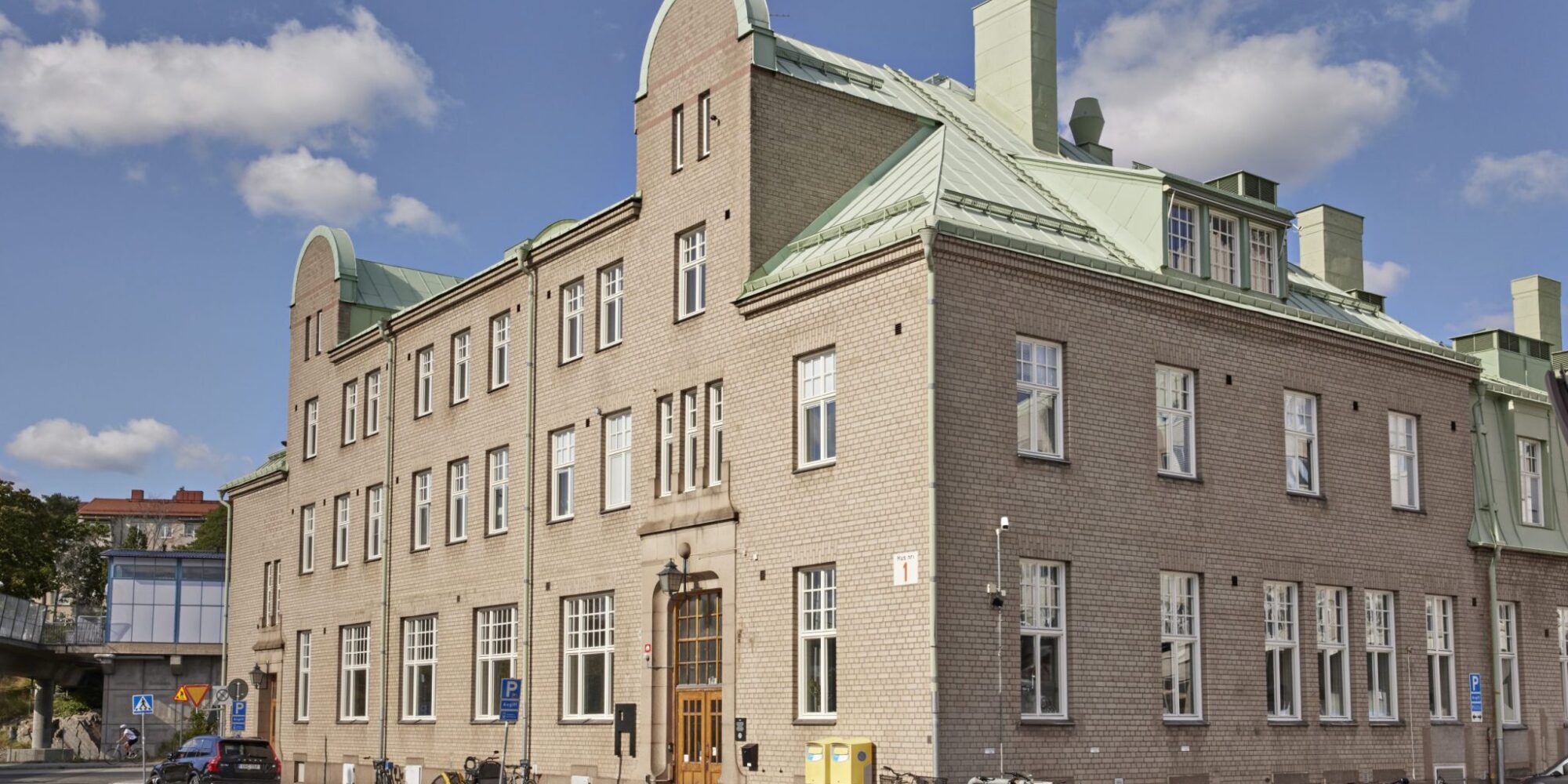
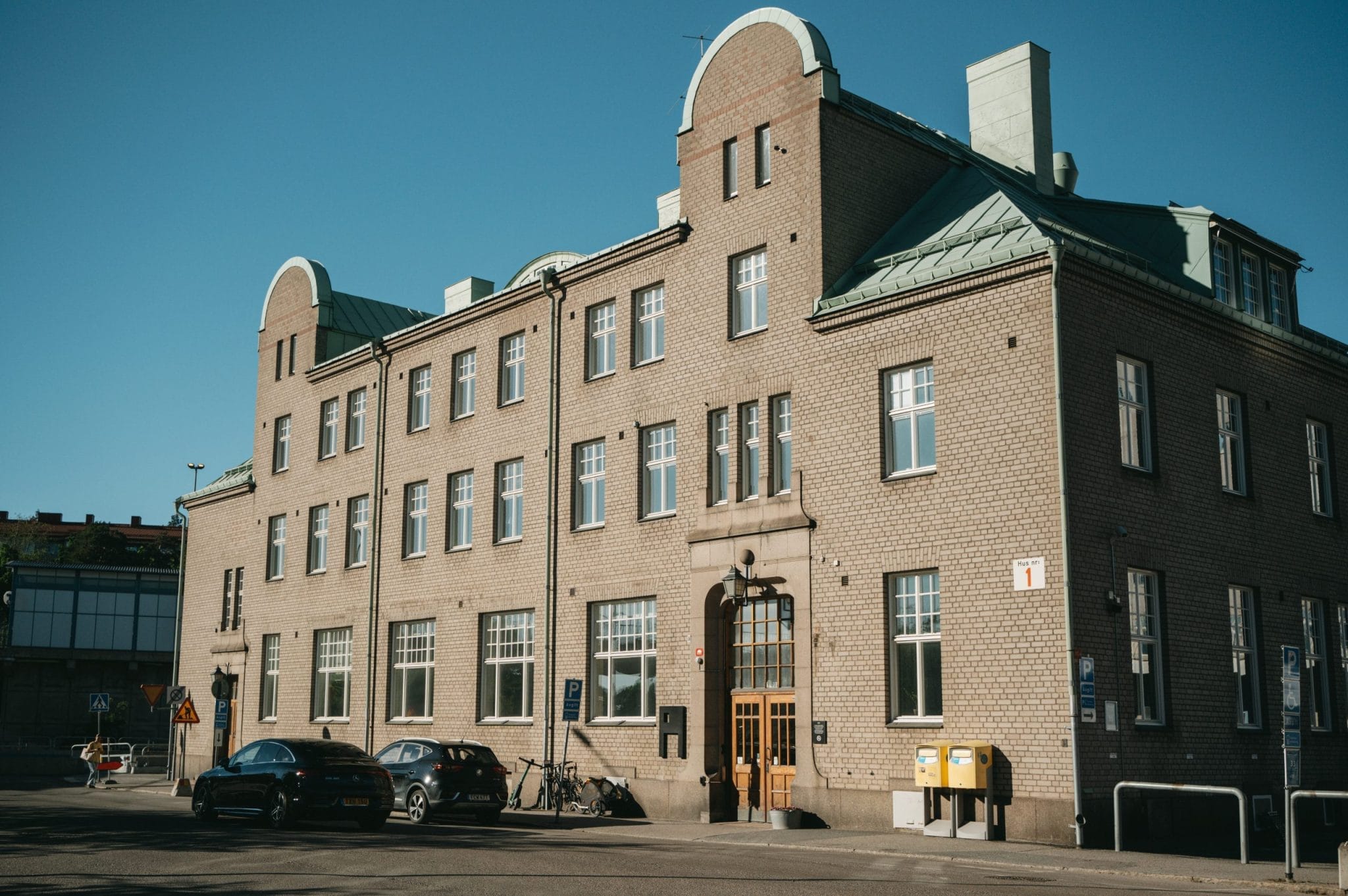
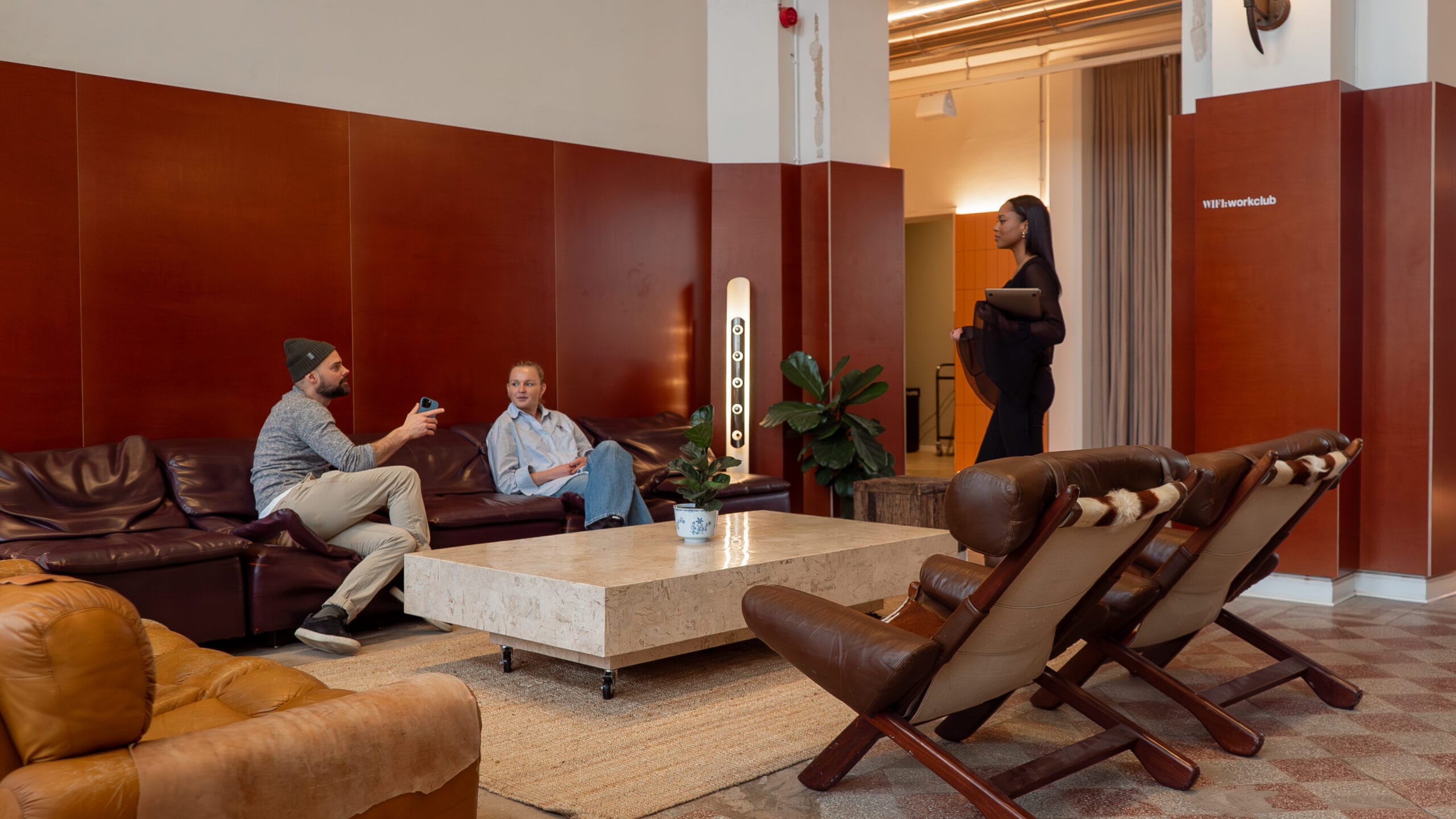
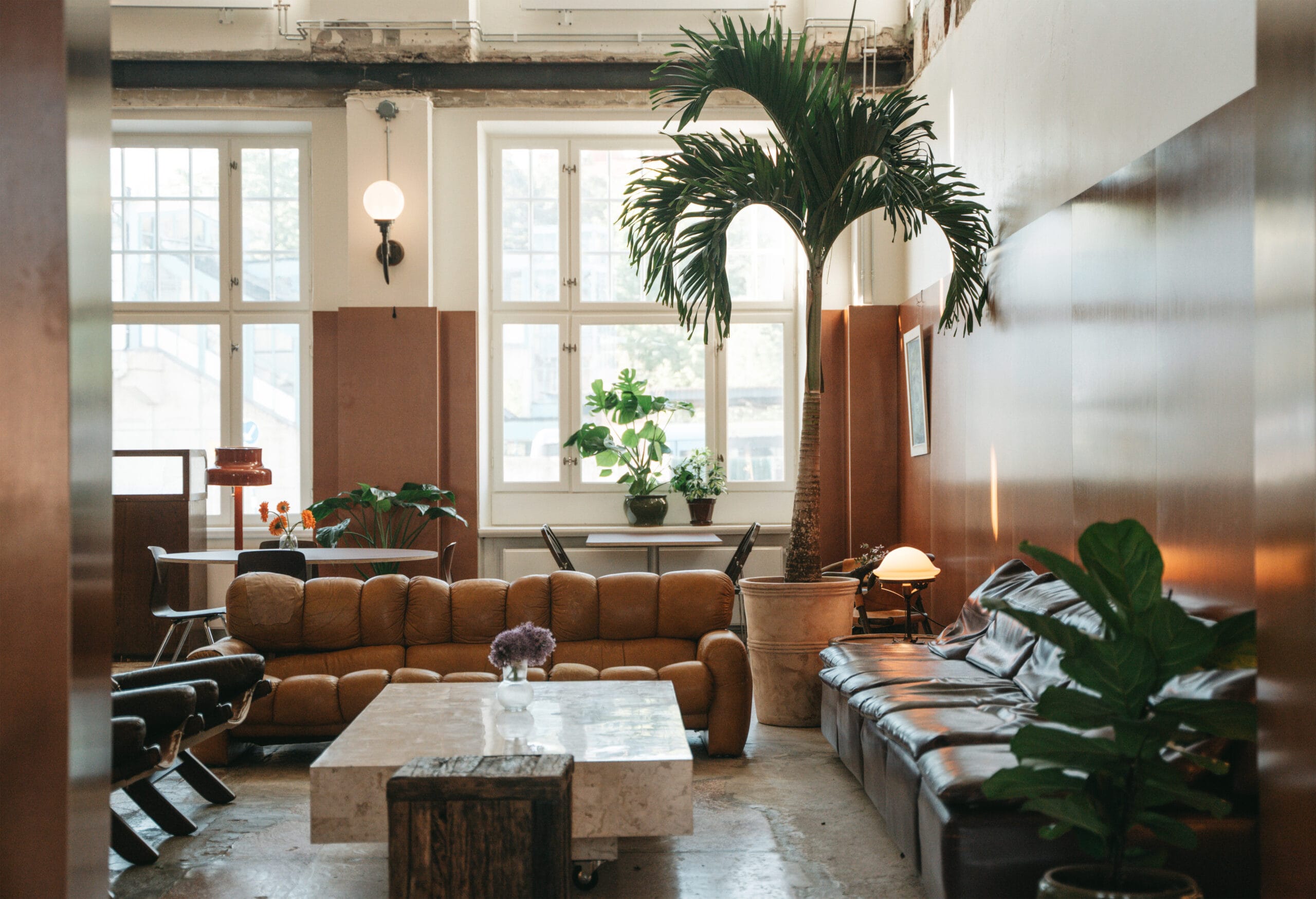
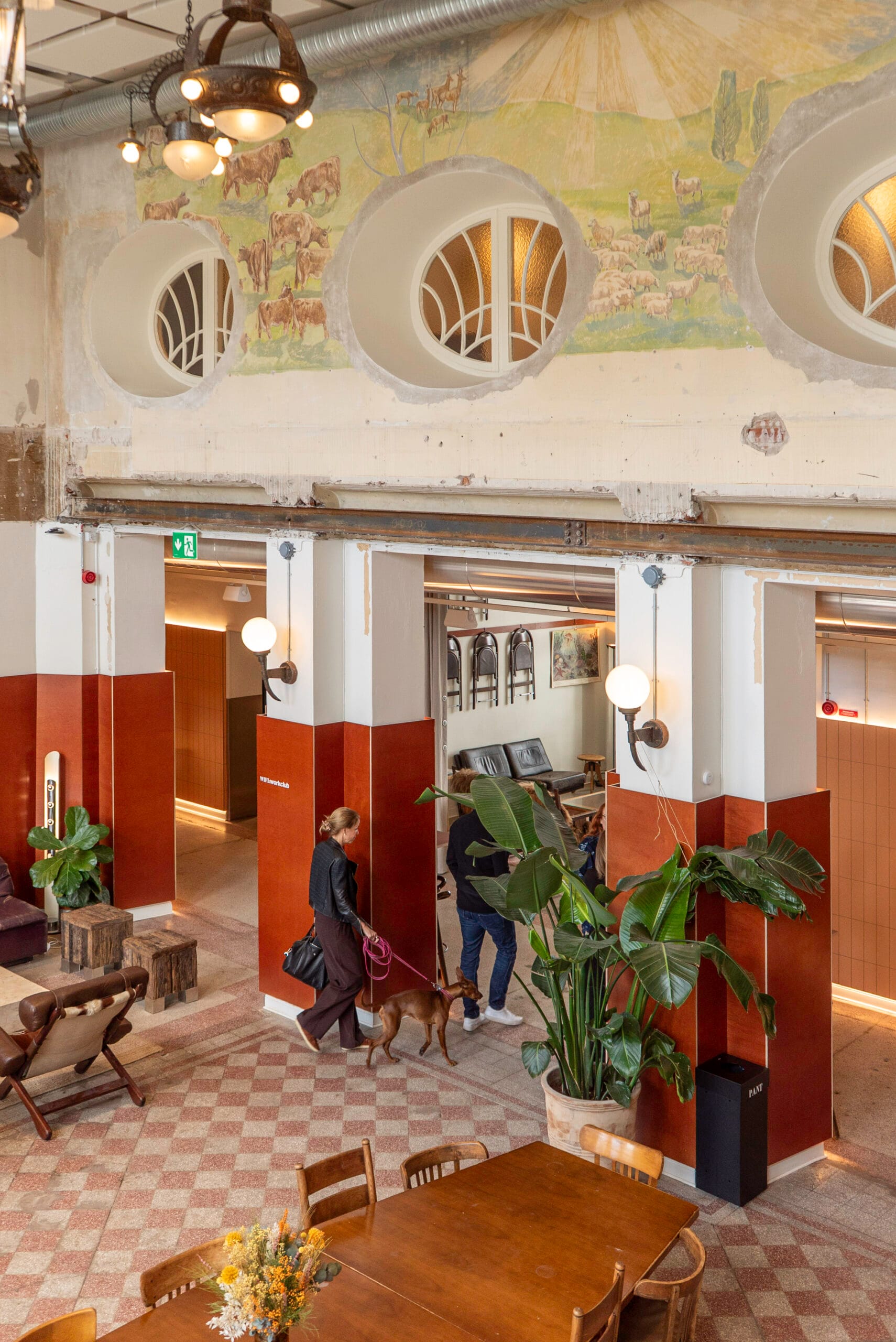
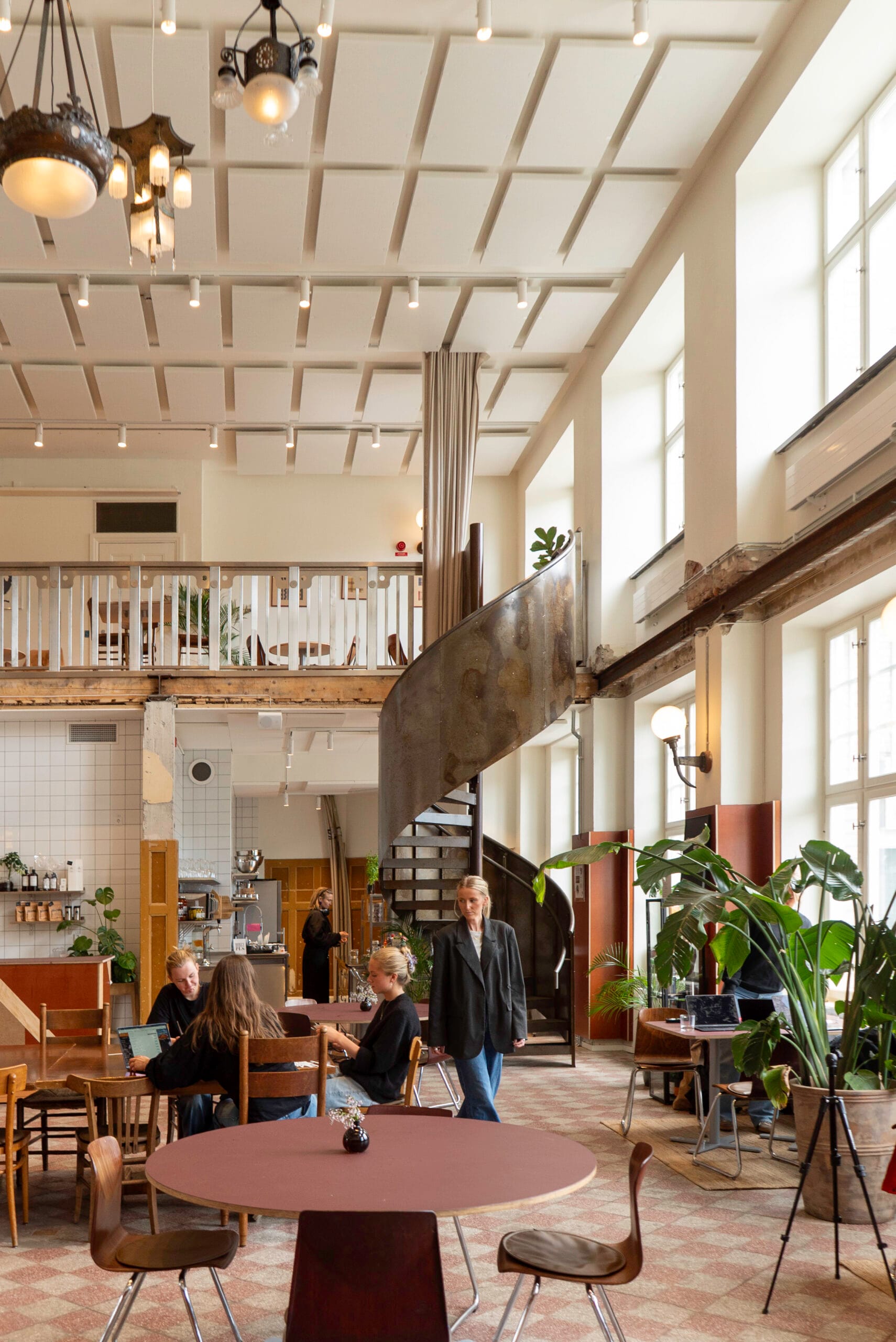
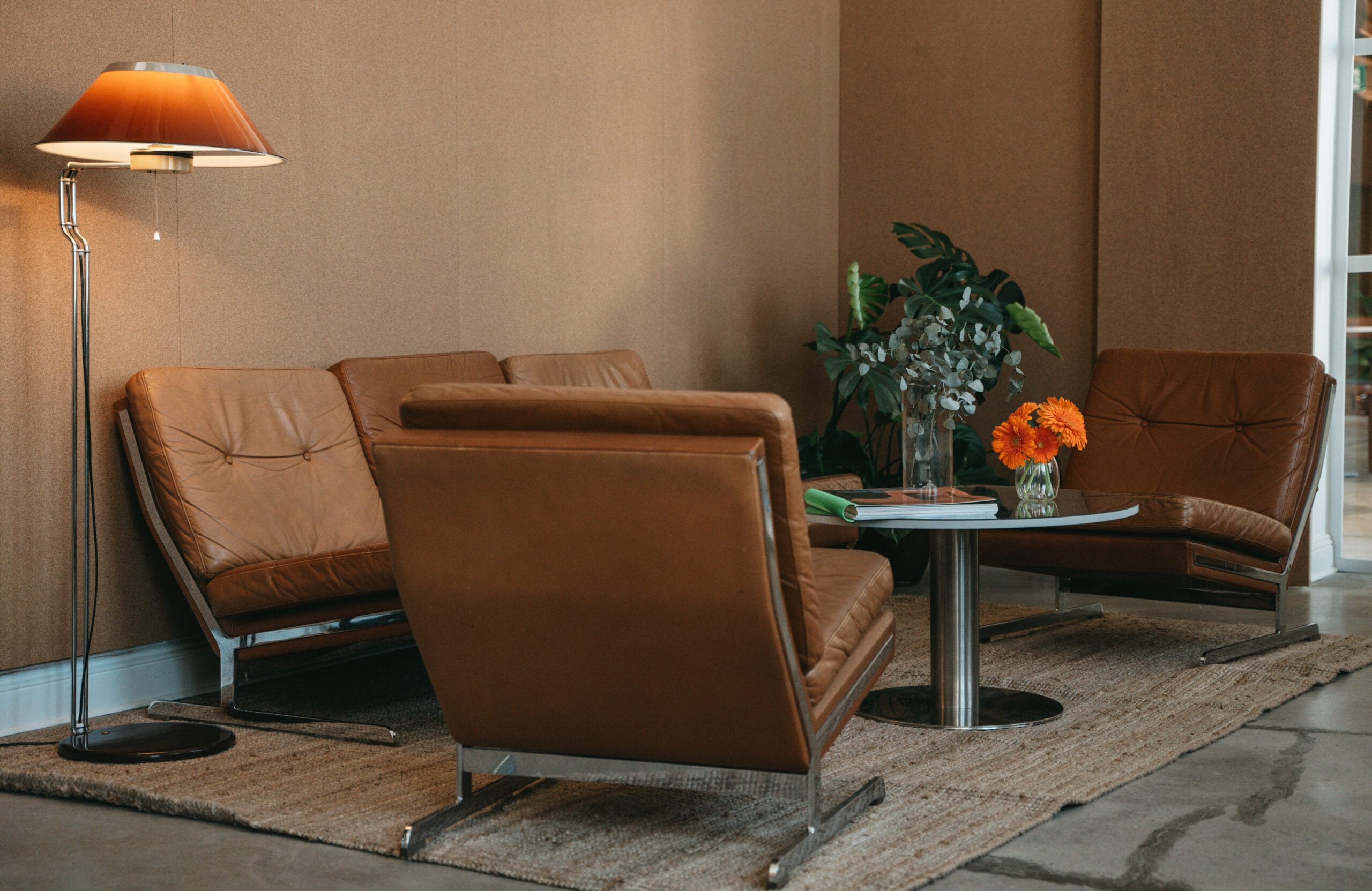
Börshuset has a long history in Slakthusområdet. Since it was inaugurated in 1912, the building has served, among other things, as a meat exchange, telegraph and national telephone station, bank, police station, post office, hotel and restaurant. A House has unearthed the building’s original soul and today offers creative coworking in an environment themed around meaty Art Nouveau.
A House Börshuset is much more than just coworking. We offer inspiring environments where creatives can grow and find both new collaborations and a sense of belonging. The recipe is personality, new business opportunities, inspiration, learning, culture, food and drink. Constant development, contrasts and unexpected experiences — but also ingredients we cannot put into words, which, according to our members, are what make A House unique.
Facts about the house
A House Börshuset was designed by architect Gustaf Wickman and was completed in 1912. The building was intended to house livestock trading, but quickly became a place for everything from a bank to a police office. Today, it is home to event and office spaces, coworking and studios. The interior is defined by the concept of meaty Art Nouveau.
- Event space, 150 m²
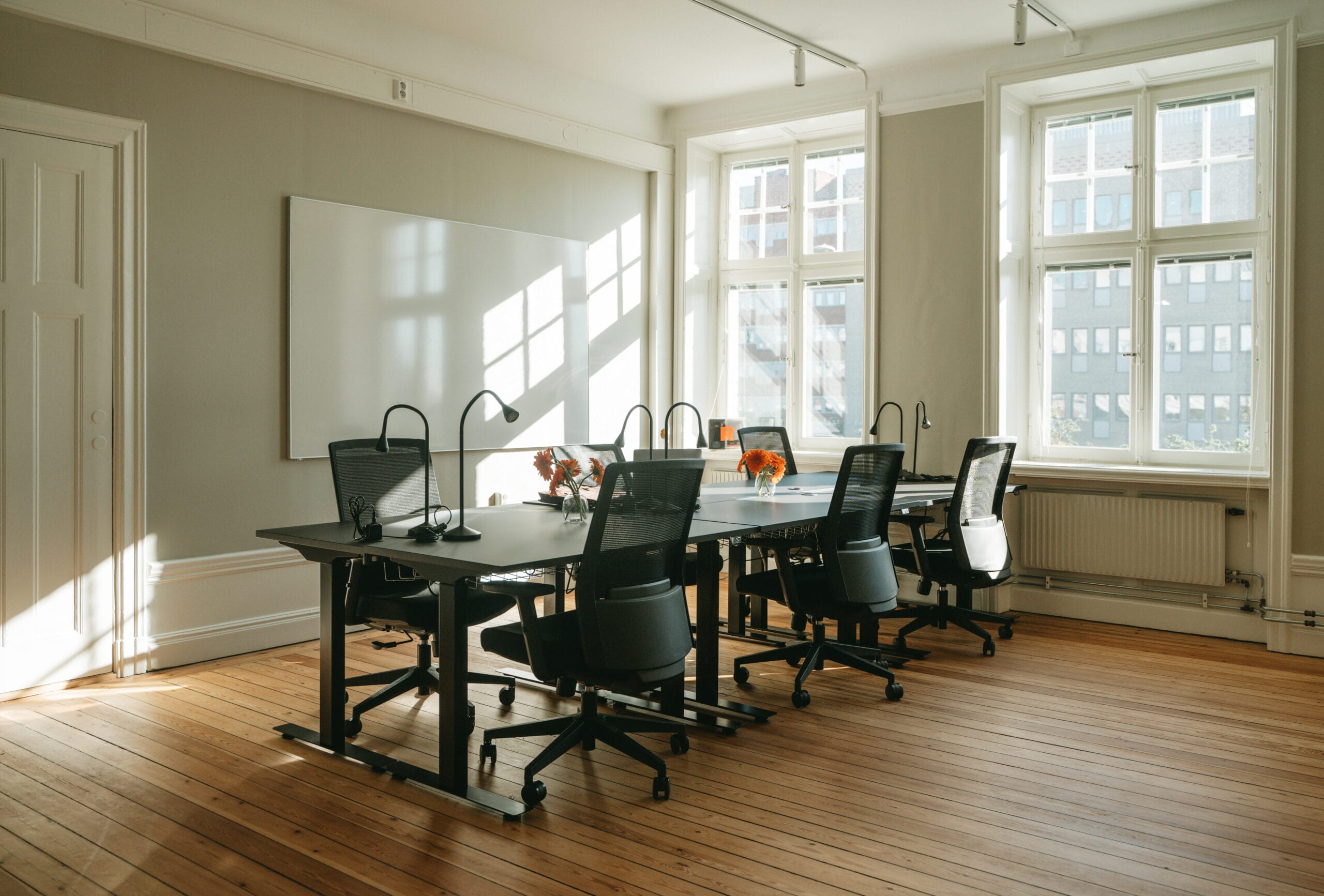
- Coworking, 1 800 m²
- Lobby, 30 seats
- Workclub, 8 places
- Studios, 20 units (11-24 m²)
- Larger offices, 3 (100-250 m²)
Hours front desk
Veckodagar 8:00 – 17:00 / Helger stängt
Medlemsaccess 24/7
Contact
Slakthusplan 3, 121 62 Johanneshov
borshuset@ahouse.se
+46 76 603 44 82
Membership
As a member of our community, you get access to activities that make it easy to find new collaborations. Breakfast, yoga, lectures, and after-work drinks are just a few examples. Choose between a lobby membership, a fixed spot in the workclub, or your own office space (studio). If you have other requests, we will tailor an arrangement that suits you. Most things can be arranged.
Event venues
Our destinations include a variety of event venues, each with its unique history and quirky interior design concepts. They’ve hosted everything from fashion shows and concerts to art openings, birthday parties and conferences. We are curious about what will happen next.
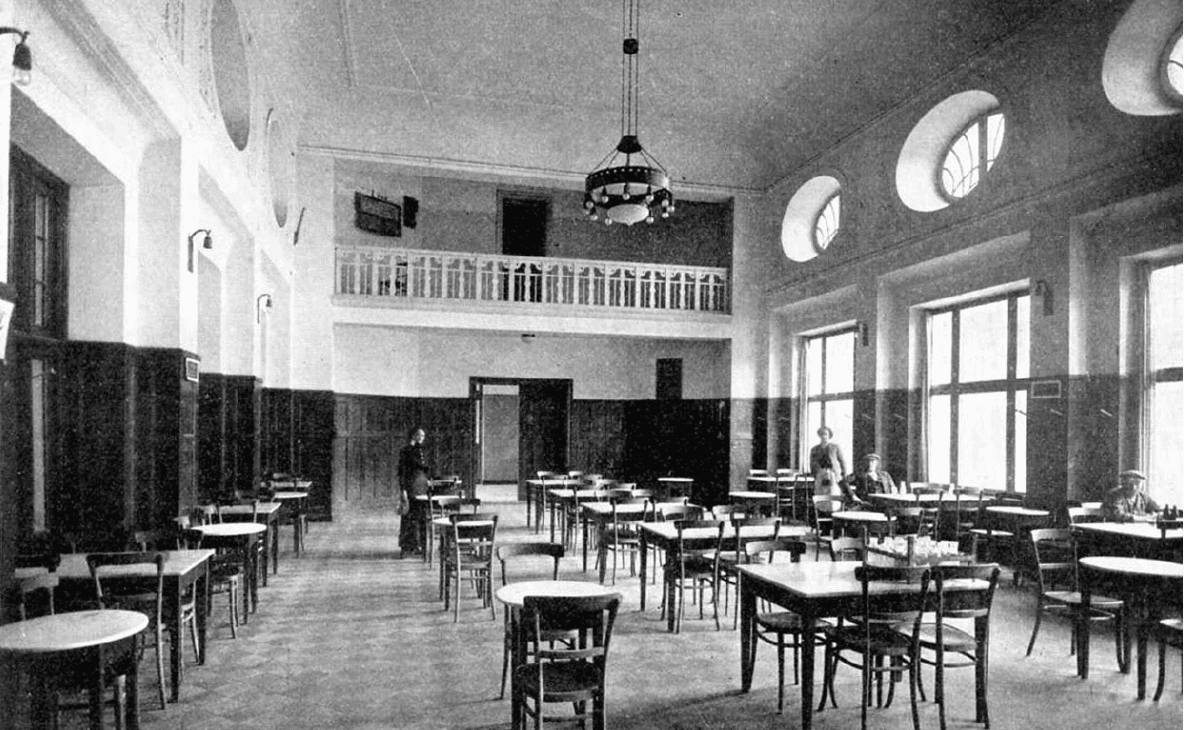
From cattle to creators
Bank, meat exchange, police office… Börshuset has shown new sides since 1912.
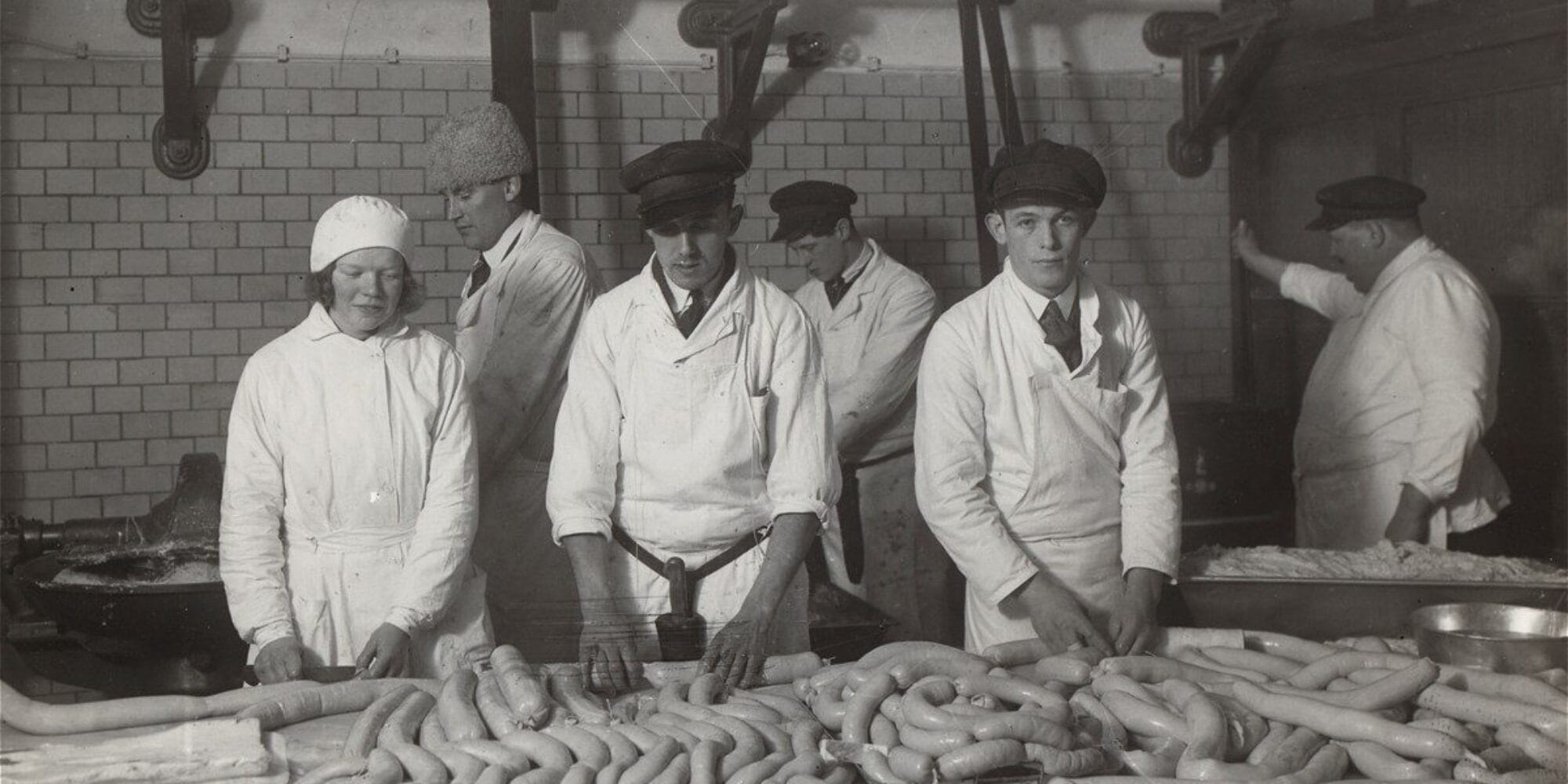
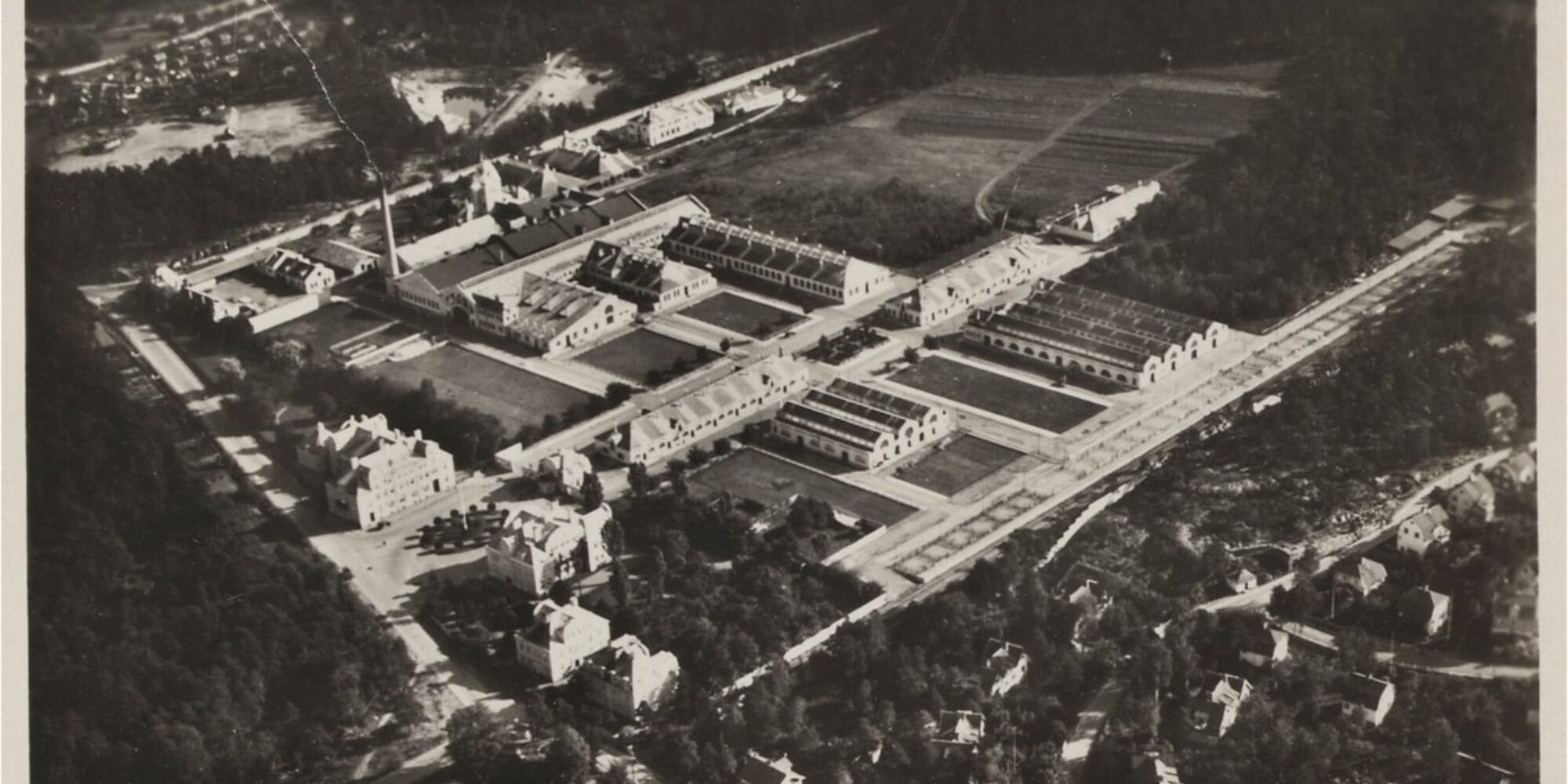
Plans for a public slaughterhouse outside of Stockholm began in the late 1800s. Architect Gustaf Wickman held the pen when the marshland in Johanneshov was to be transformed into a 28,000 square meter livestock market area. On January 31, 1912, King Gustav V cut the ribbon to inaugurate the new era of the meat industry.
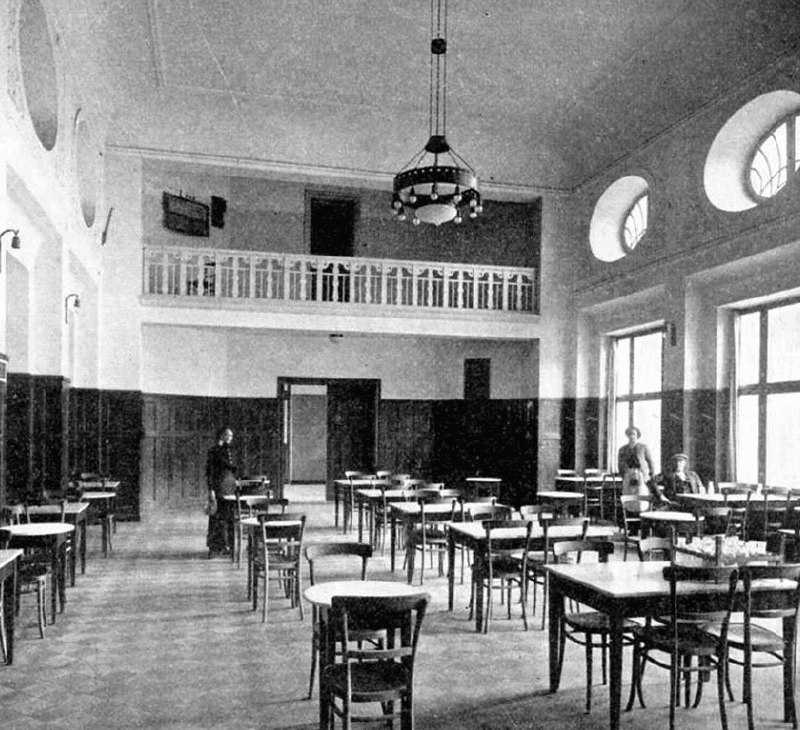
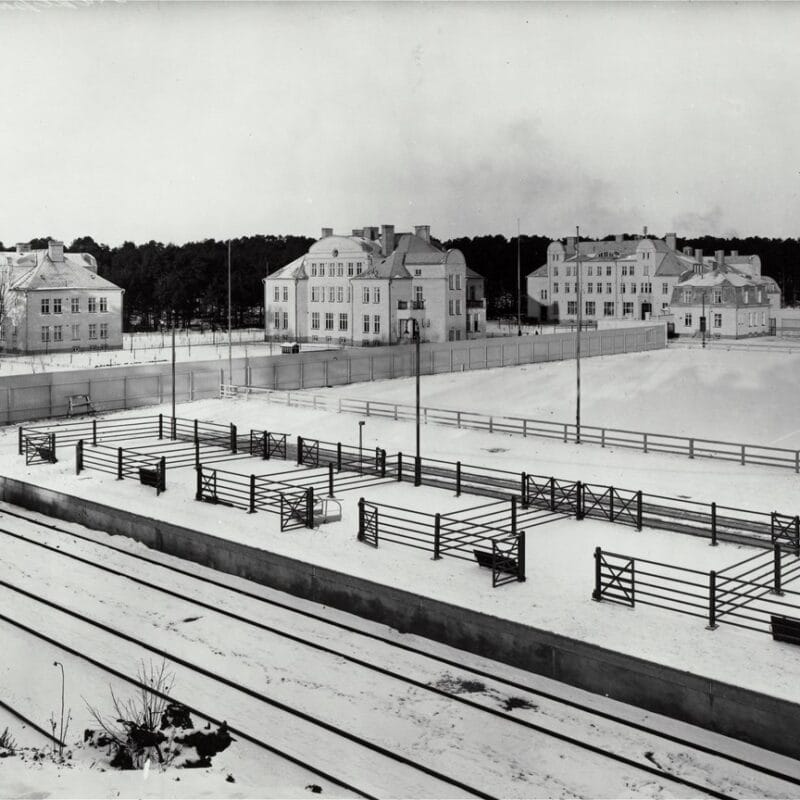
Börshuset — a three-story Art Nouveau building — was placed at the entrance to the area. With its characteristic ox-eye windows, irregular design, and facade in sand-lime brick, it stood out from the surrounding buildings. The house was primarily intended for commissioners who mediated livestock transactions but soon became a place for much else: bank, food storage, telegraph and national telephone station, police station, post office, hotel, and restaurant. It is easier to say what Börshuset has not been.
The house’s vintage features have been revealed during the renovation. We’ve found beautiful stone floors under plastic carpets and stunning ceiling paintings behind rebuilt beams. They are now part of the interior, which is described as fleshy Art Nouveau.
For over a hundred years, Börshuset has been a place where people from all sorts of industries have met and exchanged experiences. Now A House is carrying on the tradition.
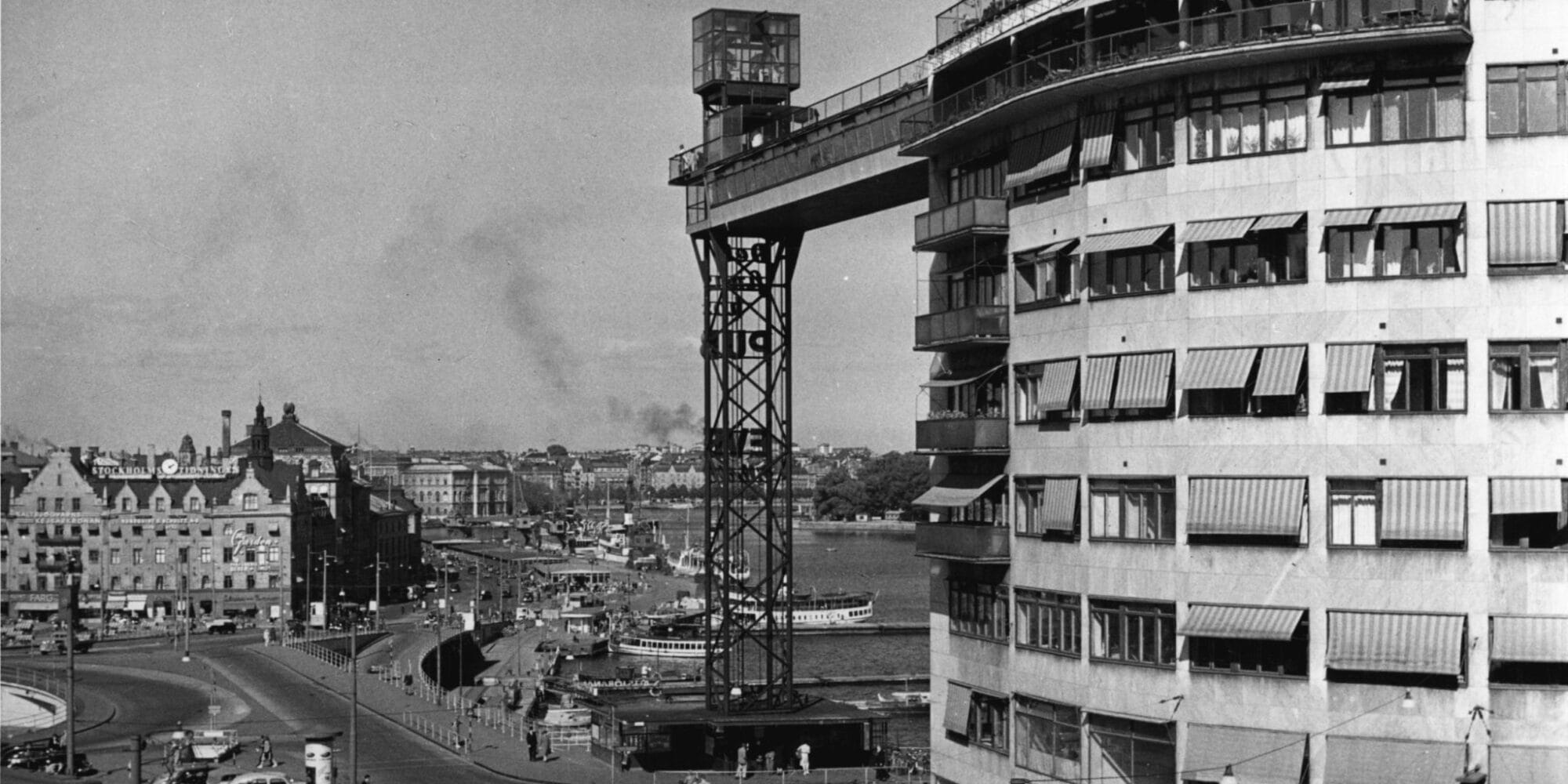
Over the past century, Stockholm has gone from a poor port city to a metropolis. When Katarinahuset was built, it was in a city that looked completely different. Since then, the building has witnessed the salvage of the Vasa ship, the conversion to right-hand traffic, the maiden voyage of the Katarina elevator and tens of thousands of sunsets over the rooftops from the front row.
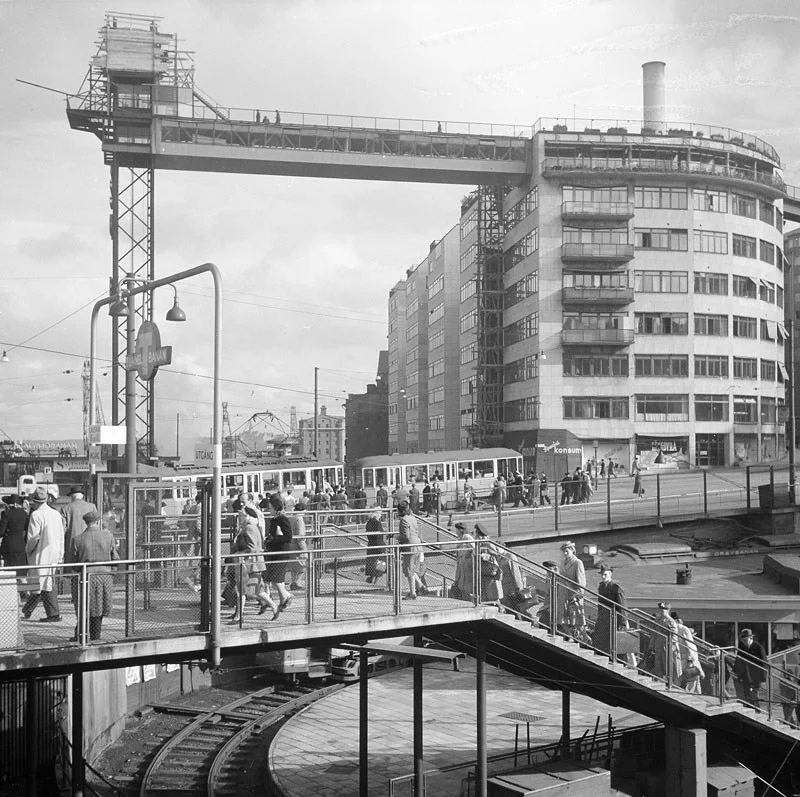
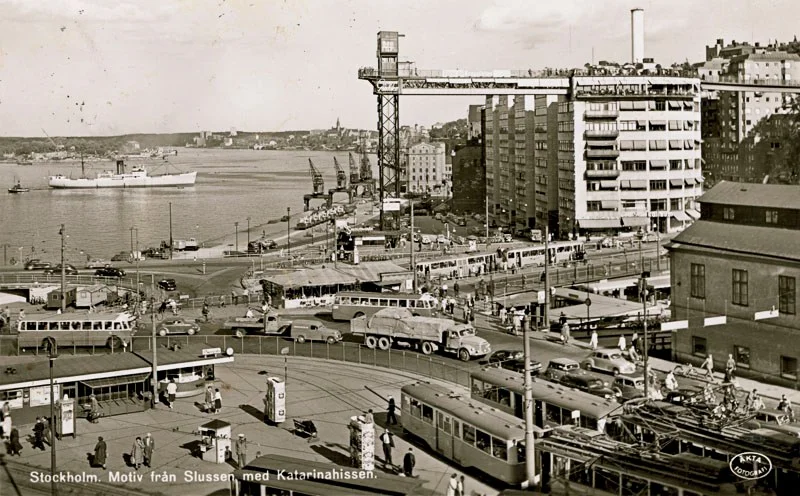
Together with the city, Katarinahuset has grown and changed its appearance. The original building was designed by architect Gustaf Wickman and built in 1909 as a residential and office building in heavy brick architecture. During the glory days of functionalism, Katarinahuset was connected to several other building structures and clad in a typical marble costume. This was commissioned by the Kooperativa förbundet (Cooperative Association), which gave the building the nickname KF-huset. The retail space on the ground floor initially housed a Special-Konsum, and later Kvickly and Domus. At the top of the Katarina Elevator, KF’s symbol of eternity was enthroned. From its location on Söder’s heights, Katarinahuset became an early example of architecture as marketing, and together with the newly built Slussen Carousel, it formed a symbol of Sweden’s optimism for the future.
When A House opens Katarinahuset for a new generation, we do so with great respect for the building’s soul and history, but also with the conviction that it is time for something completely new. The floor plans will meet the needs of today’s Stockholmers and are decorated with the keywords functionalist avant-garde. KF’s iconic eternity logo has been given a new look and become a symbol of the building. The view has been left untouched.
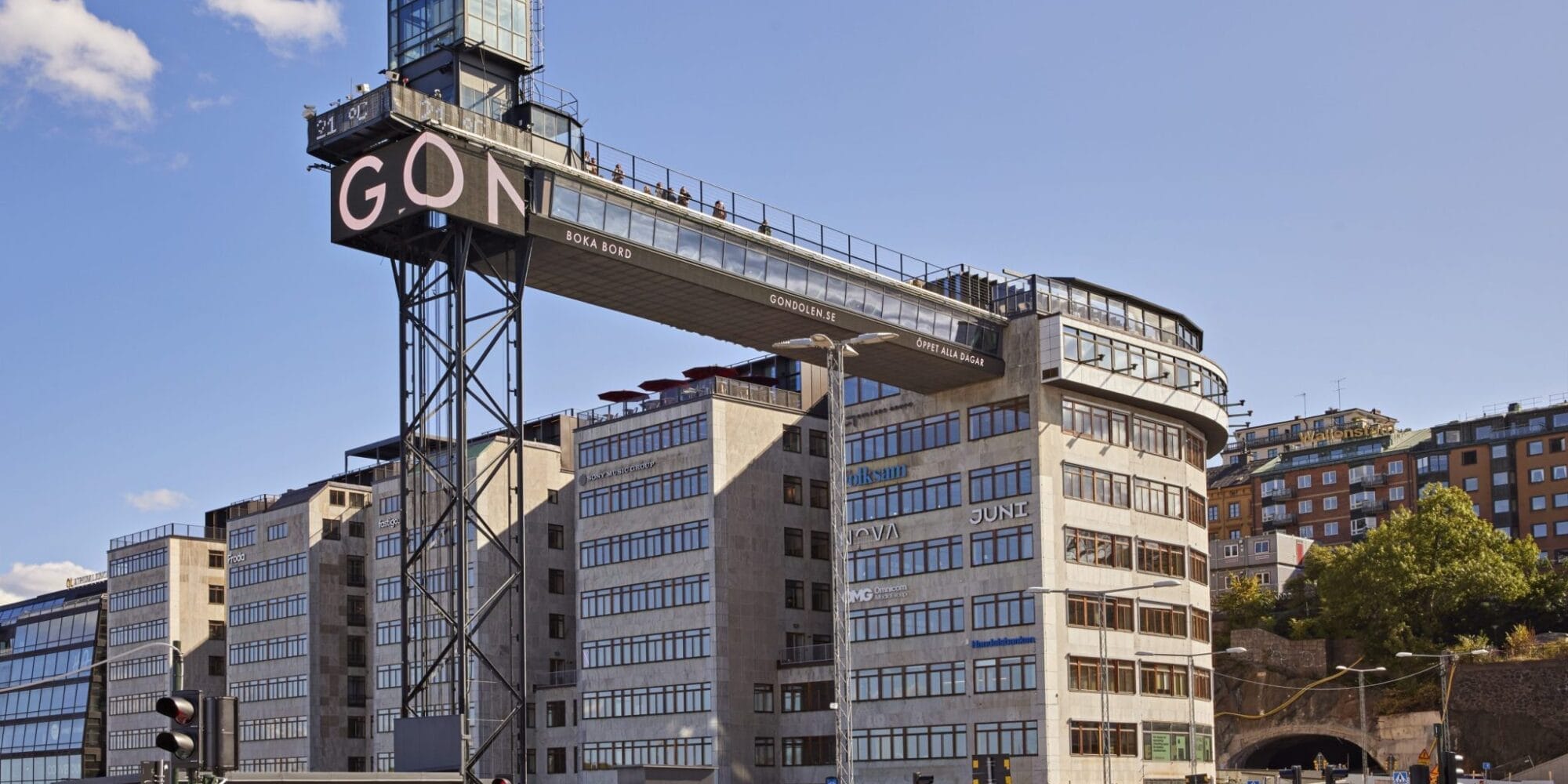
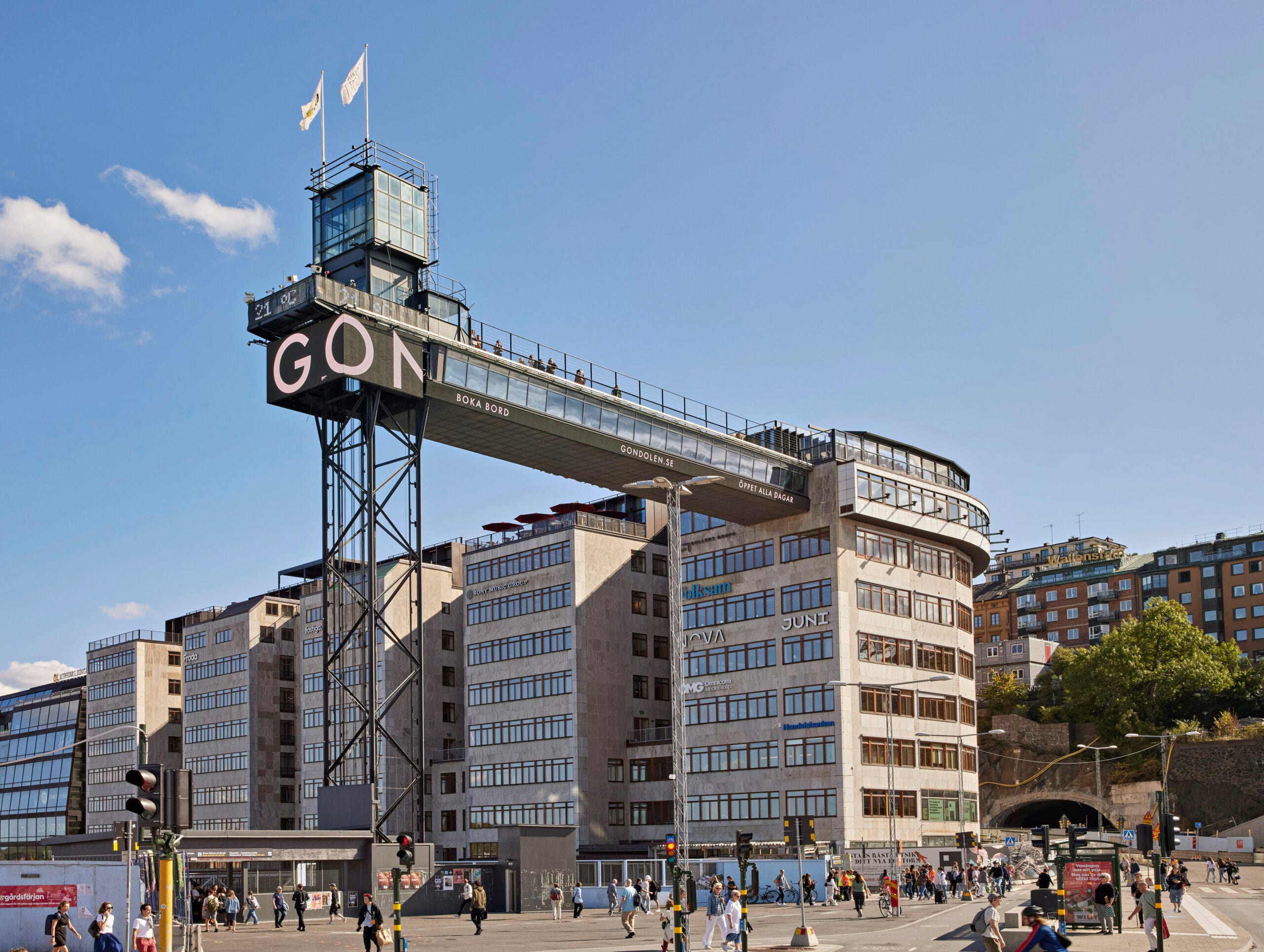
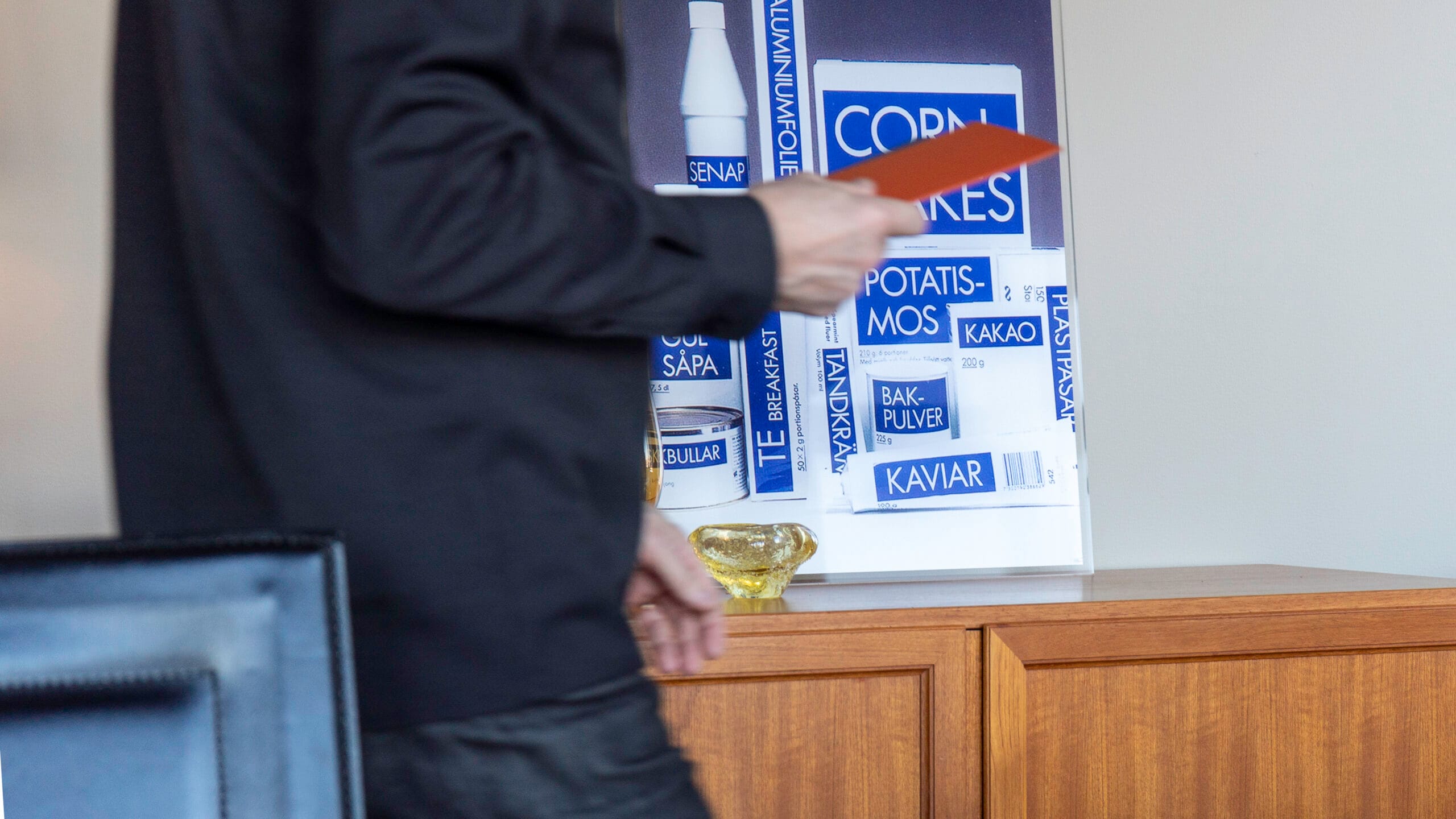
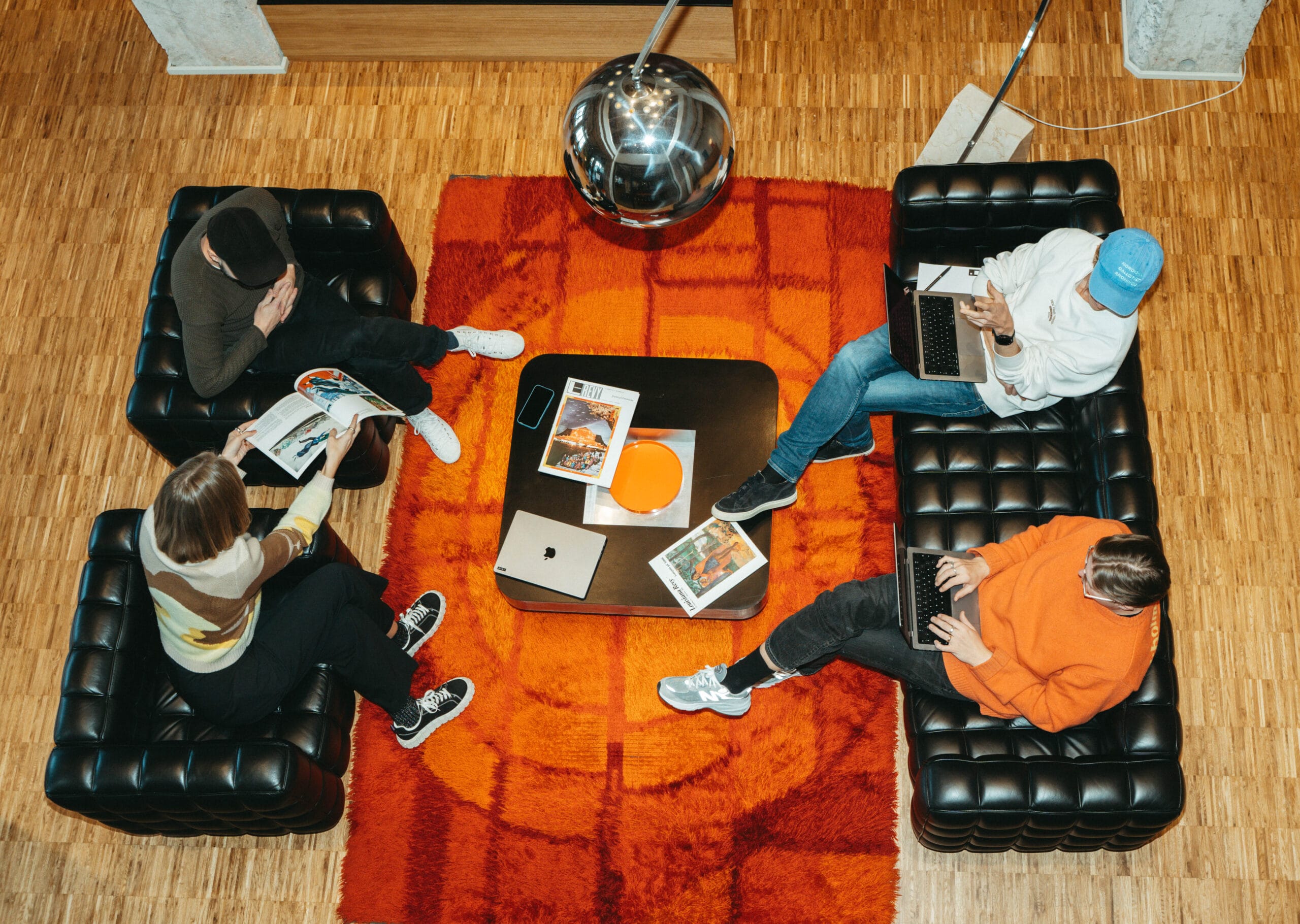
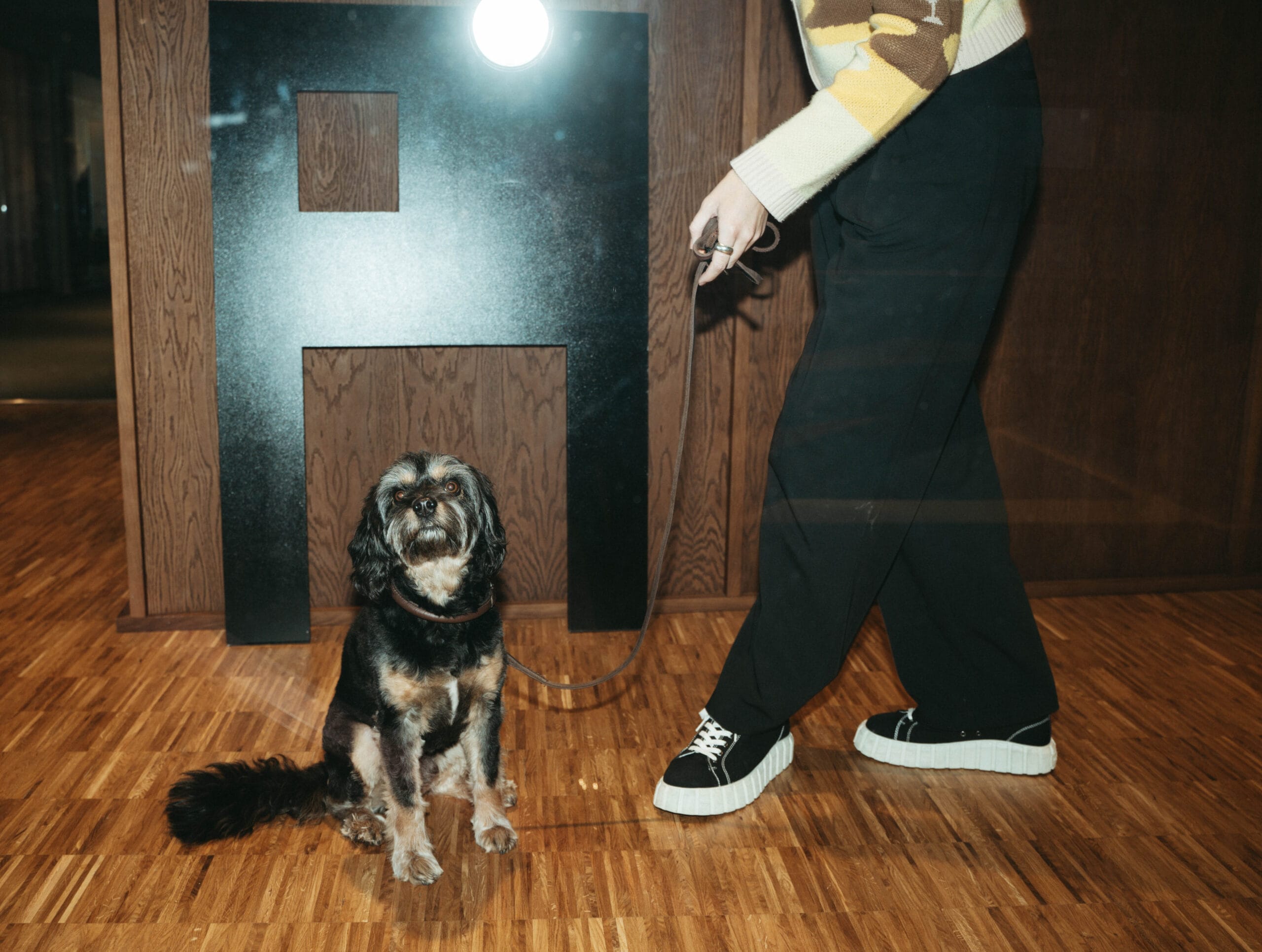
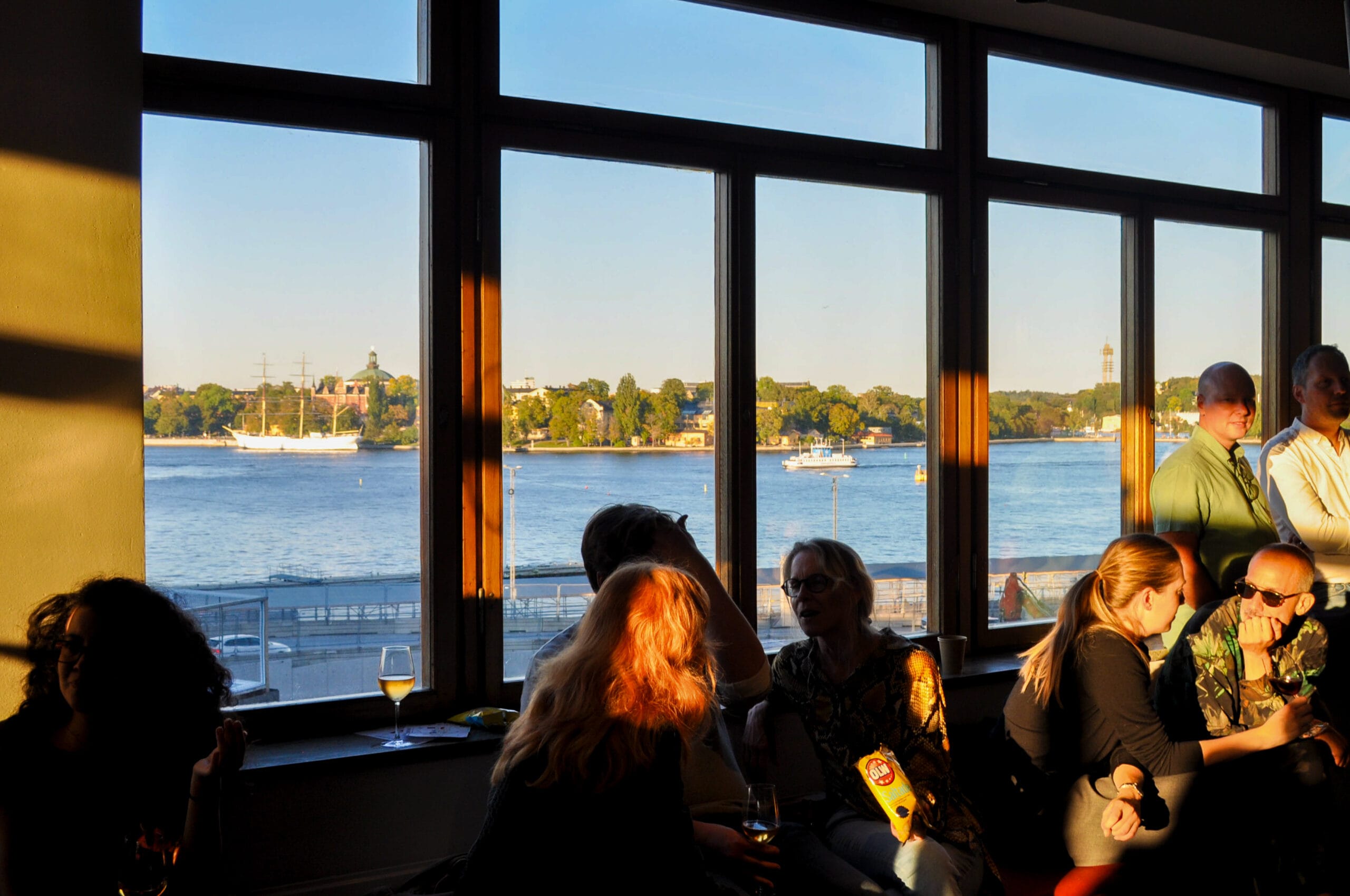
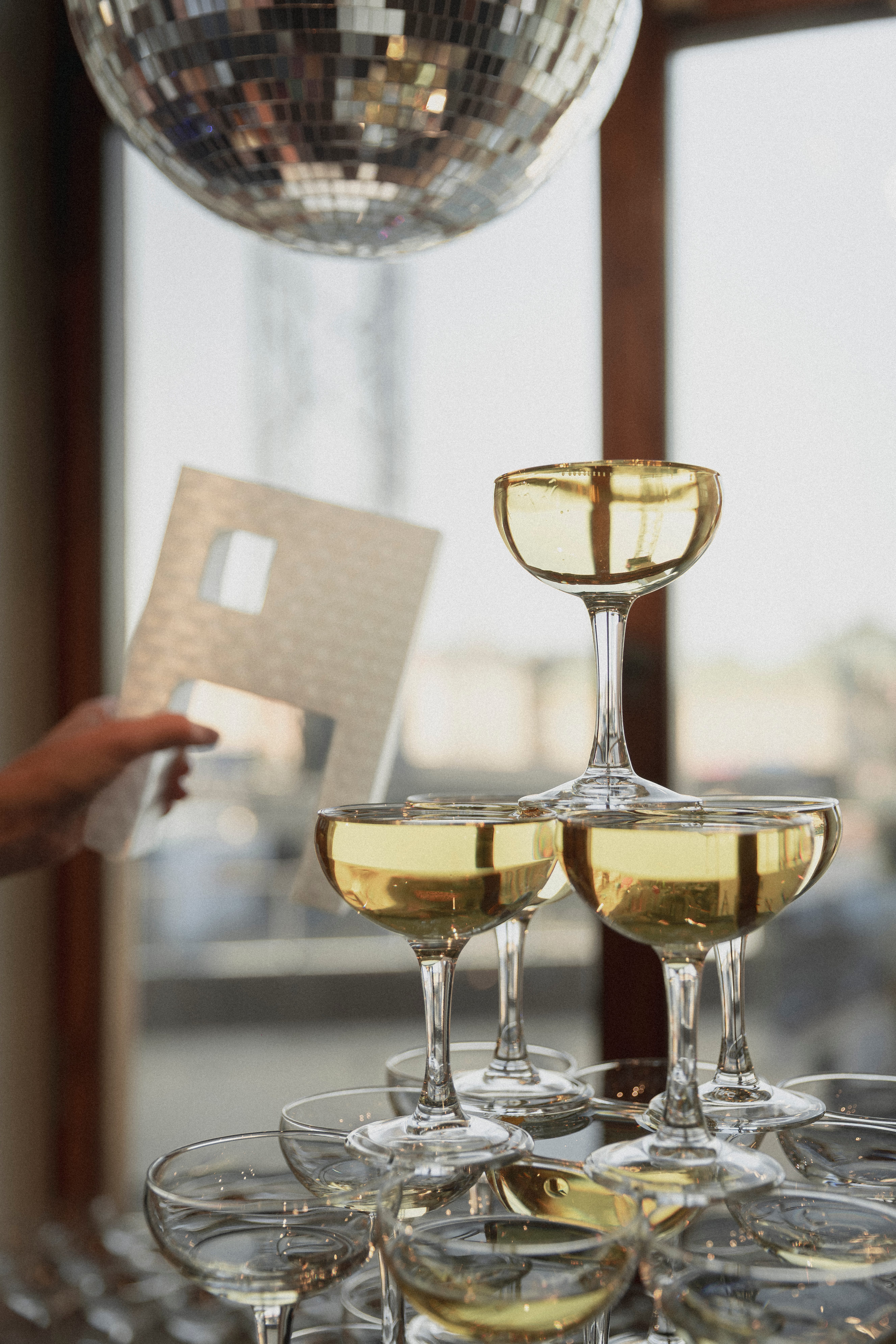
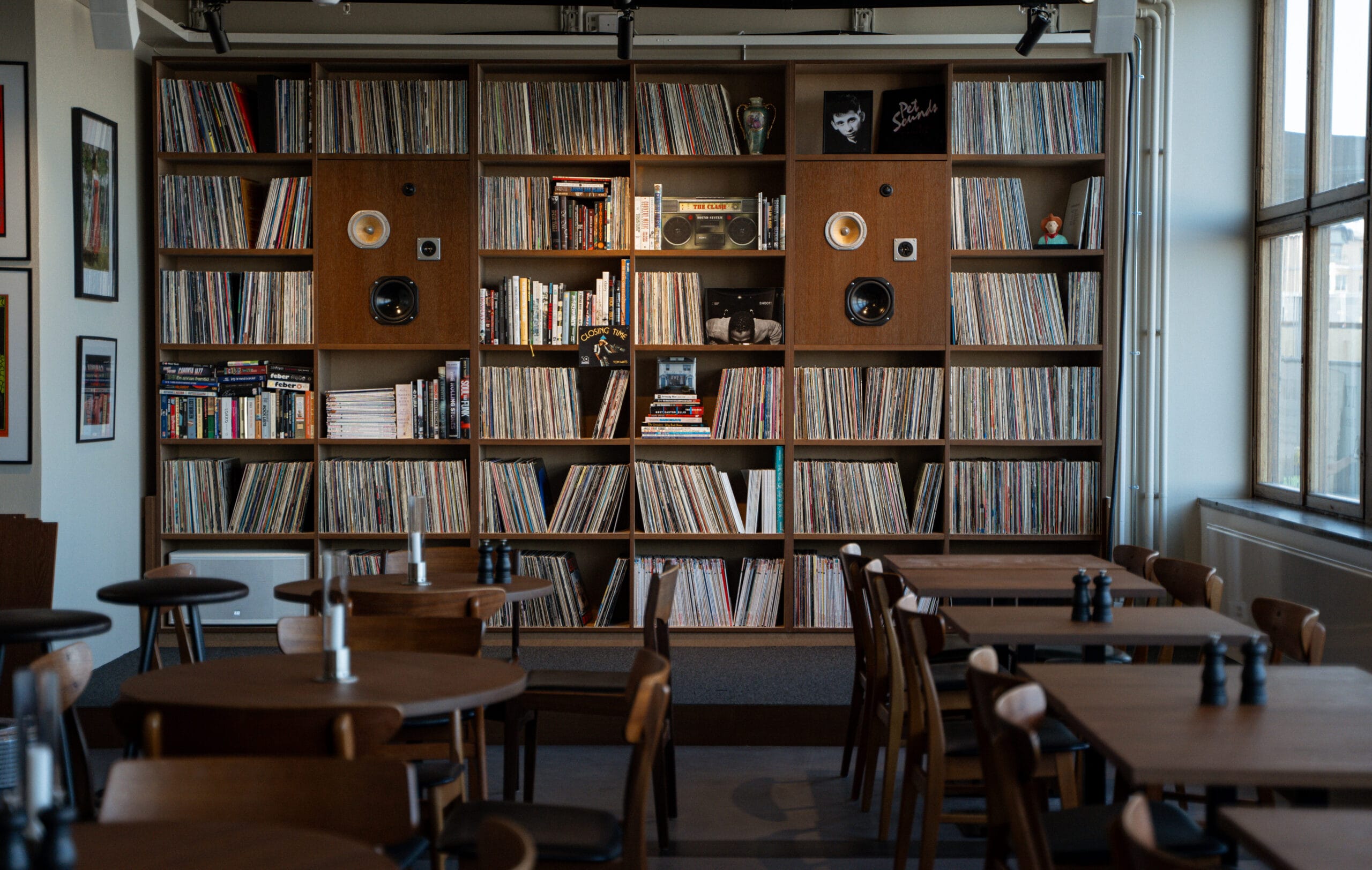
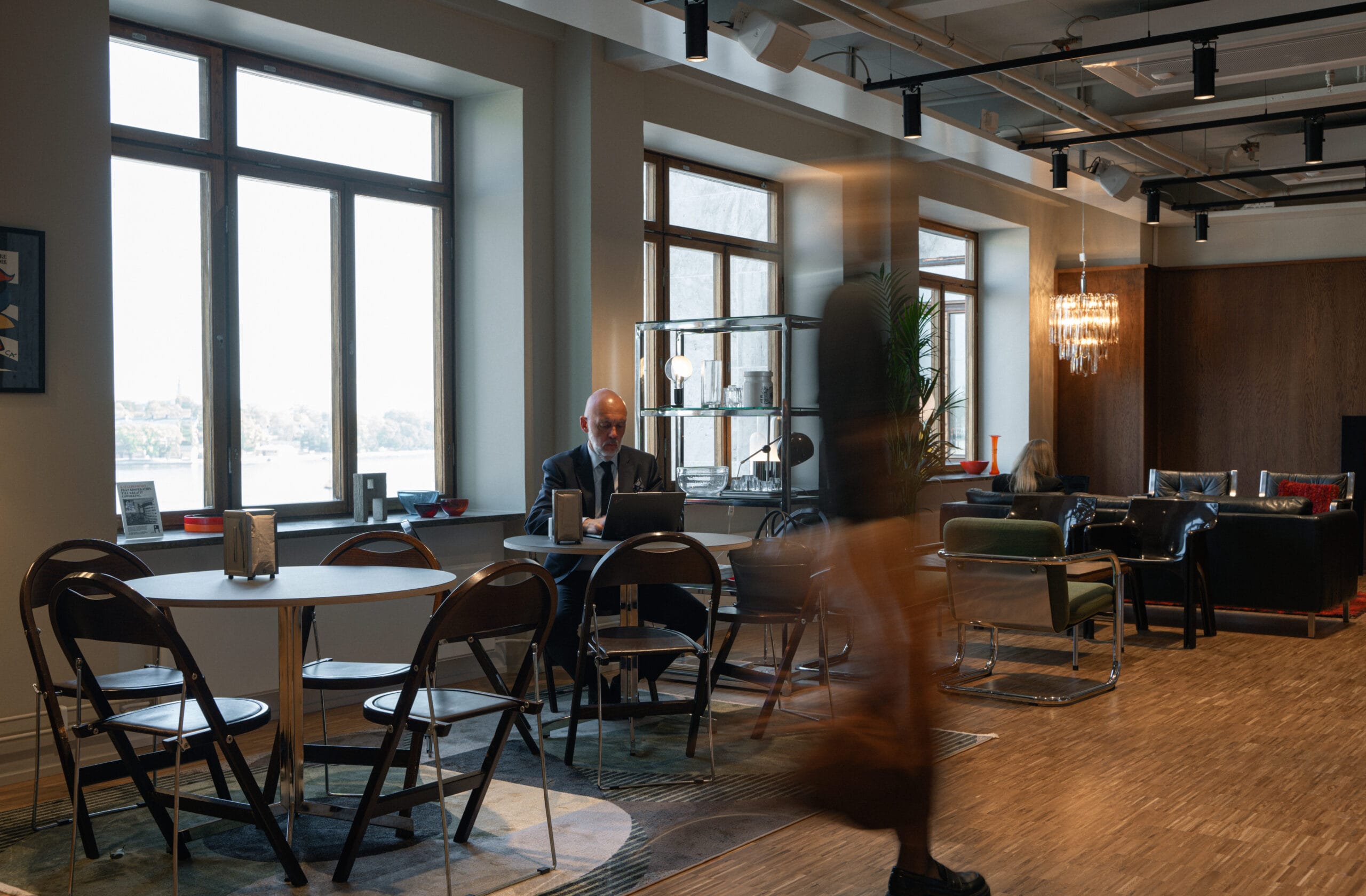
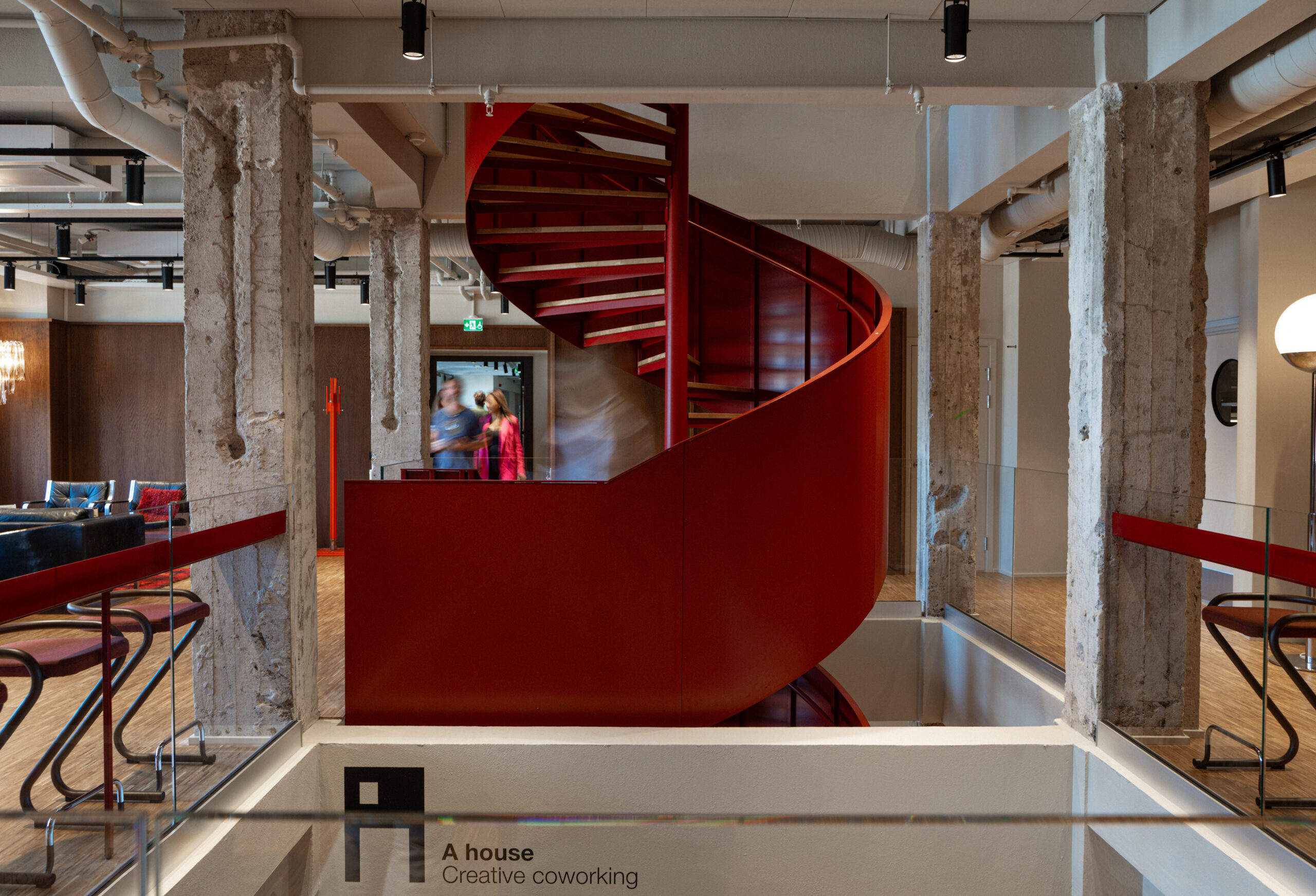
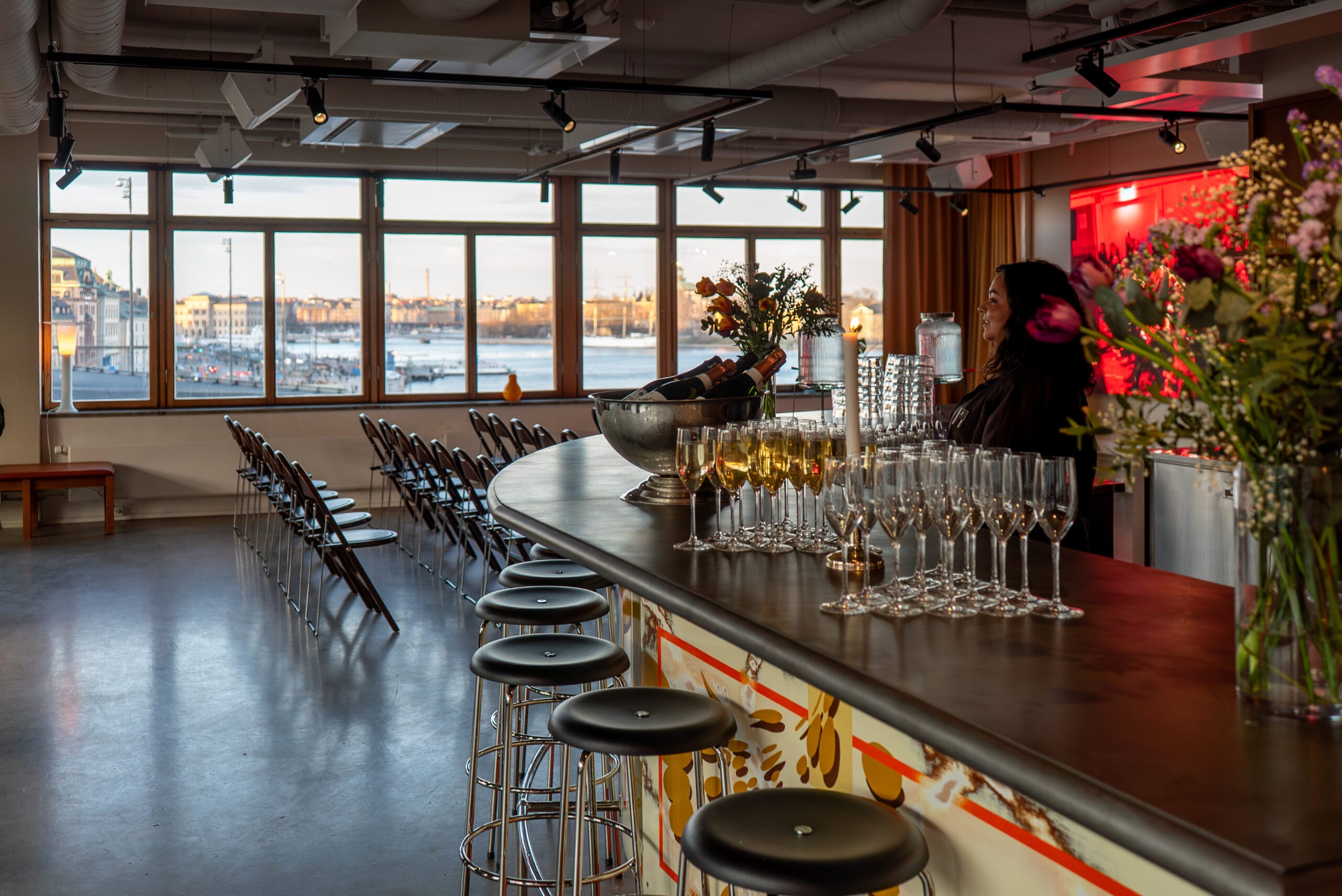
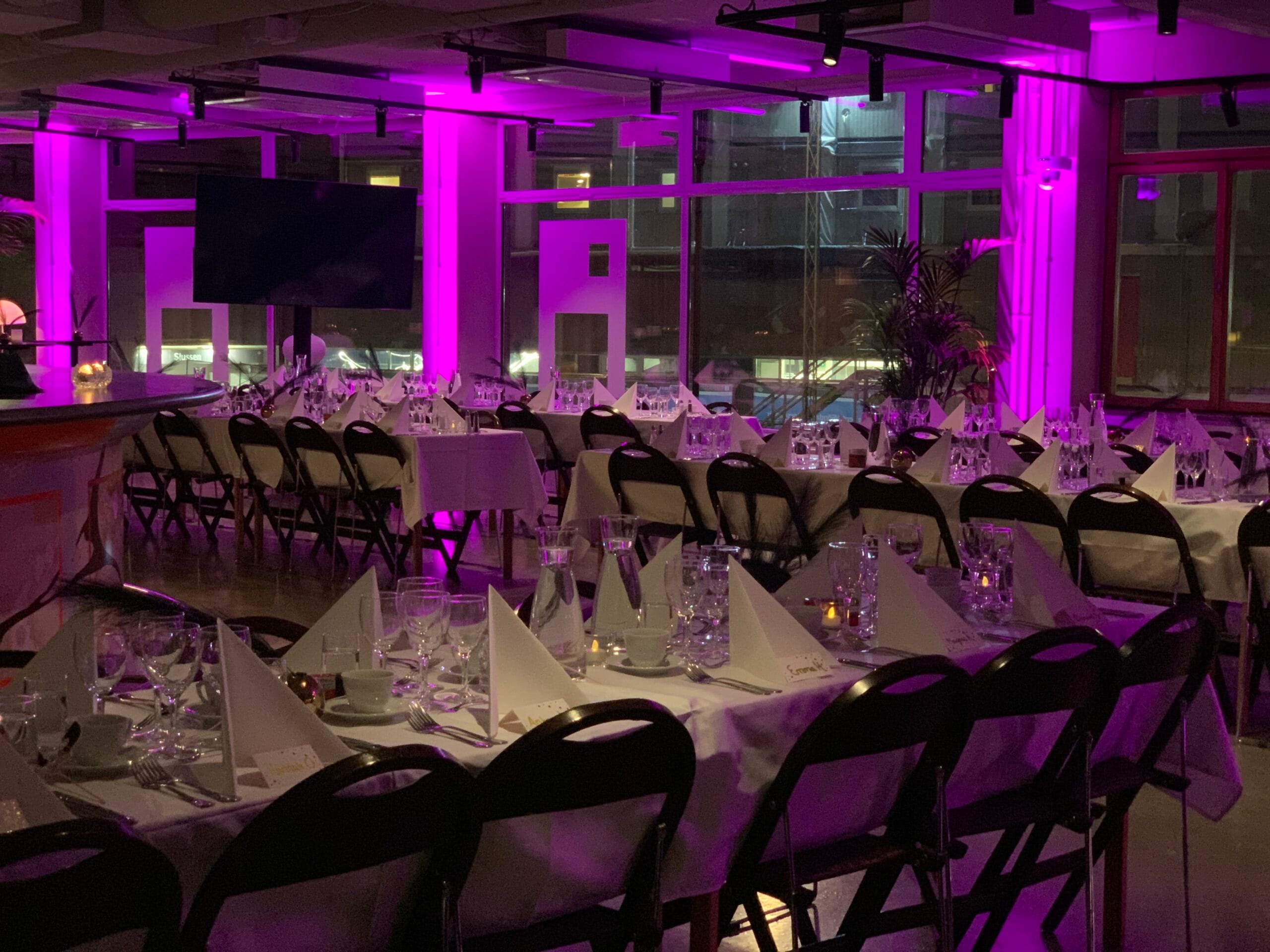
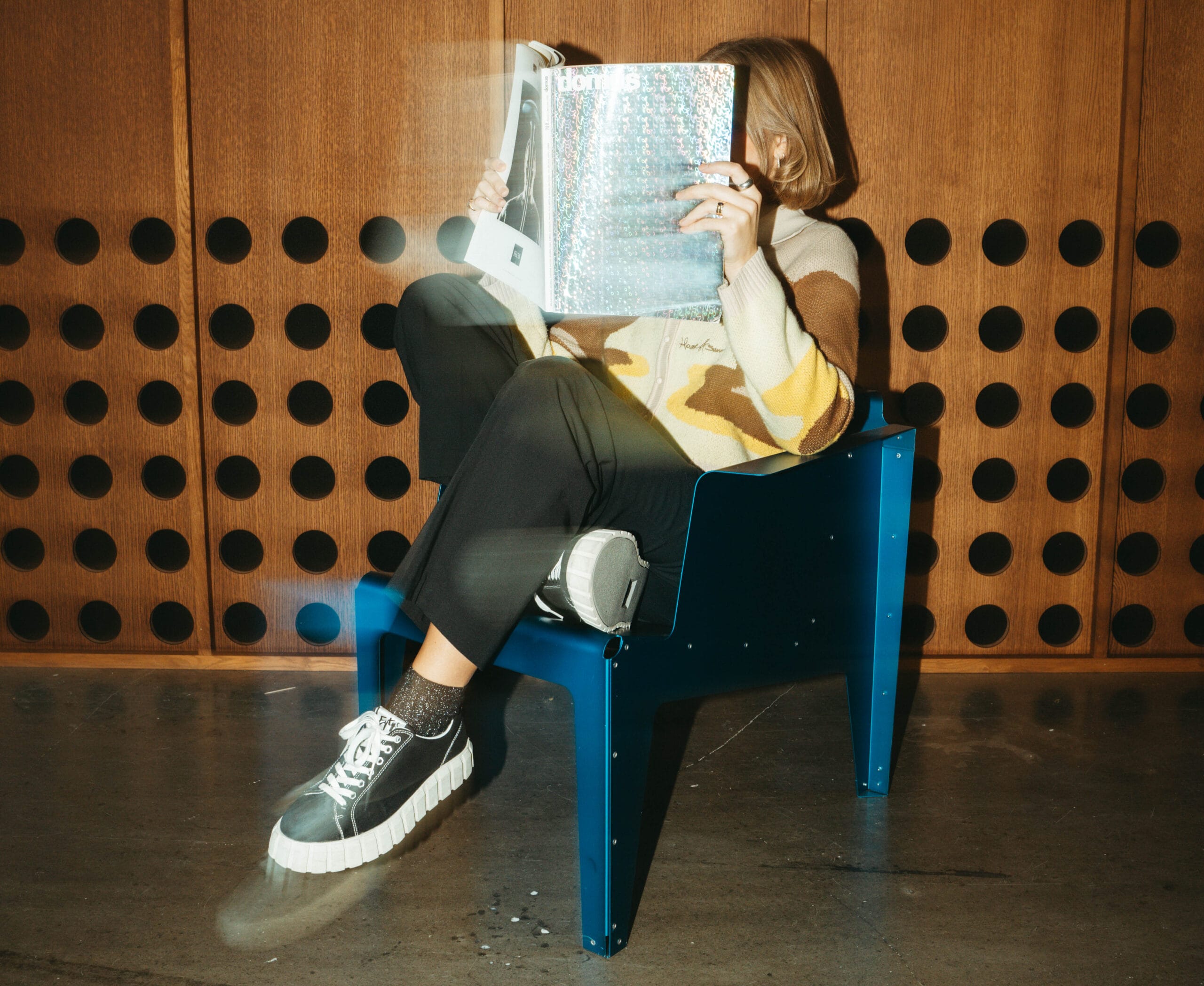
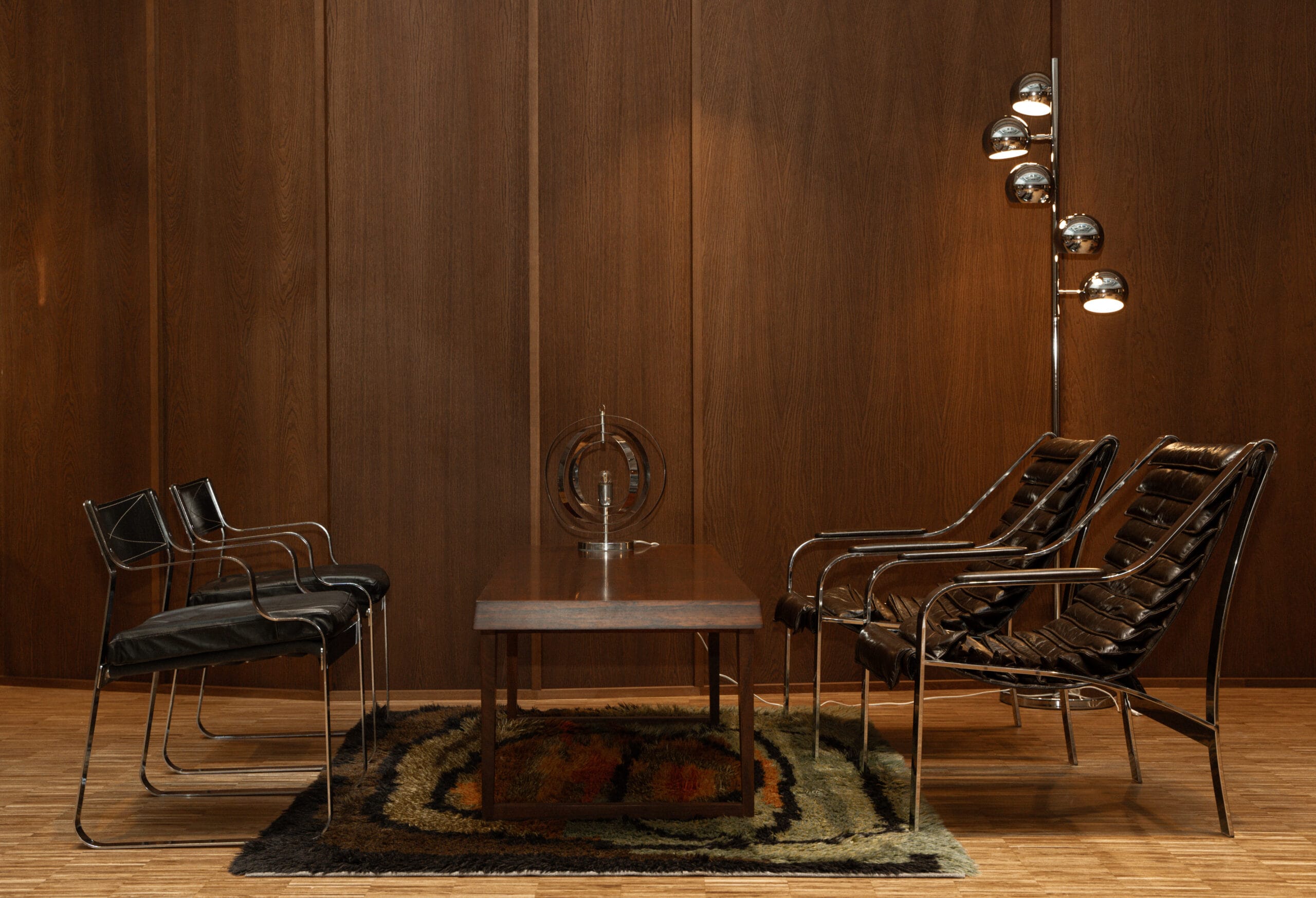
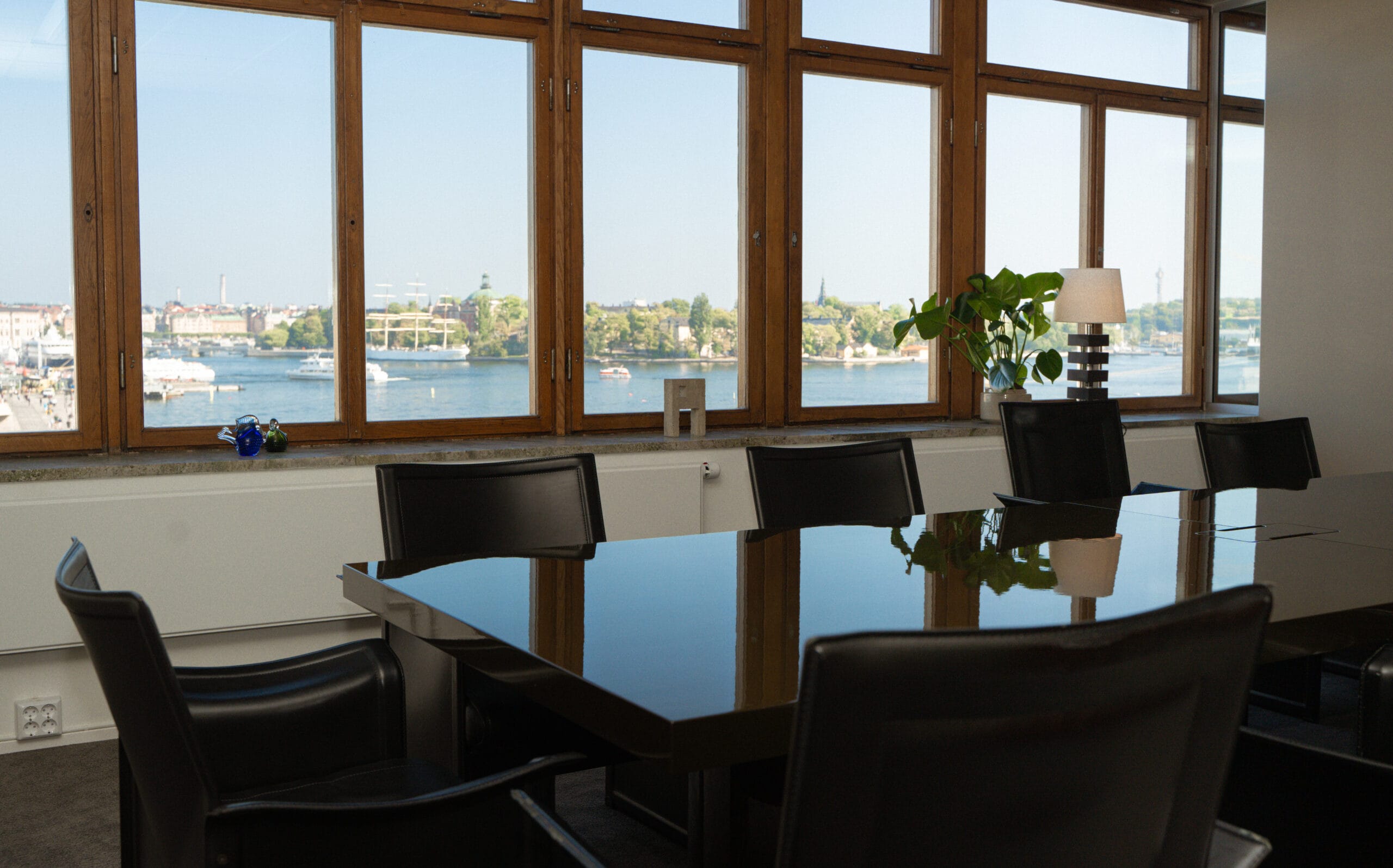
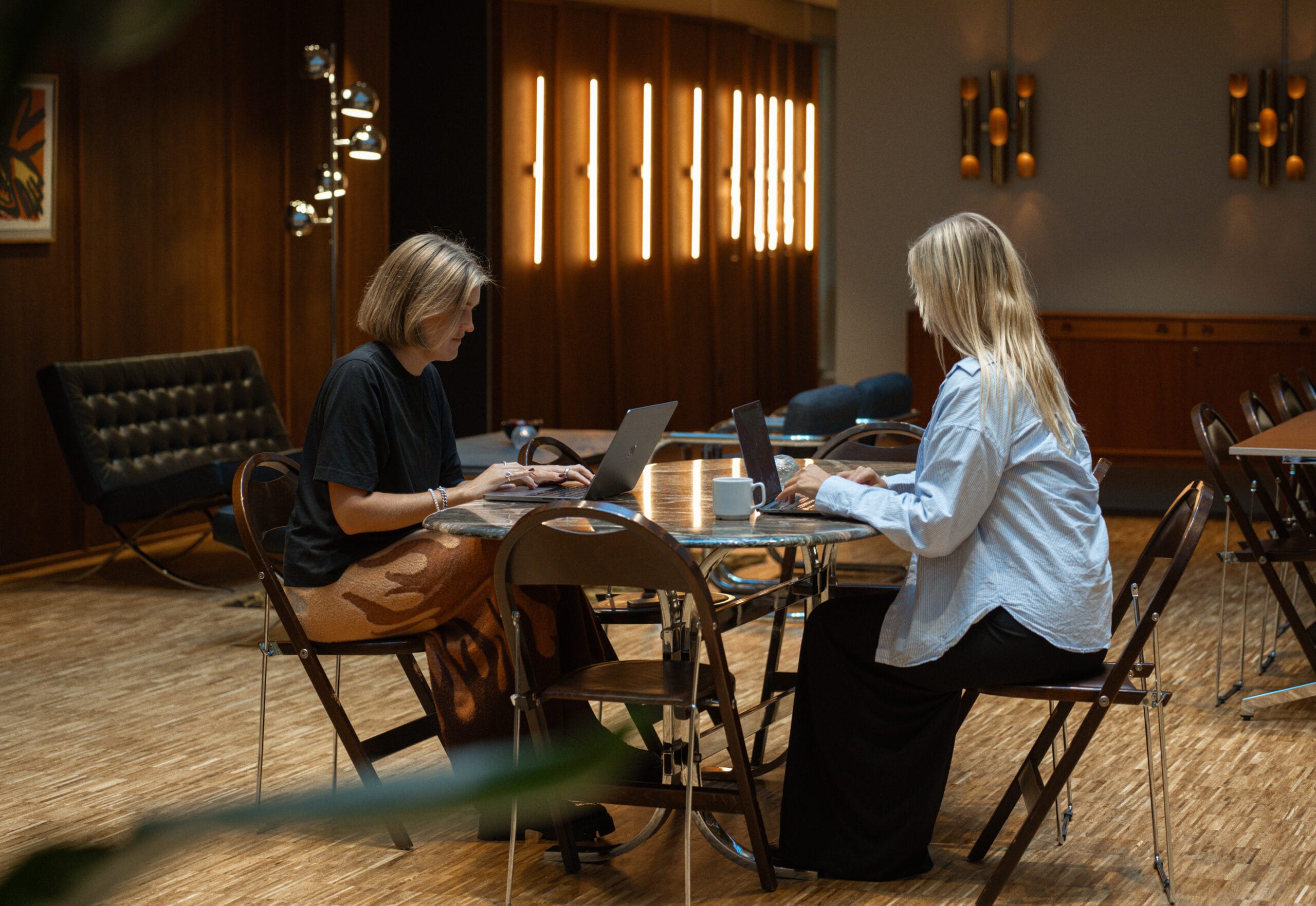
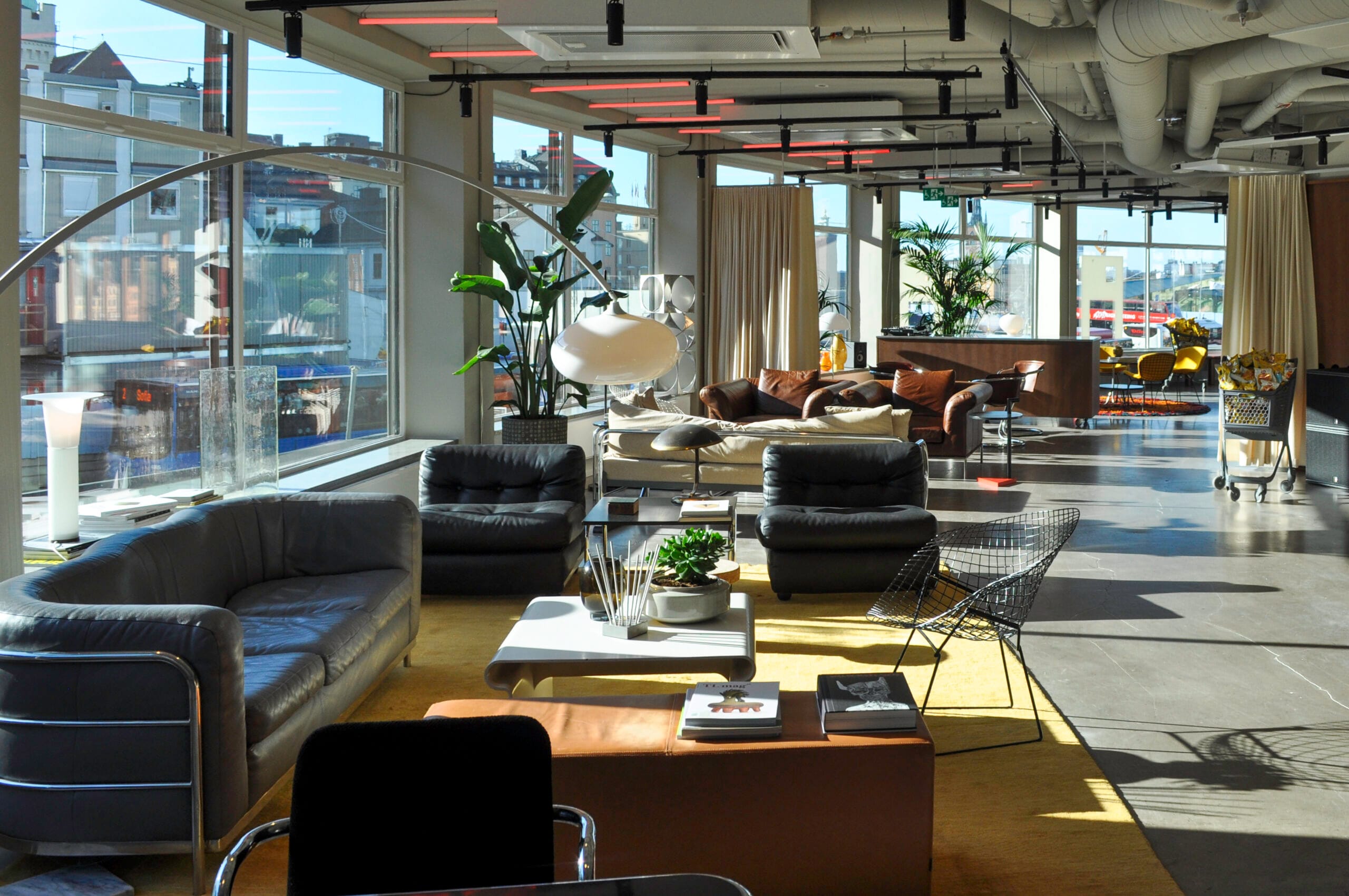
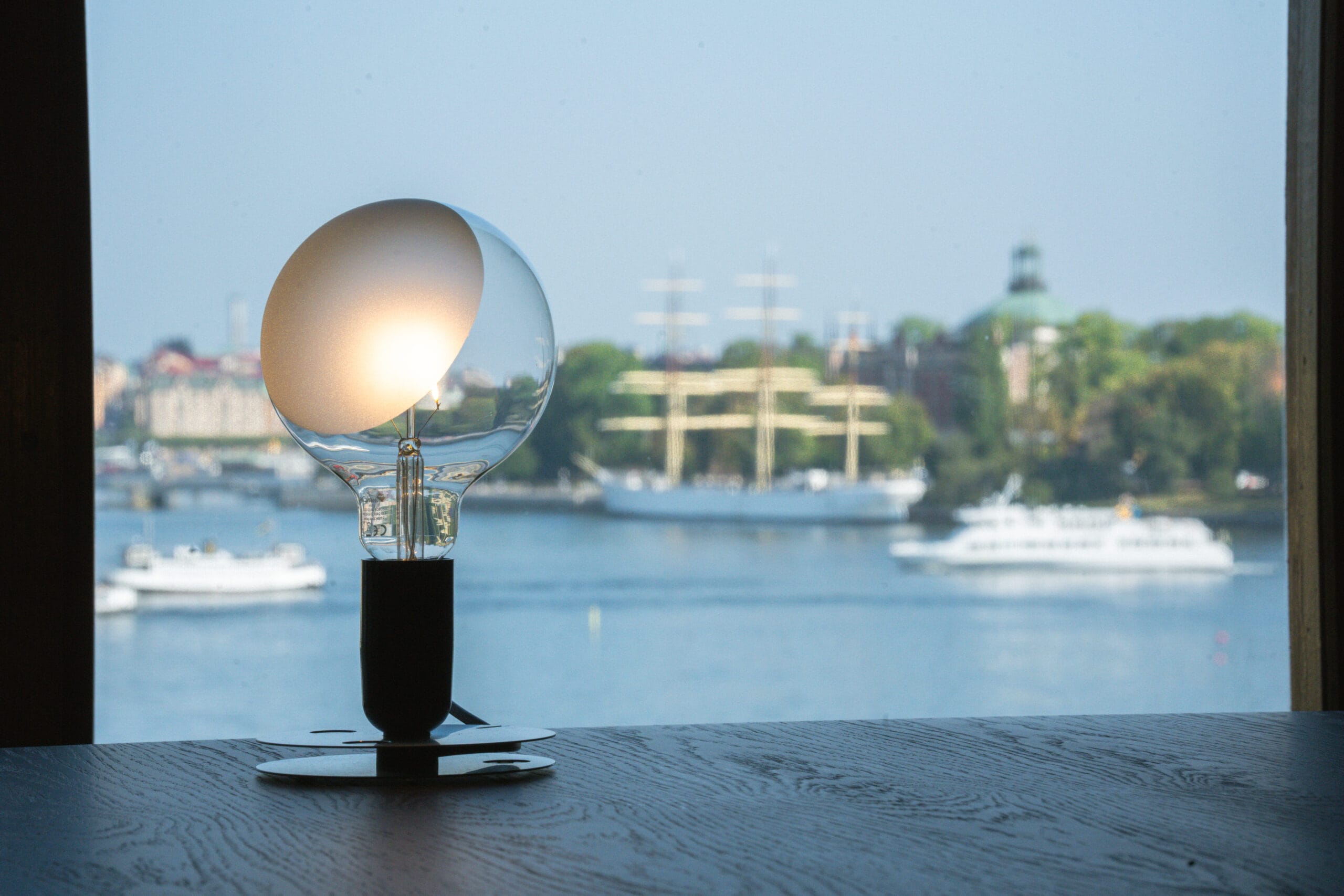
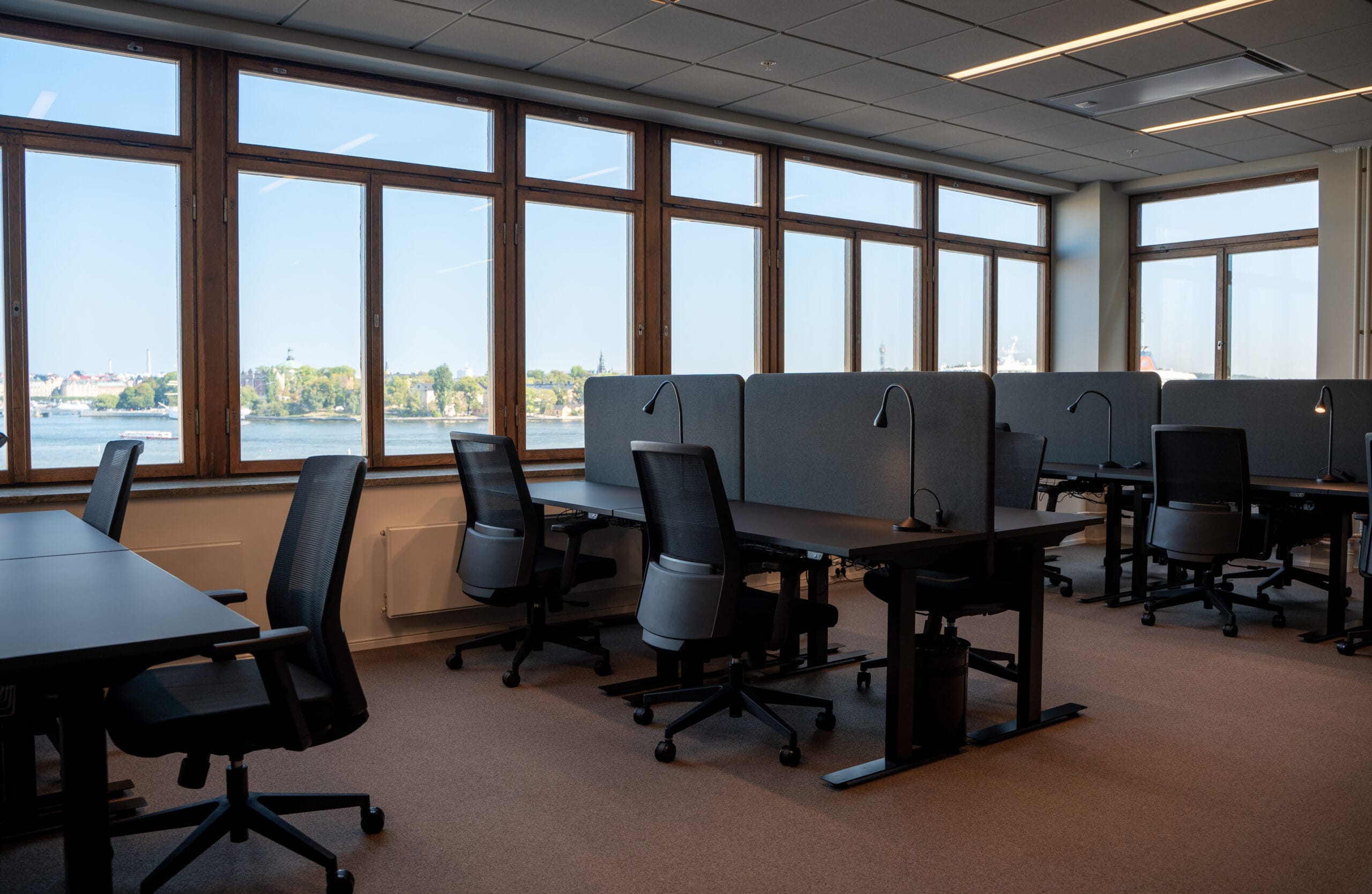
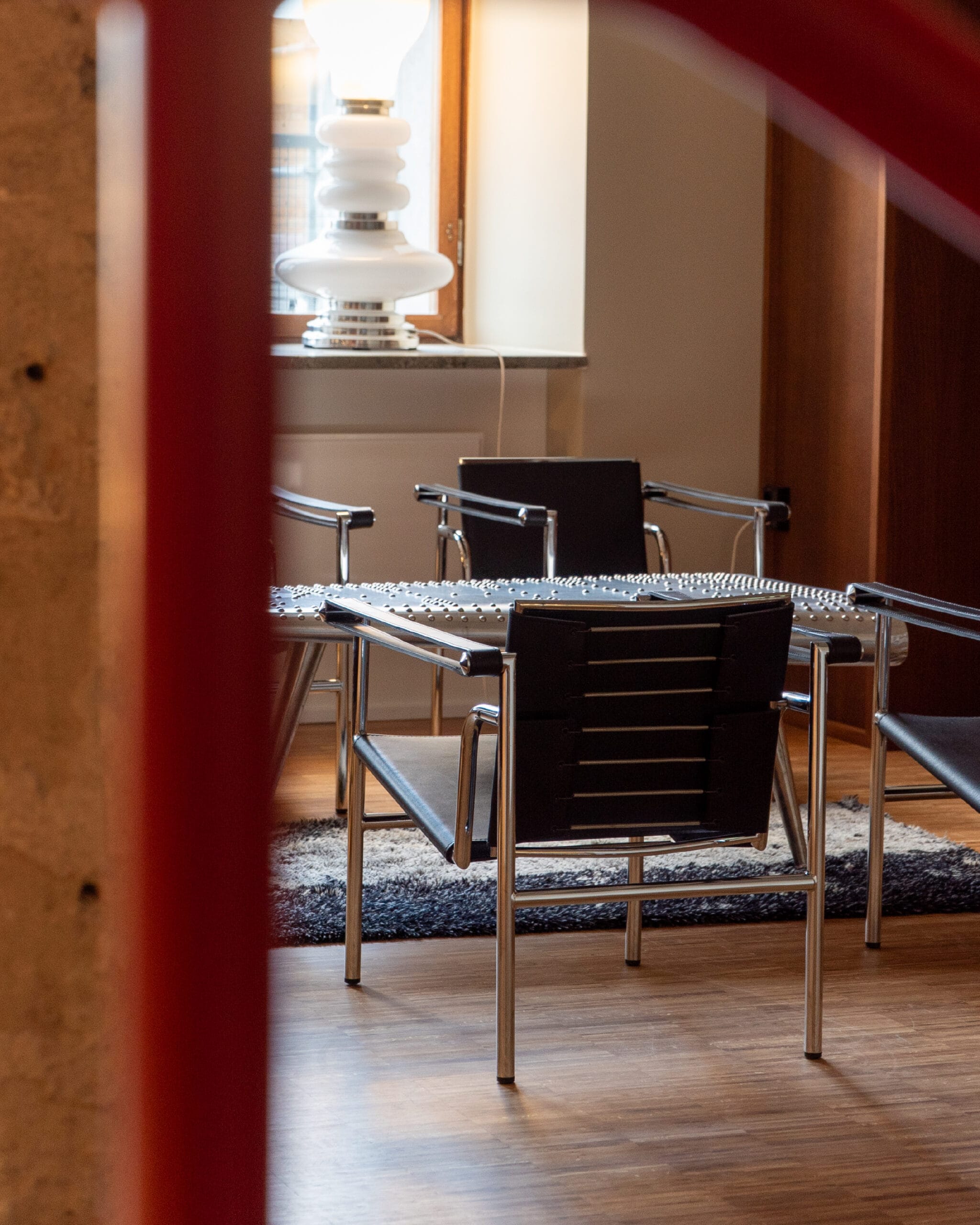
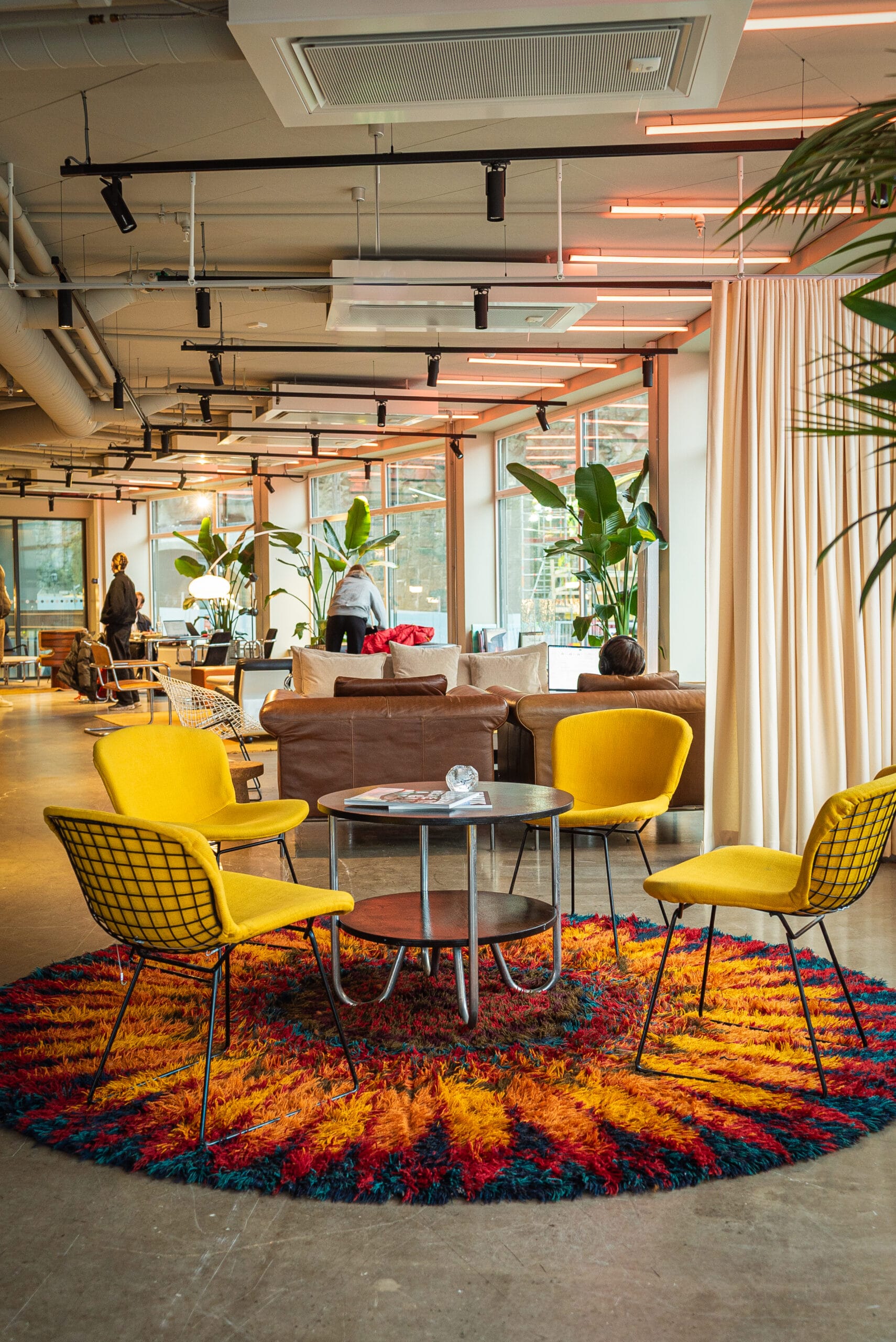
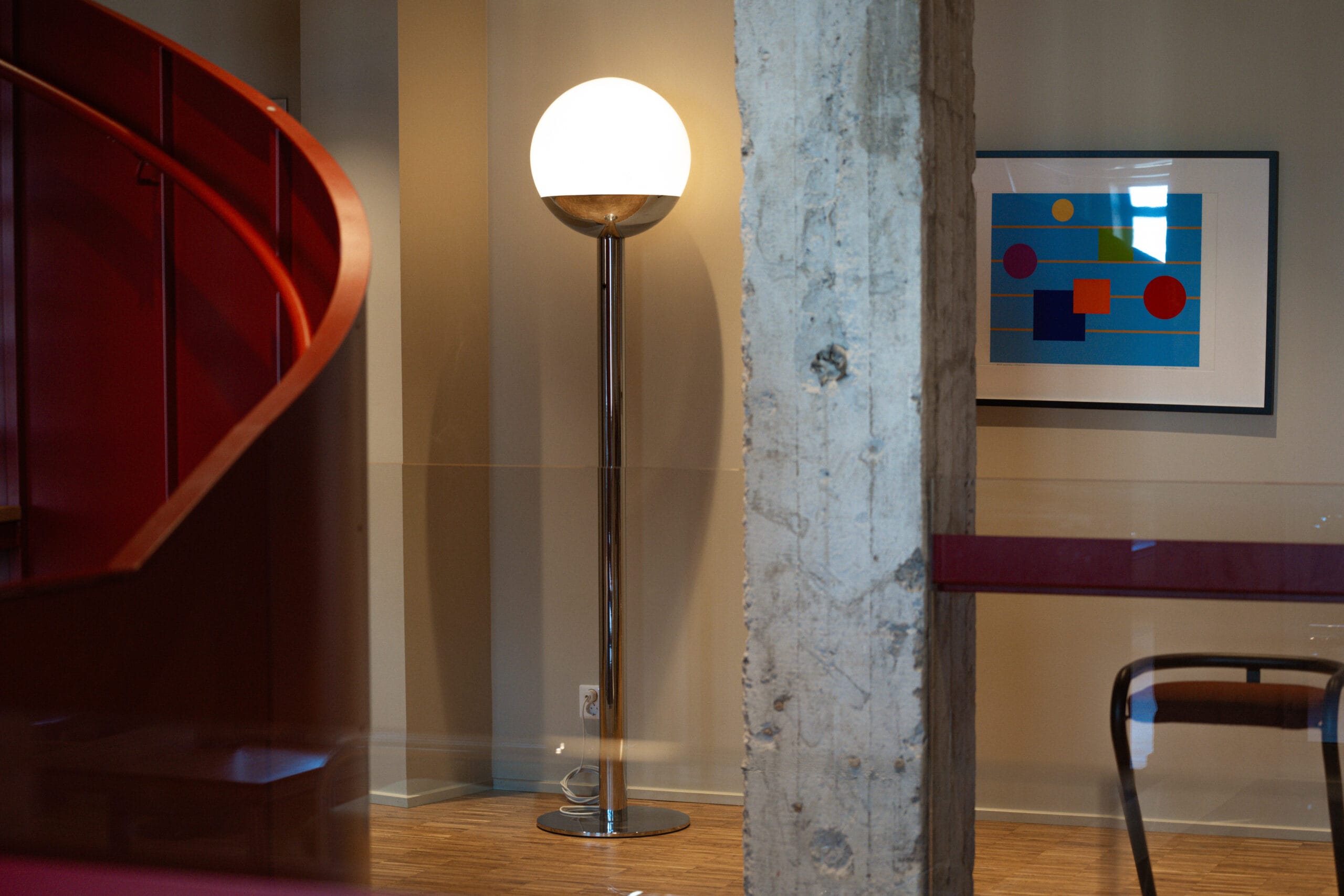
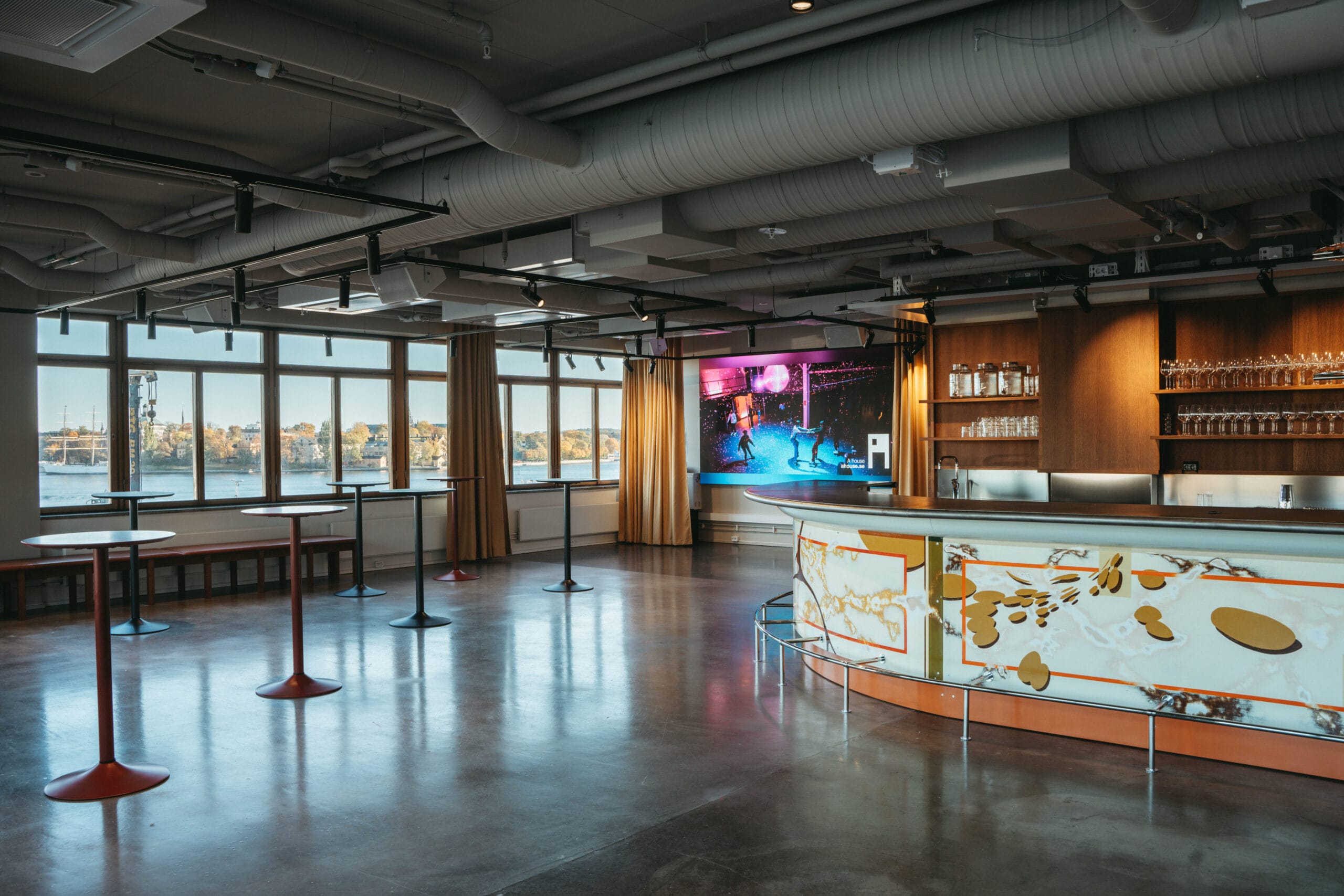
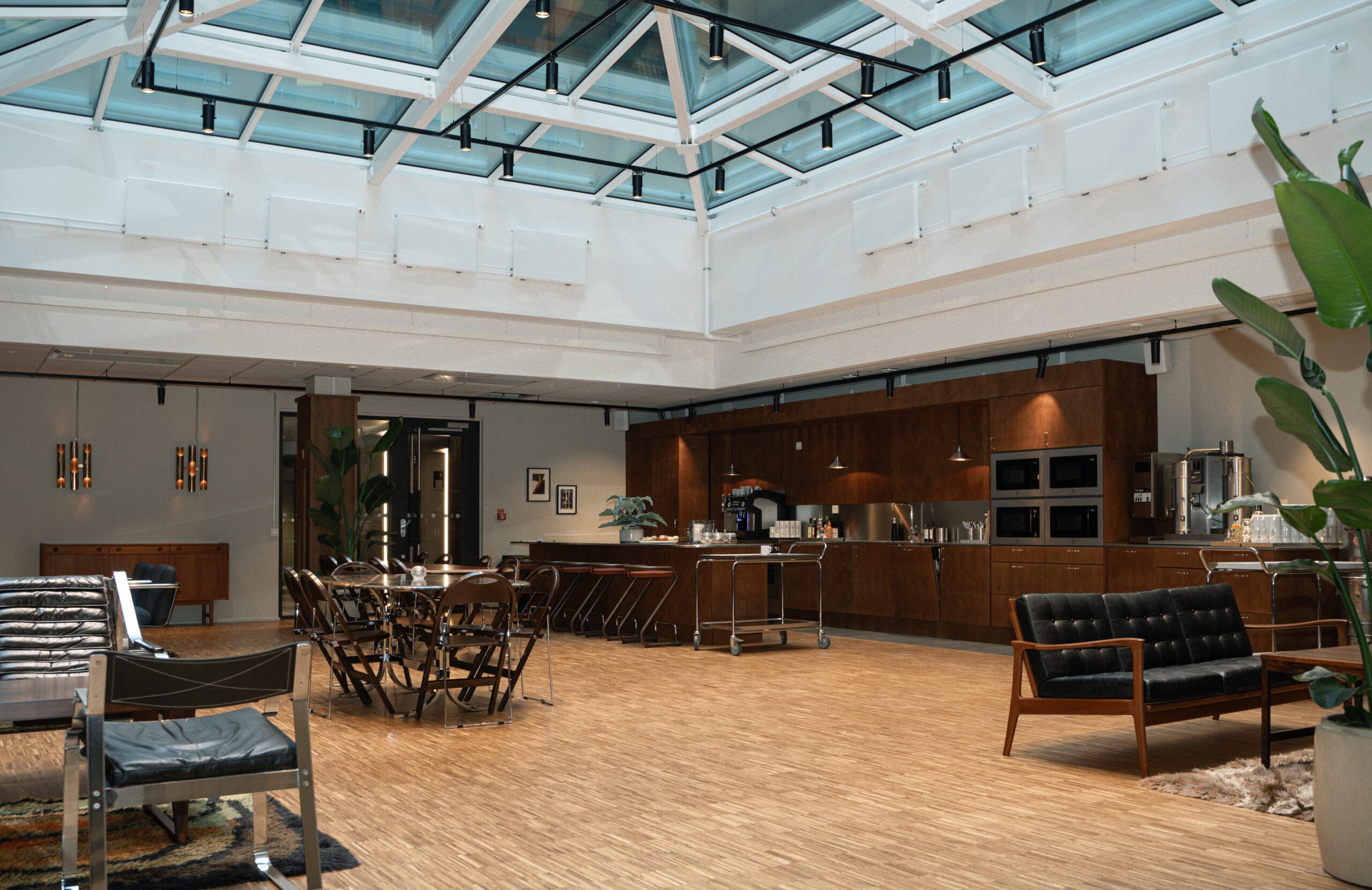
Functionalist avant-garde with the best views in town.
The Slussen area is in the middle of a major transformation. What was previously mostly a traffic hub will soon be a brand new city center where business will meet culture and nightlife. Katarinahuset, or KF-house as it is popularly known, was used as offices for the Cooperative Union for many decades. Today, the building is completely renovated and part of the area’s development.
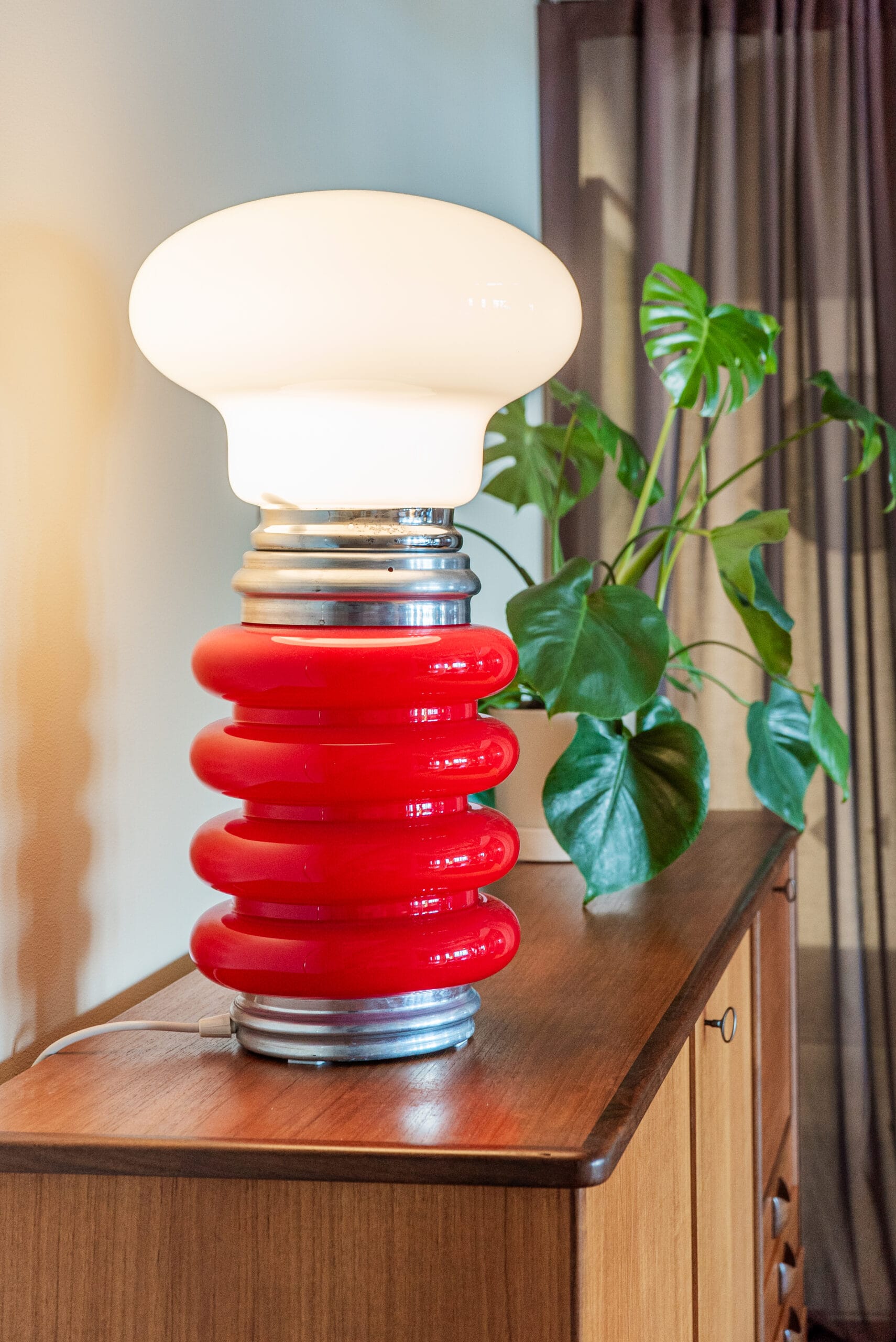
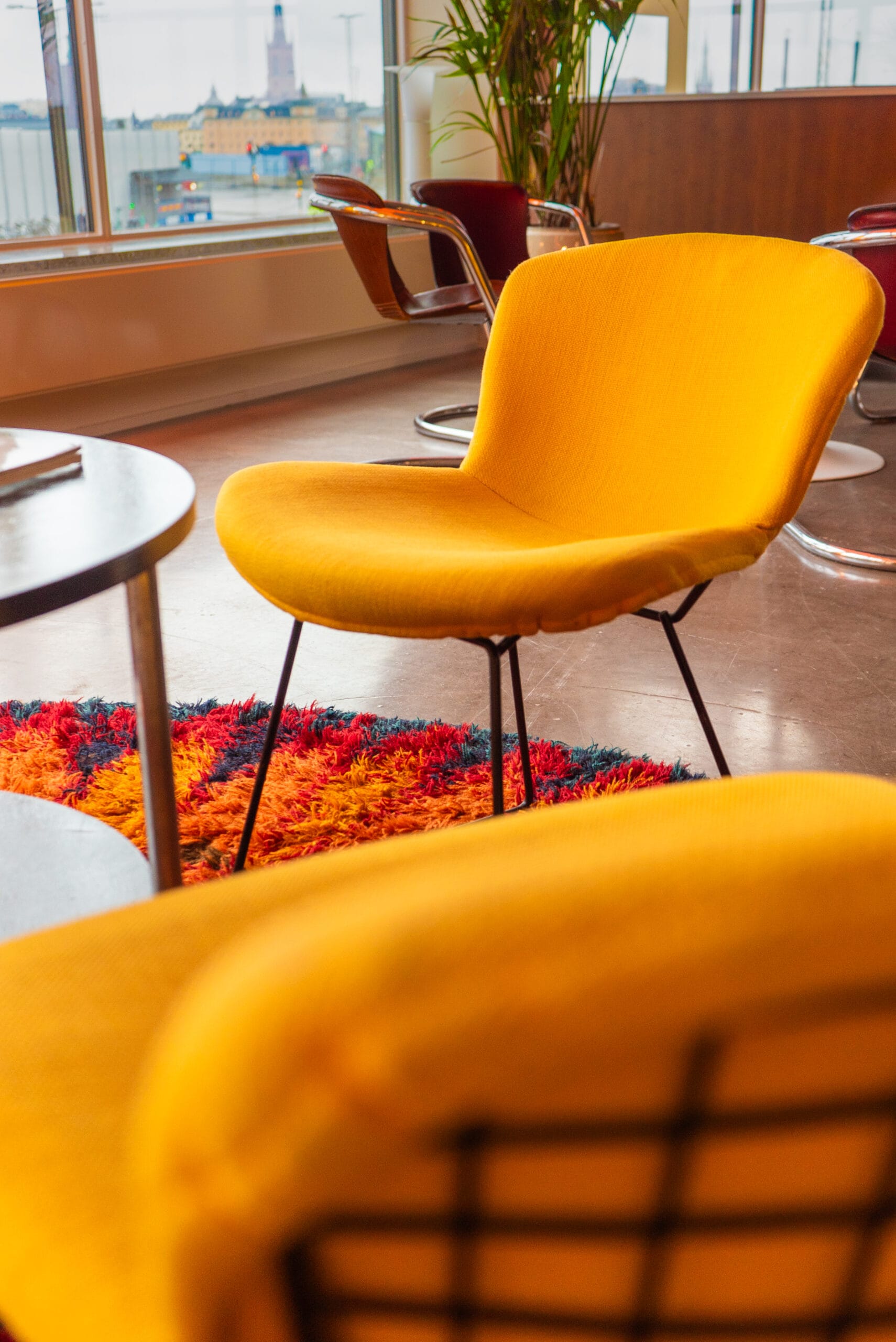
A House moved into three expansive floors in September 2024. Throughout the renovation, the building’s history set the tone. The guiding principles of functionalist avant-garde have resulted in a distinctive environment where functionalist furniture meets exposed pillars and raw concrete.
In our entrance you’ll find Pet Sounds Bar – the little brother of the legendary record store on Skånegatan. A long-awaited place for Stockholm’s music lovers with exciting wine lists, food from morning to evening, live performances and music quizzes. Both up-and-coming and established acts are booked here for intimate gigs. The building also houses the restaurants Gondolen, Klotet and Pelago.
A House Katarinahuset is much more than just coworking. We offer inspiring environments for creators to grow and find new collaborations and communities. The recipe consists of personality, new business opportunities, inspiration, learning, culture, food, and drink. Continuous development, contrasts, and unexpected experiences — as well as those intangible ingredients that our members believe make A House unique.
Facts about the house
A House Katarinahuset was designed by Gustaf Wickman on behalf of the Cooperative Union. The original building was constructed in 1909 but took its current form in the 1930s through an extensive waterfront extension. Today, the interior design is guided by the principles of functionalist avant-garde. A House occupies three spacious floors in Katarinahuset.
- Entrance floor with Pet Sounds wine and music bar
- Event space, 382 m²
- Coworking, 2 341 m²
- Lobby, 100 seats
- Workclub, 30 seats
- Studios, 28 units (14-115 m²)
- Larger offices, 9 (65-256 m²)
Hours front desk
Veckodagar 8:00 – 17:00 / Helger stängt
Medlemsaccess 24/7
Contact
Stadsgården 6, 116 45 Stockholm
katarinahuset@ahouse.se
+46 70 767 42 26
Membership
As a member of our community, you get access to activities that make it easy to find new collaborations. Breakfast, yoga, lectures, and after-work drinks are just a few examples. Choose between a lobby membership, a fixed spot in the workclub, or your own office space (studio). If you have other requests, we will tailor an arrangement that suits you. Most things can be arranged.
Event venues
Our destinations include a variety of event venues, each with its unique history and quirky interior design concepts. They’ve hosted everything from fashion shows and concerts to art openings, birthday parties and conferences. We are curious about what will happen next.
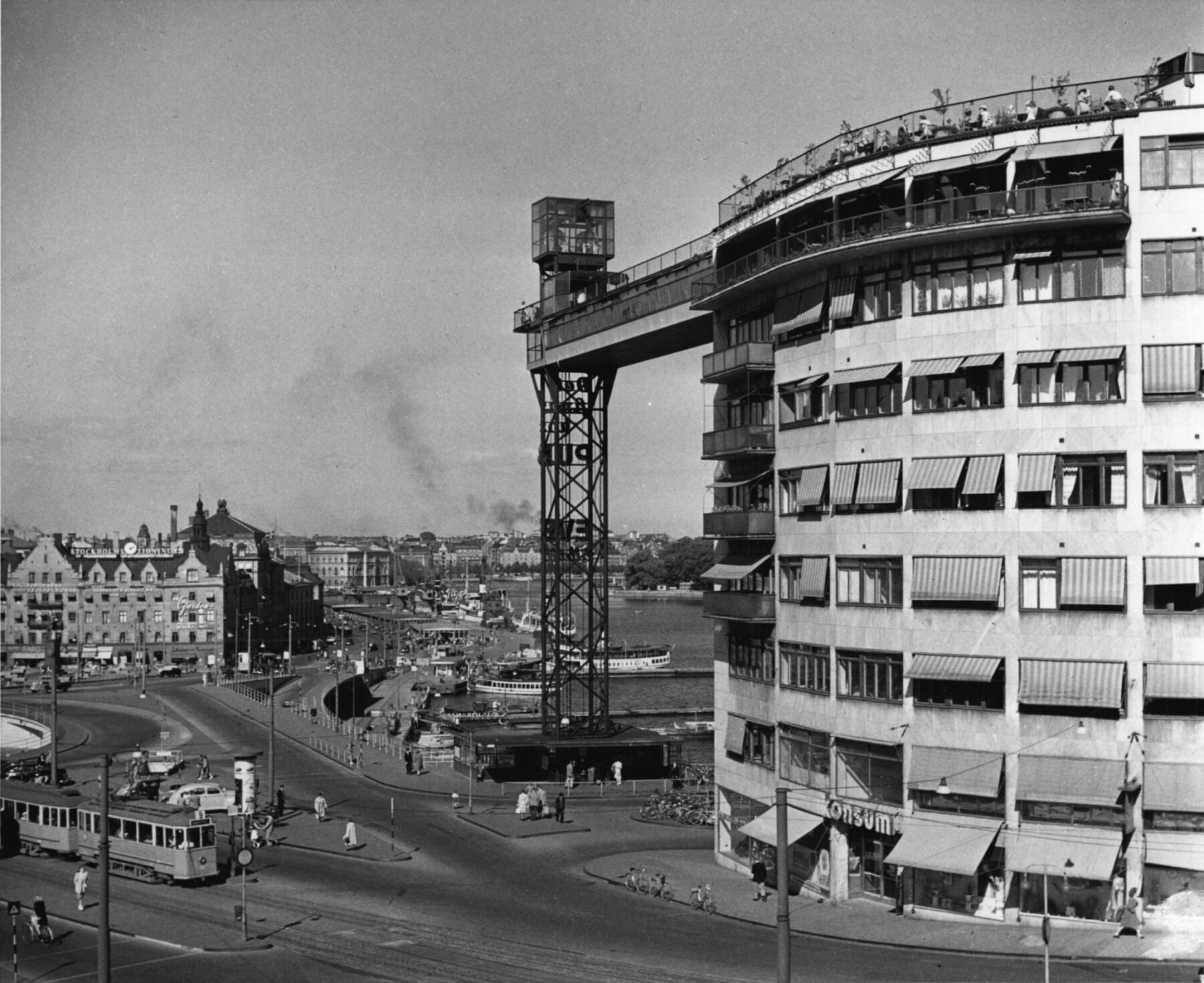
From cooperation to creative coworking
Residential buildings in a poor harbor district, KF’s main building and the hub of Stockholm’s new commercial heart. Katarinahuset is a child of its time.
Do you want to learn more about our business and get the latest news about our destinations?