Katarinahuset, 2026-10-16
”An hour of scrolling can never replace three conscious breaths.”
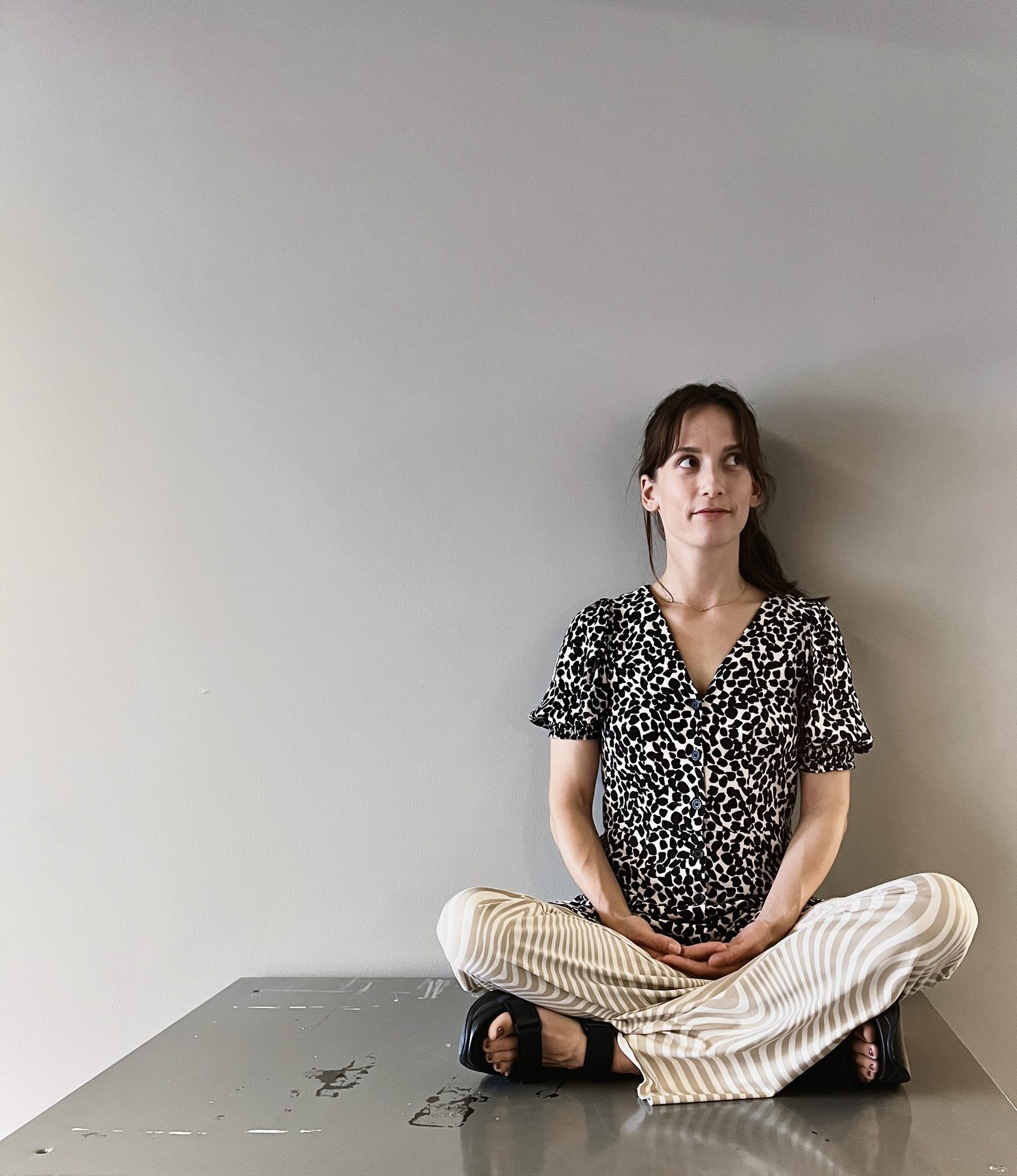
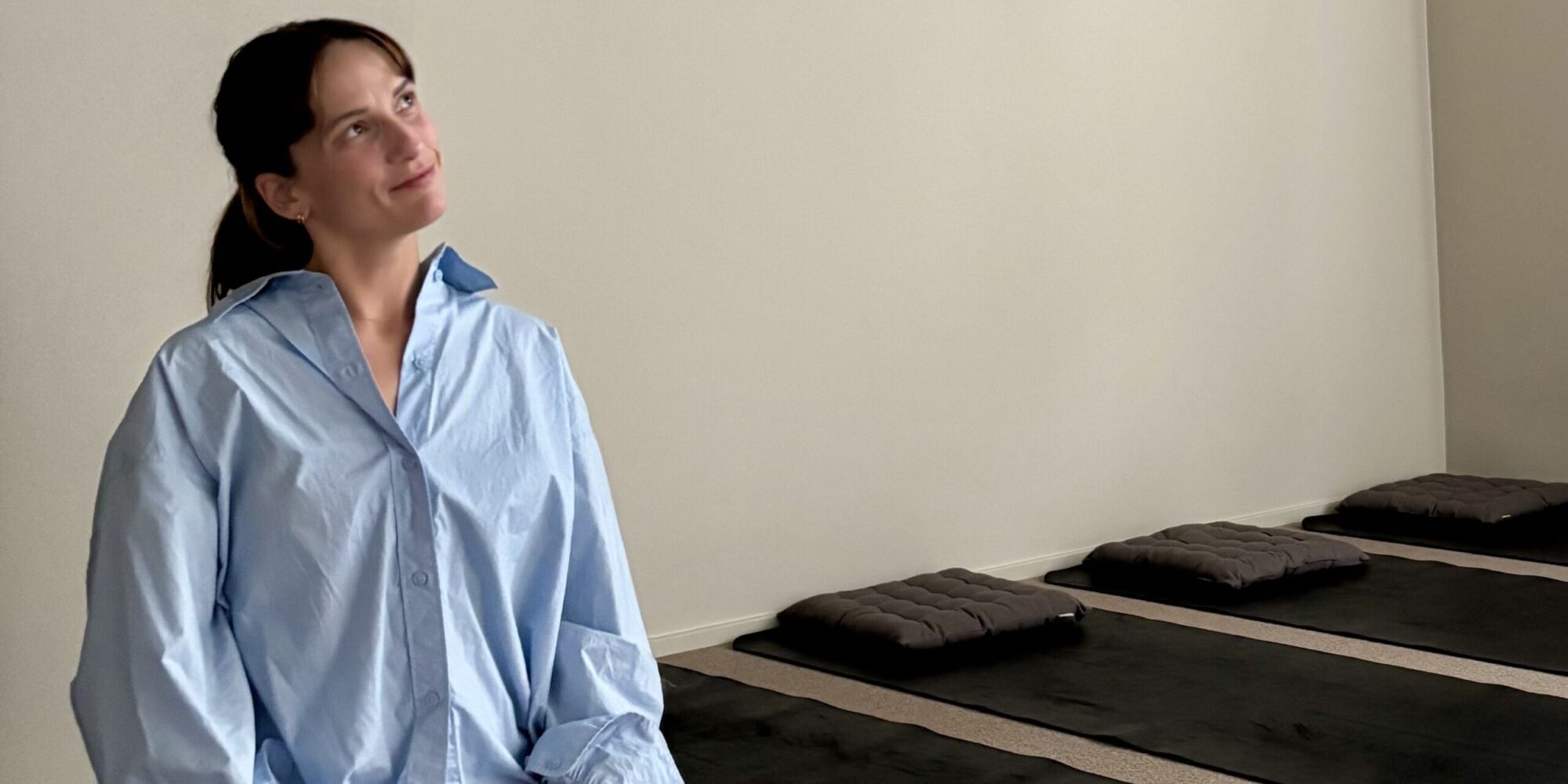
INTERVIEW WITH CAROLINE ERFASS, YOUR GUIDE TO MINDFULNESS
Caroline Erfass has been leading guided meditation sessions at A House for several years, helping our members find moments of calm in busy working days. With Wellness Week underway, we thought it was the perfect opportunity to get to know Caroline a little better and explore her approach to mindfulness, the importance of recovery and how small moments of awareness can make a difference in our everyday lives.
Hi Caroline! Could you tell us a little about yourself and how you work with wellness today?
– I believe that, in today’s society, we need to become more aware of how we can recover and why doing so is more important than ever. We need to be able to slow down in order to enjoy the present moment, build deep relationships and experience a sense of meaning in our lives. That’s why I visit companies and create opportunities for people to pause and be present. My hope is that these moments spark a desire to explore how mindfulness can enrich their lives. I always vary my guided meditations so that participants can build a broad repertoire of different ways to practise being present. I also teach mindfulness courses.
The reason I started practising mindfulness in the first place wasn’t because I was good at it or because it came naturally to me. Quite the opposite! I needed mindfulness because I was terrible at being present, spending virtually all my waking hours thinking about either the past or the future. I was never in the present moment.
Today, wellness is largely about self-compassion for me. Many of us are incredibly hard on ourselves, and our bodies can actually interpret that as a threat. A big part of mindfulness is learning to be kinder to ourselves.
We live in a working world where many of us are constantly connected and switching between tasks. What does this kind of constant stimulation do to our nervous system?
– When we’re constantly exposed to notifications, emails and distractions, our brains become overloaded and struggle to prioritise. The moment a notification pings, our attention is pulled away, we lose focus and, in the worst cases, have to start all over again. Every interruption triggers a micro stress response, activating the sympathetic nervous system and keeping our bodies in a constant state of alertness. At the same time, these small digital rewards stimulate the brain’s dopamine system, training our nervous systems to constantly anticipate new stimulation and making it harder to wind down.
Studies have shown that we don’t even need to receive a notification. Simply having our phones lying on a table can distract us and make us wonder whether something might be happening on them.
Turning off notifications and similar distractions is a great start, but the problem is that our brains also send us their own notifications. We might think, “I wonder if anyone has commented on my LinkedIn post yet” or “I wonder if that person has replied to my email.” These internal notifications can be difficult to ignore because we struggle to manage the powerful effect of anticipation.
Mindfulness works like strength training for the brain. It helps us recognise when our attention automatically drifts away from where we’ve chosen to focus, allowing us to consciously bring it back. We become better at concentrating on one task at a time, rather than multitasking under the illusion that we’re being efficient by responding to everything immediately.
Many people think meditation requires 20–30 minutes in a quiet room. How can we make mindfulness more accessible during a regular working day?
– That’s a common misconception! In fact, it’s important to let go of high expectations, including the idea that mindfulness has to take a lot of time. Sitting down to meditate in a lunchroom or lobby isn’t exactly part of our working culture. Some workplaces have quiet rooms that can be used, but my best little tip is simply to use the bathroom. Five minutes of meditation can make a real difference, and even one or two minutes is better than nothing. There are plenty of apps and guided meditations on Spotify if you need a little help getting started. Most people know where to find guided relaxation these days.
The challenge is often that we mistakenly believe we don’t have permission from those around us to take a break. This is just as much about workplace culture as it is about mindfulness. We worry about what others might think if we don’t appear to be giving our maximum effort every single minute. In doing so, we take a short-term view and overlook how much more capable we can be when we pause and give our brains a chance to reset before moving on to the next task.
At A House, you have the luxury of joining a guided meditation session every week, so there are plenty of opportunities to calm your nervous system and get that invaluable recovery time. No previous experience is needed, you can come just as you are, no change of clothes required, and it takes only 15 minutes out of your day.
How can you tell when your nervous system needs more recovery? What signs do we tend to miss or ignore?
– It varies from person to person. Some people are better at recognising their body’s signals, while others need much stronger signals before they realise something is wrong. Since the nervous system regulates everything from digestion to emotional regulation, stress can manifest in many different ways that we often mistake for tiredness or simply having a bad day. Signs that your body is crying out for recovery can include digestive problems, muscle tension, sensitivity to noise, headaches, forgetfulness and fatigue. Stress can also show up emotionally, for example by making you more irritable or easily triggered by small things. One particularly common issue today is finding it difficult to unwind without screens, which can also be a sign that your nervous system is running on overdrive.
What is the difference between genuinely recovering and simply taking a break from work by, for example, scrolling on your phone?
– The difference is enormous. What the brain most often needs a break from is information, and screens bombard it with impressions and stimuli without us even realising it. In today’s society, we’re so constantly exposed to stimulation that we can barely stand doing nothing. Our brains have become so accustomed to operating at full speed. Taking three conscious breaths and tuning into your body provides a depth of recovery that an hour of scrolling can never replace.
If you could give someone who feels stressed and overstimulated at work one simple mindfulness exercise to do every day, what would you recommend and why?
– I would recommend taking short mindfulness micro-breaks throughout the working day because they’re accessible and easy to fit into everyday life. The exercises themselves aren’t difficult and don’t take long. The real challenge is remembering to pause and actually making the time to do it. One simple technique is to count your breaths. You could take as few as ten slightly deeper breaths, or simply remember to take one conscious breath and let your shoulders drop as you exhale, a few times throughout the day.
Another tip is to bring your awareness to your feet, wiggle your toes a little and simply focus on that part of your body for a moment. For some people, checking in with their senses works well. Ask yourself: What can I see? What can I hear? How do my clothes feel against my skin? Can I smell anything?
You can also try doing everything a little more slowly. Eat more slowly, type more slowly, walk more slowly. It creates awareness and helps you become more present, giving your mind the opportunity to slow down as well.